The science of hope: a father’s race against the irreversible
Written by Shahabuddin Ghias
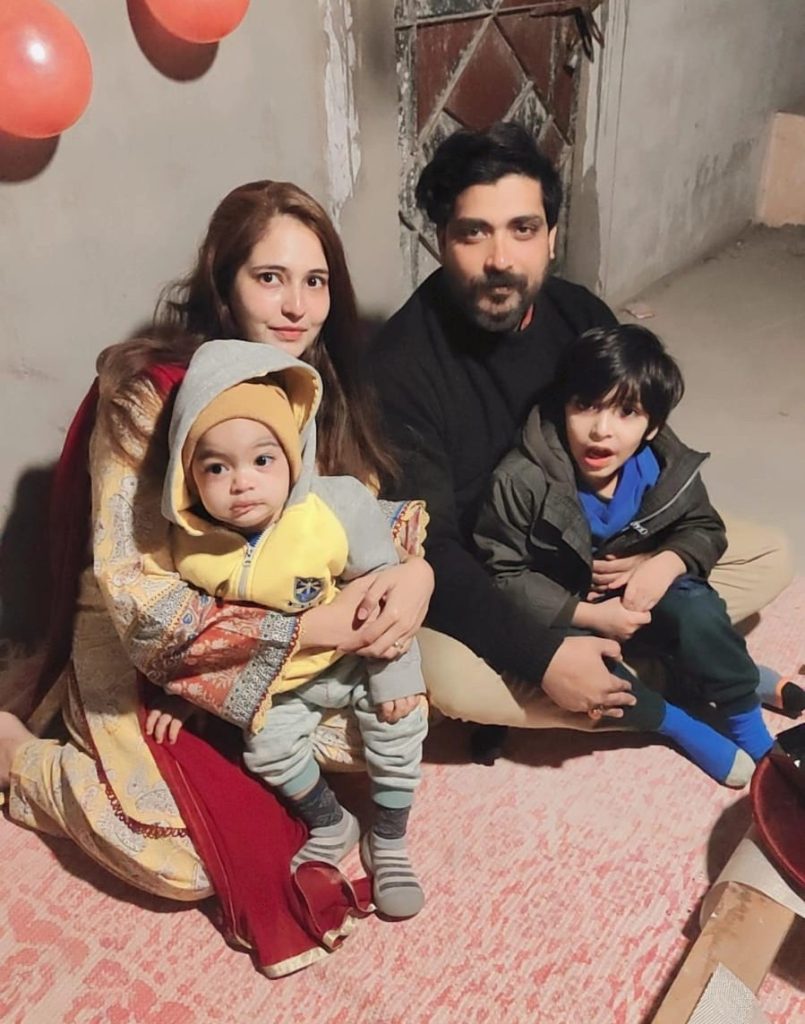
The realisation did not come in a doctor’s office. It came at home, under the dim light of a changing table. As I was dressing my three-year-old son, Salahuddin, I noticed a distinct hollow indentation on both sides of his lower ribs. My wife was in hospital at the time, recovering from a C-section after the birth of our third son. When I sent her a video in a panic, her reaction confirmed my fear: this was new. It was the physical sign of something we had seen before, but never fully understood.
In that moment, I realised we were not just facing a medical mystery. We were confronting a diagnostic journey that had been silently unfolding in my wife’s family for decades. In 1989, her brother was diagnosed with a condition that, at the time, had no clear name or understanding. He fought bravely for eleven years before passing away in 2000 at the age of seventeen. Today, science gives that story a name: severe neuronopathic mucopolysaccharidosis type II (MPS II).
As an X-linked disorder, this condition travels silently through generations, carried unknowingly, until it resurfaces. Now it has returned, threatening our son’s future.
The boy who loves to run
Before I speak of diagnoses and therapies, I want you to know Salahuddin.
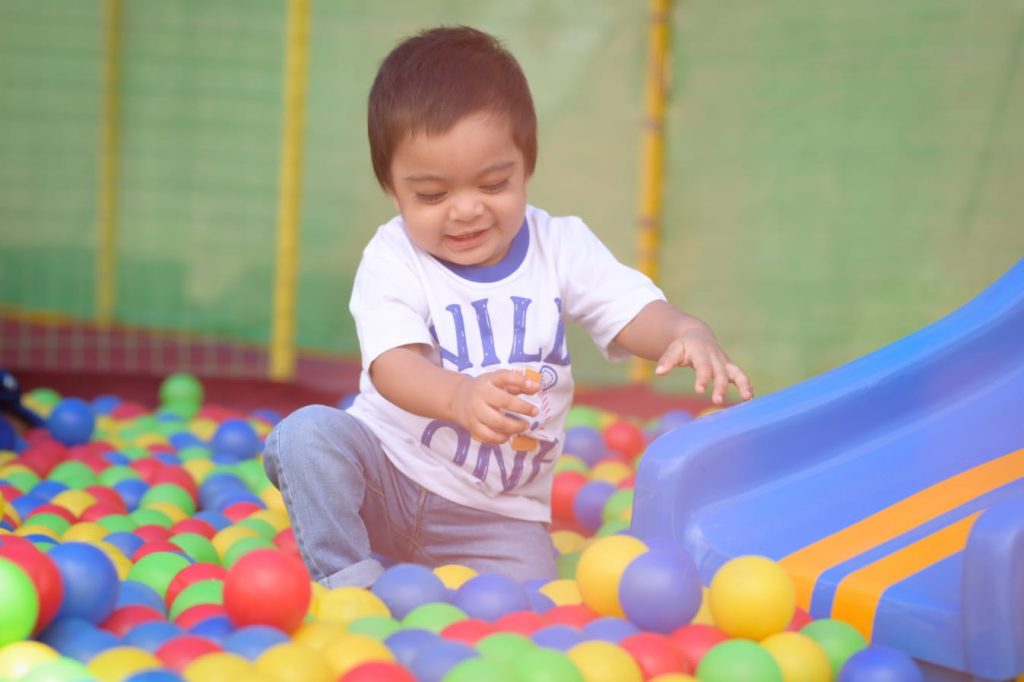
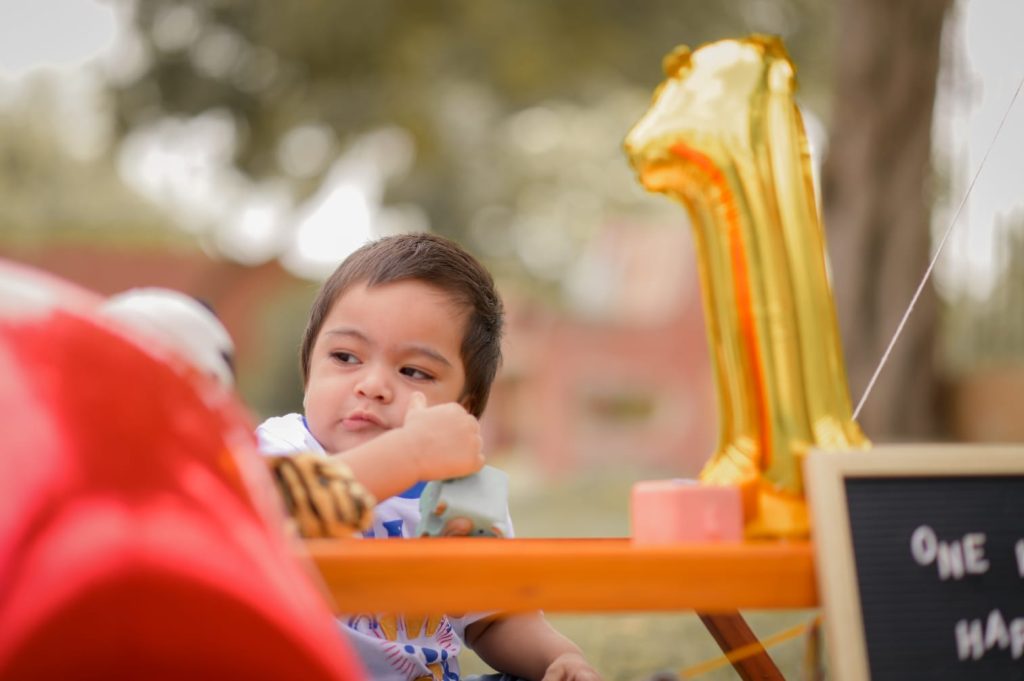
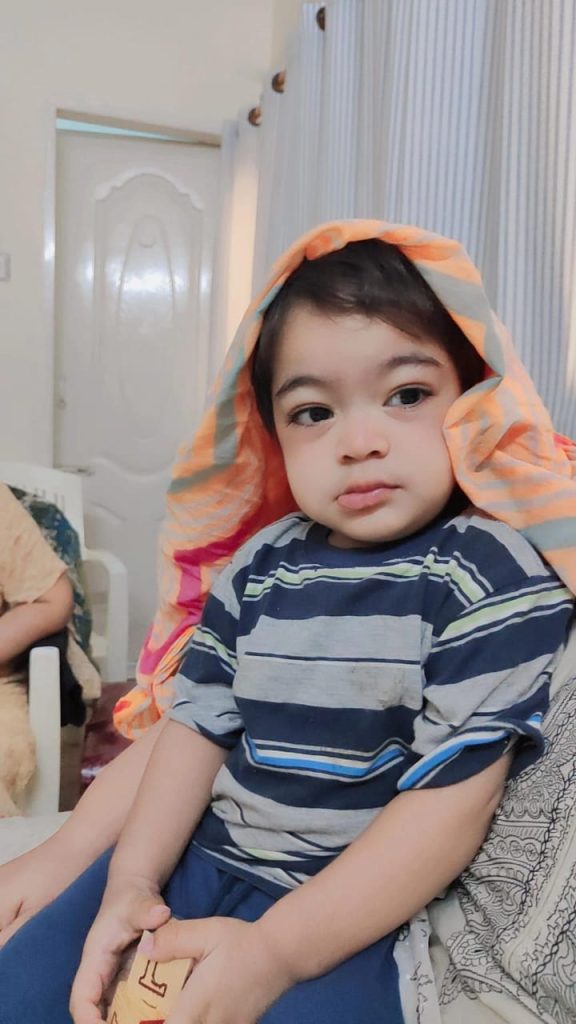
He loves to run. The moment we step outside, he is off—arms pumping, feet barely touching the ground, laughing as the wind hits his face. He loves outdoor play with a kind of whole-body joy that is impossible to contain. And when I pick him up, when he settles into my arms, he does something that I cannot fully explain but will never forget. He reaches for my neck, my ears, my hands—and with his small fingers, he gently pinches the skin there, over and over, the way you might rub worry beads. The doctors say it brings him comfort. I do not know the science behind it. What I know is that every time he does it, I hold him a little tighter.
This is the child we are fighting for.
A parent’s mission in Karachi
Living in Karachi adds another layer of complexity to this diagnosis. While my wife recovers physically and emotionally from childbirth and cares for our newborn, alongside Salahuddin’s growing needs, I continue working in the finance sector to support our family.
But my real work begins after office hours.
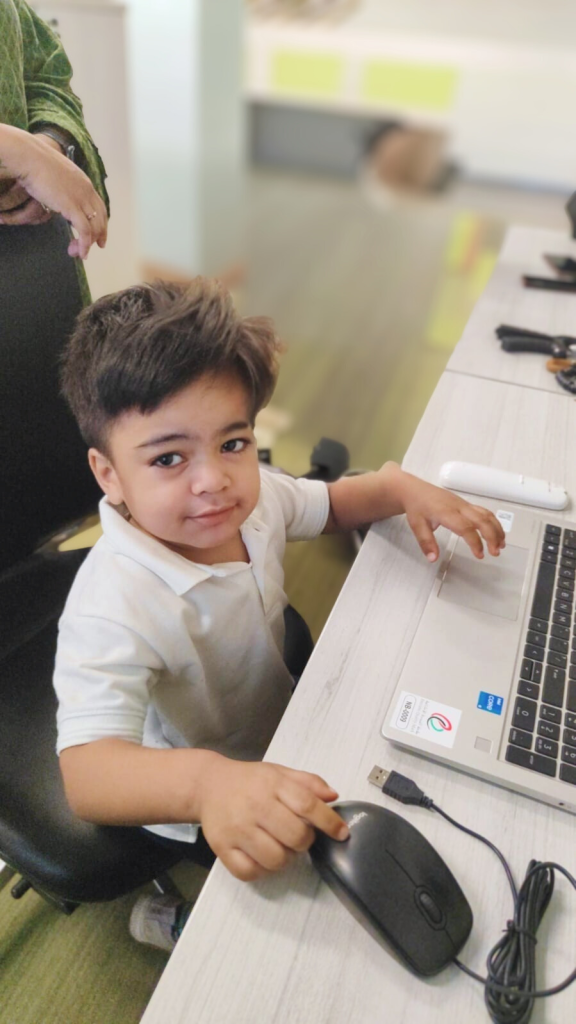
Each evening, I spend four to five hours navigating a fragmented system: researching interventions, reaching out to international organisations, connecting with specialists across borders. Speech therapy, behavioural support and occupational therapy exist here, but they are disconnected from one another and the combined cost runs to many multiples of an average monthly income. We survive on the kindness of community support and charitable help.
We are also learning. My wife and I have taken it upon ourselves to understand the condition—its trajectory, its patterns, the interventions that slow its progression. We implement what we can at home.
We question whether we are doing enough. And we keep moving forward, because standing still is not an option.
Racing against the irreversible
In neuronopathic MPS II, neurological decline does not wait. Once certain damage is done, there is no reversal. The window for intervention is not a matter of months—it is a matter of now.
In Pakistan, there is no access to enzyme replacement therapy or structured multidisciplinary care for this condition. We have navigated the complex world of international clinical trials, coming painfully close to opportunities that were ultimately paused due to regulatory challenges. Last year, we put everything on the line—our savings and our strength—to attend a rare disease conference in California. There, I saw children on clinical trials. I saw children with access to standard therapies. I saw children who had a chance.
I wept for Salahuddin, who is denied even the most basic standard of care available elsewhere.
We are not just searching for treatment. We are racing against time itself.
A global rescue mission
We have now launched what we call a Global Rescue Mission: a determined effort to relocate Salahuddin to a centre of excellence—whether in the United States, Europe or elsewhere—where advanced therapies that target the neurological progression of this disease are being developed and trialled.
These are not distant scientific ideas. They are real, ongoing efforts. And they represent Salahuddin’s best chance at preserving his abilities and his dignity.
We are calling on the global rare disease community, philanthropic organisations and individuals who believe in health equity to stand with us. If you are a clinician, a researcher, an advocate or a family who has walked this road—please reach out.
A child’s access to life-changing treatment should not be determined by the country in which they were born.
We are not asking for a miracle. We are asking for a path to the science that already exists.
Connect with Shahabuddin at shahabuddinghias@gmail.com