Two paths, one childhood: raising twins when one has a rare muscular dystrophy
Written by Ashley Burkman
The Burkman family story serves as an important lesson in inclusivity and is a celebration of the strength and impact of the sibling, and twin, bond

When people meet my twin boys, the first thing they notice is how alike they are. They share the same age, the same laugh and the same enthusiasm for life. What becomes clear a little later is that their paths through childhood look different.
One of my sons, Carter, was born with a rare congenital muscular dystrophy. His muscles are weaker and fatigue more easily. He uses a power wheelchair for mobility and receives nutrition through a feeding tube. His twin brother, Calvin, does not have a disability. Together they are growing up side by side, shaping each other’s understanding of movement, strength and belonging in ways I never could have imagined.
Understanding congenital muscular dystrophy
Congenital muscular dystrophy is not a single condition but a group of rare genetic disorders that affect muscle development from birth or early infancy. Muscles may be weak, tight or prone to fatigue. Some children experience challenges with mobility, breathing or feeding. Severity and progression vary widely, which means families often live with a great deal of uncertainty.
Congenital muscular dystrophy awareness month is recognised in September. Awareness matters because it brings visibility to conditions that are often misunderstood and underrepresented. It also creates space for families to share their stories and for communities to learn how to be more inclusive.
Movement does not look one way
Early on, I worried about what my sons might miss. I wondered whether Carter would be able to participate in the same experiences as his brother and whether their lives would slowly drift apart. What I did not yet understand was how adaptable childhood can be.
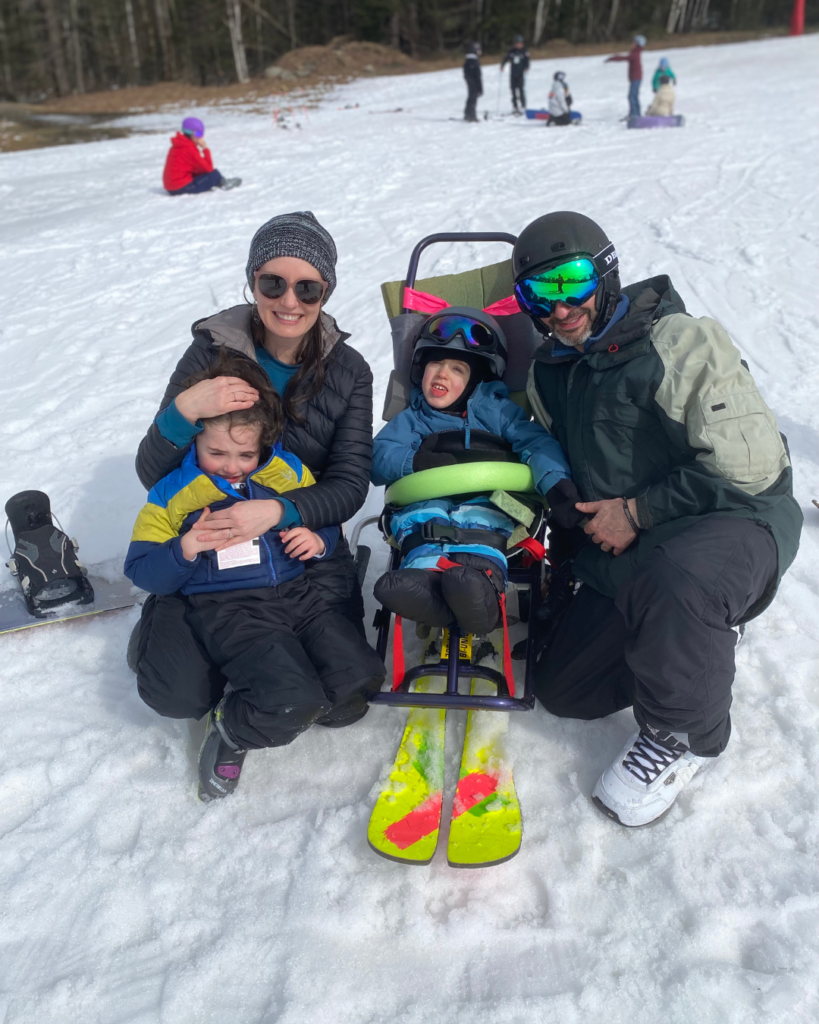
From skiing to soccer, from baseball to dance, from ice skating to swimming, from hockey to walking and hiking, both boys are active. Their movement looks different but they move through life together.
On the ski slopes, Carter uses adaptive equipment that allows him to experience speed and freedom alongside his brother. On the soccer field, Calvin runs while Carter participates in adapted drills, cheers for teammates and helps strategise. In dance class, both boys learn rhythm, coordination and expression, each in a way that suits their bodies.
Movement, I have learned, is not defined by how it looks. It is defined by participation.
The invisible work behind inclusion
What many people do not see is the preparation behind each activity. There are accessibility checks, equipment adjustments and conversations with coaches. There are safety plans, training for aides and careful coordination. When systems are not designed with disability in mind, this work can feel exhausting.
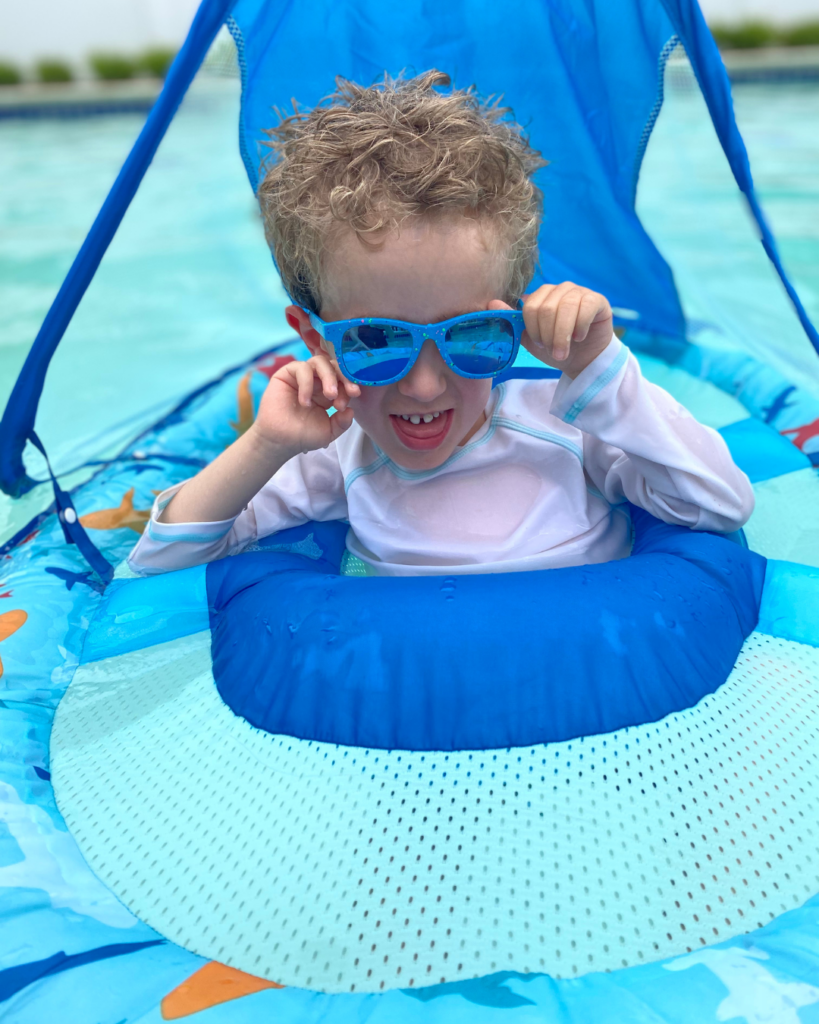
And yet the reward is immense. When Carter swims independently in the pool or glides across the ice with support, he is not completing a therapy task. He is simply being a child. When Calvin confidently explains adaptive equipment to peers, he is learning empathy and advocacy in a very natural way.
Inclusion does not happen automatically. It is built intentionally, one decision at a time.
Growing up as siblings
Having twins has shown me something powerful. Disability does not divide childhood when inclusion is present. Instead, it deepens the connection.
Calvin does not see Carter as fragile or limited. He sees him as his brother, his teammate and his partner in adventure. Their shared experiences have shaped a relationship grounded in creativity, humour and mutual respect.
They problem solve together and celebrate milestones together. They disagree and make up, as siblings do. I recently caught Calvin brushing Carter’s teeth, knowing that this was the next step to getting to play Nintendo. Disability is part of their story, but it does not define their bond.



Redefining what success looks like
In a world that often measures success by speed, independence or productivity, rare disease requires a different framework. In our family, success looks like access, joy and belonging.
It looks like sports programmes that are willing to adapt. It looks like classrooms where difference is normalised rather than highlighted. It looks like playgrounds that welcome every child.
Over the past two years, our school community has worked to fund and build a fully accessible playground, scheduled for completion in 2026. The existing playground surface made it impossible for Carter to participate. This project is about more than equipment. It is about the message it sends. All children deserve space to play.
What bodies can teach us
Carter’s body has taught our family lessons that no textbook could offer. It has taught patience and creativity. It has taught us to honour limits while still seeking joy. It has also taught us that resilience is not about pushing through pain but about adapting with care.
For Calvin, growing up alongside disability has shaped his understanding of fairness and community. He understands that fairness does not mean sameness. It means creating conditions where everyone can participate.
These lessons are lived every day, not taught in theory.
Advocacy in everyday life
Advocacy is often imagined as something formal or public. In reality it is woven into daily life for families affected by rare disease.
Advocacy looks like asking questions, explaining needs and educating others. It looks like requesting adaptive equipment and working with instructors to find solutions. It looks like modelling curiosity rather than fear when difference appears.
Most of this advocacy happens quietly but it has a lasting impact. Even writing this article to share is an example of advocacy.
Finding joy in the journey
There is a common narrative that joy exists in rare disease despite hardship. My experience has been different. Joy often exists because of the perspective rare disease brings.
We celebrate progress that others may overlook. We value community deeply. We learn early that life does not need to look typical to be meaningful.
Watching my twin boys move through the world together has shown me that difference does not diminish childhood. It expands it.


A message for families and communities
To families navigating rare disease, know that your child’s life can be full, active and rich with connection, even if it looks different than expected. Movement is possible. Joy is possible. Belonging is possible.
To communities, inclusion requires intention. Ask who is missing. Ask what barriers exist. Ask how environments can change.
When we design spaces that welcome difference, all children benefit. Rare disease may shape the path, but it does not limit the destination. Childhood, in all its forms, deserves room to move.
Rare Patient Voice are the proud sponsors of the Patient Voice section of RARE Revolution for February, March and April 2026. They provide patients and family caregivers an opportunity to participate in all types of research including market research, health economics outcomes and real-world evidence, user experience/human factors studies and clinical trials. The RPV community includes over 185,000 patients and family caregivers across more than 1,500 diseases, both rare and non-rare, in nine countries. Learn more here.