When hope changes: living with drug-resistant epilepsy
What happens when a condition is refractory and drugs and surgical treatments don’t work? Madeline Bolton-Smith lives with that reality, and shares her experience with us. She turned to journaling to help her cope with her drug-resistant epilepsy, and it has become a memoir of hope.
Written by Madeline Bolton-Smith
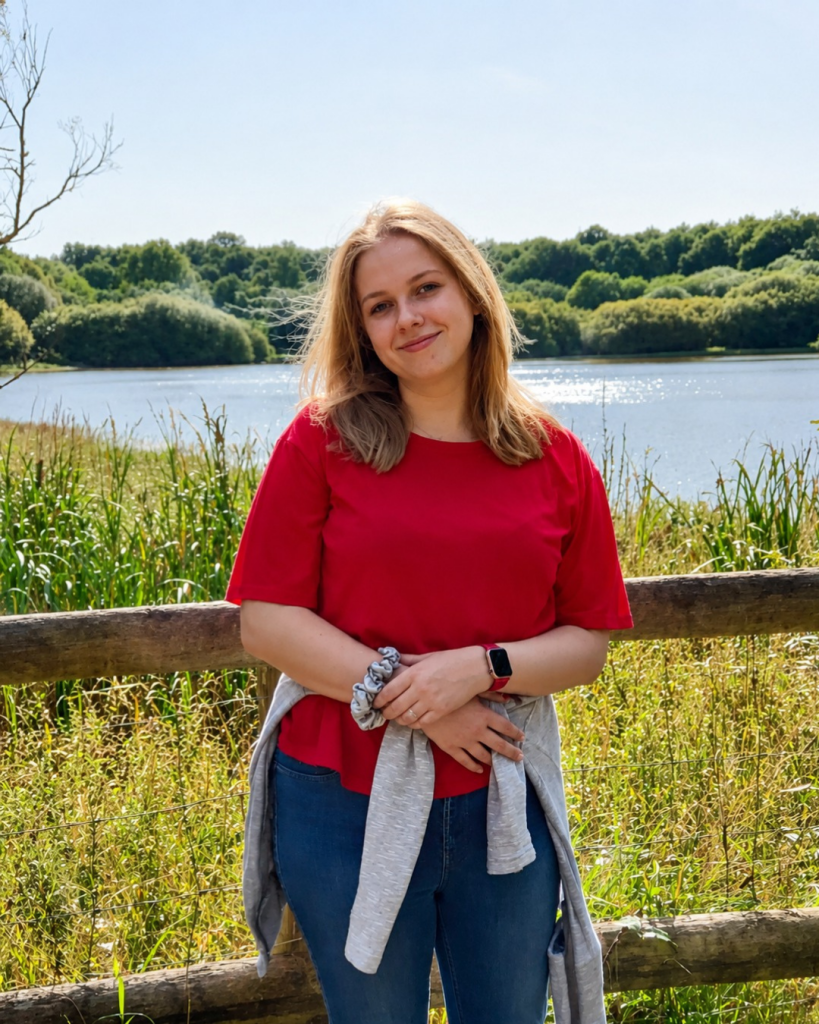
I was diagnosed with epilepsy at the age of 13. At the time I thought a diagnosis would be the beginning of answers. I didn’t yet understand that, for some people, epilepsy is not a single problem waiting for a simple solution but a lifelong condition that can reach into almost every part of life.
When people think about epilepsy, they often picture seizures as isolated events. What I wish more people understood is that epilepsy can quietly shape everything around those moments too. It influences confidence, education, work, relationships, independence and the way you imagine your future.
Looking for answers
By the time I reached my twenties, epilepsy had already taken up a decade of my life. I had been through investigations, treatment changes and years of trying to understand why my seizures continued despite care. Eventually, I was referred for further assessment and, aged 23, underwent Stereo-EEG. This is an invasive investigation used to understand where seizures begin in the brain and whether surgical treatment may be possible.
I remember believing this stage would finally end the long stream of tests and uncertainty. I hoped it would provide clarity and, eventually, a cure. Instead, I came away with something far more complicated.
When hope became complicated
The investigations showed that one form of resective neurosurgery might be possible, but not without difficult trade-offs and risks that felt impossible to fully understand at that age. While I was still grappling with the possibility of losing peripheral vision in exchange for a chance at seizure freedom, my consultant introduced another surgical approach, laser interstitial thermal therapy (LITT), that aimed to reduce that risk. Emotionally, it felt like a beacon of hope.
After years of waiting, appointments and setbacks, hope became my coping mechanism. After five years of my incredibly supportive consultant and me fighting for NHS funding, I underwent the procedure hoping it might finally allow me to imagine life without epilepsy.
Unfortunately, it didn’t. That sentence still feels strange to write. People often imagine that unsuccessful treatment means disappointment and then moving on. For me, it was more complicated than that. It meant trying to rebuild a future when I had quietly placed so much expectation on one outcome without fully considering what would happen if it did not work.
I found myself grieving something difficult to explain, not just the treatment itself, but the version of my life I thought might come afterwards. I imagined building a career, becoming independent, walking to the local shops alone and one day beginning a family without having to weigh seizure control and treatment side effects against pregnancy risks.


The part people don’t always see
Shortly after my seizures returned, my consultant re-referred me to the hospital psychologist and placed me on a waiting list to see a psychiatrist. I remain grateful for his intuition. By the time my mental health had spiralled, I was already receiving psychological support and later received a diagnosis of depression from the psychiatrist. I’d never expected mental health services to become such an important part of my epilepsy care.
Psychology didn’t make the seizures disappear. What it did do was help me understand that disappointment, uncertainty and fear weren’t signs that I was failing to cope. It gave me space to process difficult decisions and helped me separate my identity from my condition.
That became important because living with refractory, or drug-resistant, epilepsy means learning to live with uncertainty.
Living with uncertainty
Heat affects my epilepsy significantly and can sometimes trigger multiple seizures in a day, despite doing everything I can to manage it. I still plan life around energy, routine and recovery. I still occasionally catch myself measuring time in appointments rather than seasons.
But I’ve also realised that hope changes. For a long time hope meant finding the treatment that already existed. Now, hope looks different.
Finding a voice through writing
After the procedure failed I journalled as a coping mechanism to process the unexpected outcome. My diarised experiences later became my memoir, Diary of an Epileptic: The Hidden Reality. It gave me somewhere to put the grief, frustration and questions that didn’t always fit neatly into appointments.
Writing didn’t change the outcome, but it helped me make sense of it.
My hope is that the book reaches people who are newly diagnosed, frightened by the unknown or looking for words to describe an experience they haven’t yet been able to explain. If even one person reads it and feels less alone or feels that someone has given voice to a hidden part of epilepsy, then sharing my story has been worth it.
Why research matters
My interest in research is personal rather than academic. After years of treatment decisions and narrowing options, I have become increasingly interested in what future therapies could mean for people living with refractory epilepsy. Not because I expect immediate answers, but because I know what it feels like to reach a point where existing options may no longer offer what you had hoped for.
Epilepsy research has already changed lives and continues to do so. I hope we keep investing in the next generation of possibilities, including genetics and more personalised approaches to care, so people living with difficult-to-treat epilepsy have more than symptom management to look towards.
Because for many of us, hope is no longer just about the next appointment. It is about helping create options that do not yet exist.
Madeline Bolton-Smith is the author of Diary of an Epileptic: The Hidden Reality, a personal account of living with epilepsy and the impact it can have beyond seizures.