Why microcephaly must be included in global rare disease agendas: Africa’s perspective
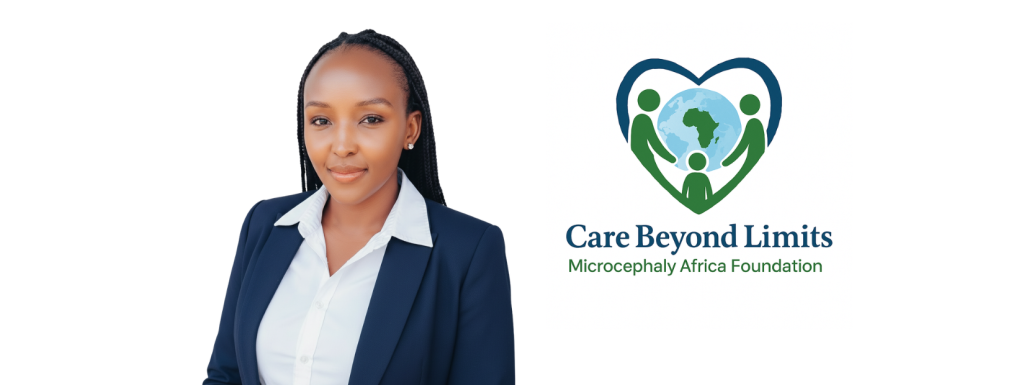
Written by Lenah Musangi, founder of Care Beyond Limits – Microcephaly Africa Foundation (CBL-MAF)
Lenah Musangi is the founder of Care Beyond Limits – Microcephaly Africa Foundation (CBL-MAF), a leading voice for microcephaly advocacy and support across the African continent. She is dedicated to dismantling stigma and ensuring that children with neurological rarities are centred in global health and policy conversations
In the quiet corners of rural villages and the bustling streets of Nairobi, there is a community of children whose voices are often unheard. These are children born with microcephaly, a rare neurological condition where a baby’s head is significantly smaller than expected. While the world discusses rare diseases through the lens of advanced genomics and precision medicine, for many families in Africa, the reality is far more fundamental—and far more isolated.
At CBL-MAF, we believe that “rare” should not mean “forgotten”. As we look toward the global rare disease agendas of 2026, it is time to centre the African perspective, where microcephaly is not just a clinical diagnosis but a profound intersection of health equity, environmental factors and social justice.
The diagnostic gap: beyond the genetic code
In high-income countries, especially in the global north, microcephaly is often caught via routine prenatal ultrasounds or advanced genetic screening. In Sub-Saharan Africa, however, many mothers first realise something is different only after birth—or months later, when developmental milestones are missed.
● Limited infrastructure: access to MRI or CT scans is a luxury. In many of the regions where we work, like rural Uganda and Tanzania, families must travel hundreds of miles to reach a facility capable of a definitive diagnosis.
● The “symptom” paradox: globally, microcephaly is often categorised as a symptom of other conditions (like zika or rare genetic syndromes). Because it is seen as a “secondary” feature, it frequently falls through the cracks of dedicated rare disease funding and research which focuses on “primary” diagnoses.
The African etiology: a unique profile
While global agendas often prioritise genetic rare diseases, Africa’s microcephaly landscape is heavily shaped by environmental and infectious drivers.
● Infectious burden: beyond the well-known Zika virus, endemic infections such as cytomegalovirus (cmv), rubella and toxoplasmosis contribute significantly to microcephaly rates in Africa.
● Nutritional factors: severe maternal malnutrition and exposure to environmental toxins remain critical, yet under-researched, factors. By excluding microcephaly from global agendas, we ignore the specific needs of a population whose condition is rooted in the very environment they inhabit.
Children with microcephaly in Africa are often unseen and unheard. We exist to give them a voice and build a continent where every child is valued beyond measure.
Breaking the chains of stigma
Perhaps the greatest hurdle for African families is the cultural stigma. In many communities, a child with a visible neurological difference is viewed through a lens of “curses” or “shame.” This leads to:
1. Isolation: mothers often hide their children, fearing community rejection.
2. Lack of support: when a condition is misunderstood as a spiritual failing rather than a medical rarity, families are denied the communal support that is vital for survival.
A call for global inclusion
For microcephaly to be truly included in the global agenda, the international rare disease community must:
● Decentralise research: include African data in global registries. We cannot understand the full spectrum of microcephaly if the African genome and environmental factors are missing from the dataset.
● Prioritise early intervention: global policy must support the training of community health workers in Africa to recognise microcephaly early, ensuring children receive physical and occupational therapy during the critical “window of plasticity”.
● Fund dedicated centres: currently, there are almost no dedicated research centres for microcephaly on the continent. Partnership with organisations like CBL-MAF can bridge this gap.
Looking ahead: a life beyond limits
Our vision at Care Beyond Limits – Microcephaly Africa Foundation is a world where a diagnosis of microcephaly does not dictate a child’s worth. From our headquarters in Nairobi to our global partners, we are seeing children reach milestones once thought impossible—when they have the right support. As we advocate for inclusion in the 2026 global rare disease agenda, we invite the world to look toward Africa. Not as a place of deficit, but as a place of resilience, where “Care Beyond Limits” is not just a name, but a daily reality for thousands of families.
Join us in ensuring that no child is left behind because of the size of their head or the location of their birth.
Our hashtag for 2026 – #BeyondTheMeasure2026.
Socials: Instagram-carebeyondlimits_maf
Facebook-Care Beyond Limits- Microcephaly Africa Foundation
LinkedIn- Care Beyond Limits- Microcephaly Africa Foundation
Bluesky- Care-beyondlimits.bsky.social