Myasthenia gravis: the clinical challenge of getting the right treatment to the right patient
CONTENT SPONSORED BY KYVERNA THERAPEUTICS, INC

From recognising fluctuating weakness to navigating long-term therapies, Professor Srikanth Muppidi describes a field transformed by new options—but still shaped by diagnostic uncertainty, treatment burden and the need to listen closely to patients
Written by Nicola Miller, RARE Revolution
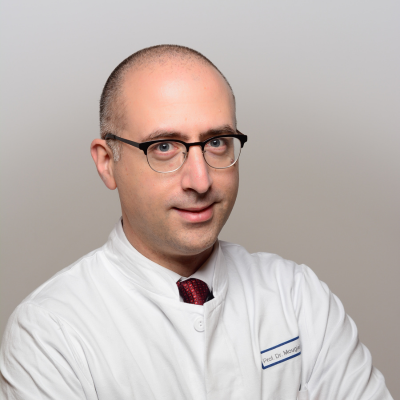
Interview with Professor Srikanth Muppidi, clinical professor, Department of Neurology, Stanford
Professor Srikanth Muppidi is a clinical professor in Stanford’s Department of Neurology, specialising in neuromuscular disorders, particularly autoimmune conditions. He is well-versed in the clinical challenges of treating patients with autoimmune conditions.
When looking at the field of rare autoimmune disease, Srikanth feels that we can learn much from myasthenia gravis (MG), a disease that has benefited from significant progress over the last decade. He explains, “Myasthenia gravis is probably the most well-known—and we like to say well understood autoimmune disease.”
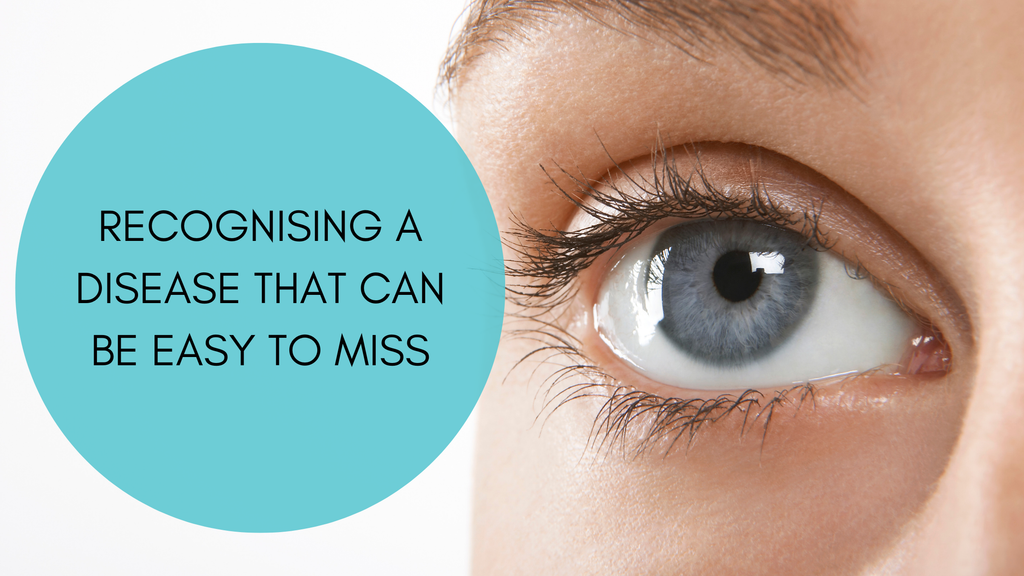
MG is an antibody-mediated disease in which the immune system interferes with communication between nerves and muscles. The effects vary. Weakness limited to the eye muscles may cause drooping eyelids or double vision, known as ocular MG. When other muscles are affected—including those involved in speaking, swallowing, chewing or moving the arms and legs—the condition is described as generalised MG. A characteristic feature can be “fatigable weakness”: symptoms that become more apparent with use; “The arm or the eyes and the double vision get more abnormal or more fatigued as you use them.”
That variable nature of MG can complicate recognition. Someone may first seek help from a GP for weakness or an ophthalmologist for double vision. The crucial first step, Srikanth says, is for a clinician to consider MG. “If they suspect it, MG is not that difficult to diagnose in most cases”. Antibody tests are widely available, with confirmatory results within 7 –10 days. For people with seronegative MG, where a reliable antibody test is not available, diagnosis can be more challenging and may require electromyography testing (a test that measures how electrical signals pass from nerves to muscles).
MG is largely well known in medical education, Srikanth notes, but physicians’ experience with it varies. Many will have encountered only a few cases during training. The result is that fluctuating symptoms may not immediately prompt suspicion. Yet Srikanth emphasises that earlier diagnosis and treatment can improve symptom burden and outcomes—making the case for more consistent education to improve early detection.
MG is commonly classified by the antibody involved, with it split into three distinct categories. Around 80% of patients have antibodies to the acetylcholine receptor (AChR); a smaller group have antibodies to muscle-specific kinase (MuSK); even fewer have antibodies to low-density lipoprotein receptor-related protein 4 (LRP4); and some are seronegative. There is also a much rarer genetic condition, congenital myasthenic syndrome, which is distinct from autoimmune MG.
These differences matter clinically in practice. Srikanth says pyridostigmine (cholinesterase inhibitor), a symptomatic treatment, is commonly used for AChR-positive MG, alongside immunosuppressive therapies. It may be less helpful for MuSK MG, for which clinicians in the US and some European countries may use rituximab (a monoclonal antibody). Some newer treatments are limited to particular subgroups, while seronegative patients may not have routine access to every approved option.
The past decade has substantially expanded the treatment toolbox, including complement inhibitors, neonatal Fc receptor (FcRn) inhibitors and B-cell targeting therapies. Srikanth describes these as important advances, but not as cures. “Most of the time they are stabilising,” he says. A central limitation is that benefits may depend on continuing treatment: stopping a therapy does not necessarily mean that symptom control will persist—likely symptoms will return.
For an MG crisis, current hospital treatments still include plasma exchange and intravenous immunoglobulin (IVIG). The newer targeted therapies are generally used in outpatient care and, Srikanth says, “are not fast-acting enough to serve as crisis treatments”. They may help reduce hospitalisation over time, but they do not replace acute intervention.
Cost and access also shape care. After a prescription is written, insurance approval can take months; clinicians may then need to allow time to assess whether a treatment works. For the smaller group of patients who need to try several medicines or combinations, this can mean a lengthy and difficult process as they cycle through therapeutic options.
The practical challenge is finding effective control while managing the expense and ongoing burden of treatment. All of which are considerations for Srikanth when working with a patient to arrive at a treatment plan.

More options have made it possible, in part, to tailor treatment around both disease and daily life. Some patients may prefer less frequent treatment; others may be comfortable with self-injection. Clinicians also need to consider travel distance, infusion demands and vaccination requirements. “The number of choices has allowed us to adjust therapies based on patient preferences and patient lifestyle and choices,” Srikanth says.
In the clinic the MG Activities of Daily Living scale (MG-ADL)—a validated clinical outcomes metric—is a commonly used measure of disease activity. It offers a practical snapshot of symptoms and has also performed well as an outcome measure in clinical trials. Other validated tools are also available, but Srikanth finds these more of a blunt instrument. He is mindful that no single measure captures every person’s experience: clinicians may need to supplement MG-ADL with examination findings, specific symptoms, physical limitations and quality-of-life measures.
That broader view matters because fatigue and treatment burden can be difficult to capture on a scale. Fatigue, Srikanth says, can be profoundly disabling and may have several contributors, including poor sleep, other health conditions or medication side effects. He also describes treatment burden as changeable: when symptoms are severe, frequent treatment may feel worthwhile; when patients feel better, the same regimen can become disruptive.
“We are always going back to the patient and asking them what their ongoing limitation is—to ensure optimum adherence and limit, where we can, the burden of long-term treatment regimens.”

Some patients may elect to be part of clinical studies that are examining new treatment options. Studies often require a moderate symptom burden—for example, an MG-ADL score of six or higher—so researchers can demonstrate a meaningful improvement. That threshold can make it harder to study treatment very early, when symptoms may be less severe and there is less room for a measurable change. At the same time, Srikanth notes that more recent trials may allow participation soon after diagnosis, rather than requiring patients to cycle through multiple treatments first—something he welcomes.
For patients who remain inadequately controlled or experience recurrent admissions, clinical trials may offer another path. Srikanth points to ongoing phase 3 studies of CAR T-cell therapies. The CAR T cells can profoundly remove B-cells even deep within tissues, and researchers hope this “deep B-cell depletion” may allow the immune system to return in a healthier state.1-3 These could potentially offer more durable benefit, though their eventual place in care depends on trial results and regulatory approval.
Srikanth hopes the field will continue moving towards treatments with lasting effects.
“I would love to see more innovative therapies with durable effects for a long period of time.” His longer-term aspiration is “complete resolution and a disease-free state and a drug-free state”.

Some therapies require coordination beyond the neuromuscular specialist. At Stanford, Srikanth describes working closely with a clinic pharmacist to support the process, and with other external teams where needed. Providing coordinated wrap-around support from relevant specialists helps patients and their families navigate their chosen treatment fully supported at every phase.
Srikanth is clear that innovation to address any current care and treatment shortcomings must remain grounded in patients’ everyday priorities—including symptoms that are difficult to measure, the demands of long-term treatment and the opportunity to take part in research.
For patients who remain symptomatic despite available therapies, he encourages discussion of newer approved treatments and clinical trials. The remarkable growth in MG research has created new possibilities, but the work is not finished: timely recognition, individualised decisions and attentive follow-up remain essential to making those advances meaningful. And this is the work of physicians like Srikanth.
“It’s a completely different paradigm as to how we treat patients now than 10 years ago, and I personally hope in another 10 years we are talking to patients about, if not a word like cure, a treatment paradigm where we are aiming for complete resolution and a disease-free and drug-free state.”
Stanford also runs online patient sessions with updates, questions and space for people to speak with one another. This partnership with support groups allows them to keep patients abreast of all treatment options available in this fast-evolving landscape, allowing them to feel informed and empowered in their decision-making. This extends beyond prescribing: helping patients understand their options, weigh trade-offs and connect with support.
That patient connection matters. Trial teams can explain the options, treatment process, potential burdens and risks, screening requirements and what monitoring and long-term follow-up involve for that particular study. Additionally, advocacy groups can help patients identify questions, find reliable information and reach the right experts—so they can have more informed conversations with their care team and decide whether to explore a trial and ultimately make informed decisions around enrollment.
References
[1] Albach, F.N., et al., Targeting autoimmunity with CD19-CAR T-cell therapy: efficacy and seroconversion in diffuse systemic sclerosis and rheumatoid arthritis. Rheumatology (Oxford), 2025. 64(6): p. 4075–4077.
[2] Minopoulou, I., et al., Anti-CD19 CAR T cell therapy induces antibody seroconversion and complete B cell depletion in the bone marrow of a therapy-refractory patient with ANCA-associated vasculitis. Ann Rheum Dis, 2025. 84(3): p. e4–e7.
[3]Tur C, et al. Ann Rheum Dis. 2025;84(1):106-114.
Articles within this digital spotlight are for information only and do not form the basis of medical advice. Individuals should always seek the guidance of their medical team before making changes to their treatment.
This digital spotlight has been made possible with financial support from Kyverna Therapeutics, Inc.
Kyverna Therapeutics, Inc. have had no editorial control over the copy, and all opinions are those of the contributor.
RARE Revolution Publishing® retains all copyright.