The lived reality of a CAR T-cell therapy trial
CONTENT SPONSORED BY KYVERNA THERAPEUTICS, INC
A patient’s perspective: What is it like to take part in a CAR T-cell therapy clinical trial?
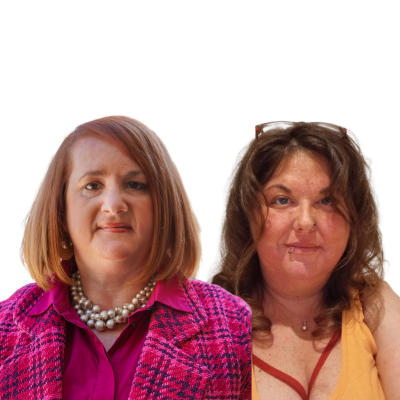
For Lynn Montgomery-Haga, taking part in a CAR T-cell therapy clinical trial was something she went into well-informed, with her eyes wide open. With existing treatments no longer keeping her disease—stiff person syndrome—at bay, she decided embarking on a clinical trial was the next right step for her. Lynn shares what participation looked like for her and the importance of being fully informed on the benefits and risks and what to expect from CAR T-cell therapy
Written by Karen Roberts, RARE Revolution
Interview with Lynn Montgomery-Haga
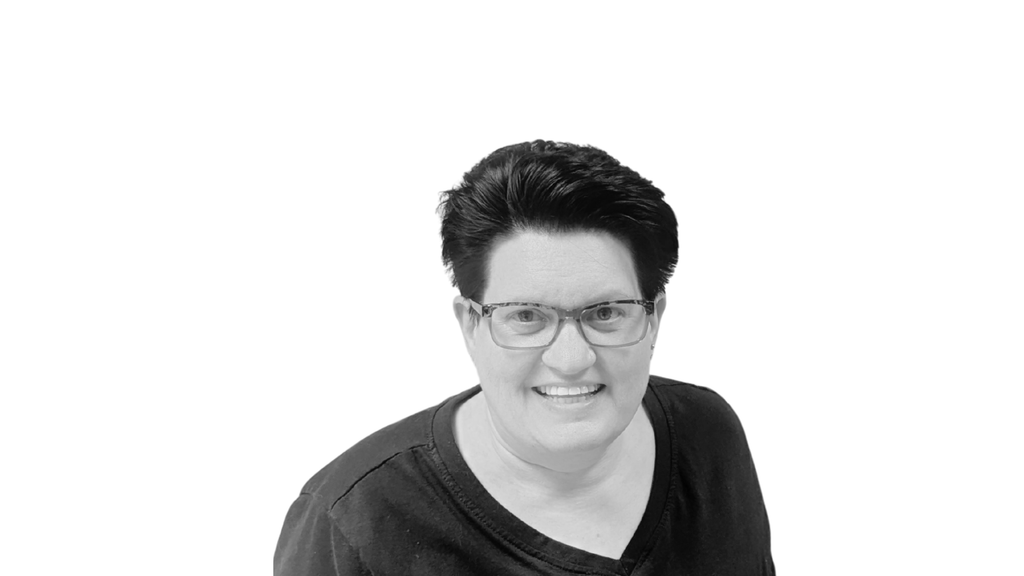
Lynn Montgomery-Haga describes herself as “patient number one” —and with good reason, as she was the first person to enrol in a CAR T-cell therapy (CAR T) clinical trial for stiff person syndrome (SPS).
SPS is a rare progressive autoimmune neurological condition that causes severe muscle stiffness and painful spasms. Lynn has been living with the debilitating symptoms of SPS since 2014, yet it took a further four years for her to receive a diagnosis.
Lynn describes that period of uncertainty as “stressful”—managing symptoms without any context of what was happening to her. She adds, “I would not be able to sit up, and I would just lay on the bed and cry, thinking I was going insane. I felt ‘there’s got to be something wrong with me’, but I didn’t know what it was. It was an awful time.”
Lynn’s mobility was badly affected; her muscles would spasm, and quickly she went from having a little trouble walking to not being able to walk just a few feet, with frequent falls; she describes it as “I would fall over like a tree”.
“I went from nothing to a cane to a wheelchair.”
Although there are currently no approved treatments for SPS, Lynn was promptly treated with intravenous immunoglobulin (IVIG) therapy to reduce her symptoms. Over time, this resulted in Lynn being able to move from the wheelchair back to a walker aid, but she explains that beyond that, the IVIG was “just keeping me stable”, not bringing her the improvement she longed for.
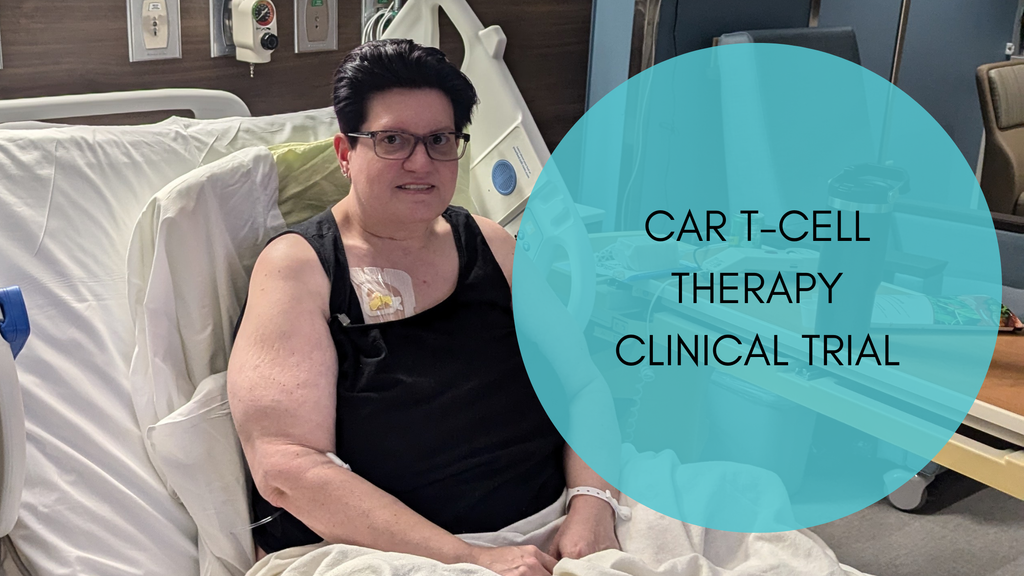
With her disease status stable but feeling as though existing treatments had taken her as far as she could, Lynn was open to the suggestion to learn more about a CAR T-cell therapy (CAR T) clinical trial when her physician raised the possibility. She recounts the conversation as an emotional one. “I cried and cried and cried. ‘Are you seriously telling me I could go from being sick to being not sick?’ Then I cried some more.”
By this time, Lynn couldn’t move around much and recalls, “I could barely do anything. I couldn’t sit up. I kept falling out of bed”—prompting her husband to install a bed guard. Lynn shares, “My brain didn’t know where I was in space”.
She describes feeling like she was “looking out at the world through a bubble”. Everyday things that we take for granted caused Lynn significant anxiety. Even something as simple as walking across different surfaces left her in constant fear of falling.
Dealing with feelings of guilt over the additional care and help she needed from family members was also crippling and plagued Lynn.
“Having the disease, it’s very difficult on the person with the disease and all the people trying to support the person with the disease. Every time my husband had to take my walker out of the car for me—and that’s every time we had to go out—the guilt just built up. It’s incredibly hard to get over that.”
Against this backdrop, Lynn decided that further exploration of a CAR T clinical trial had merit.
Despite the promise that a potential trial could bring, Lynn understood this was an investigational clinical trial with no guarantees. So, she understood early the importance of viewing the decision with clarity and being information-led.
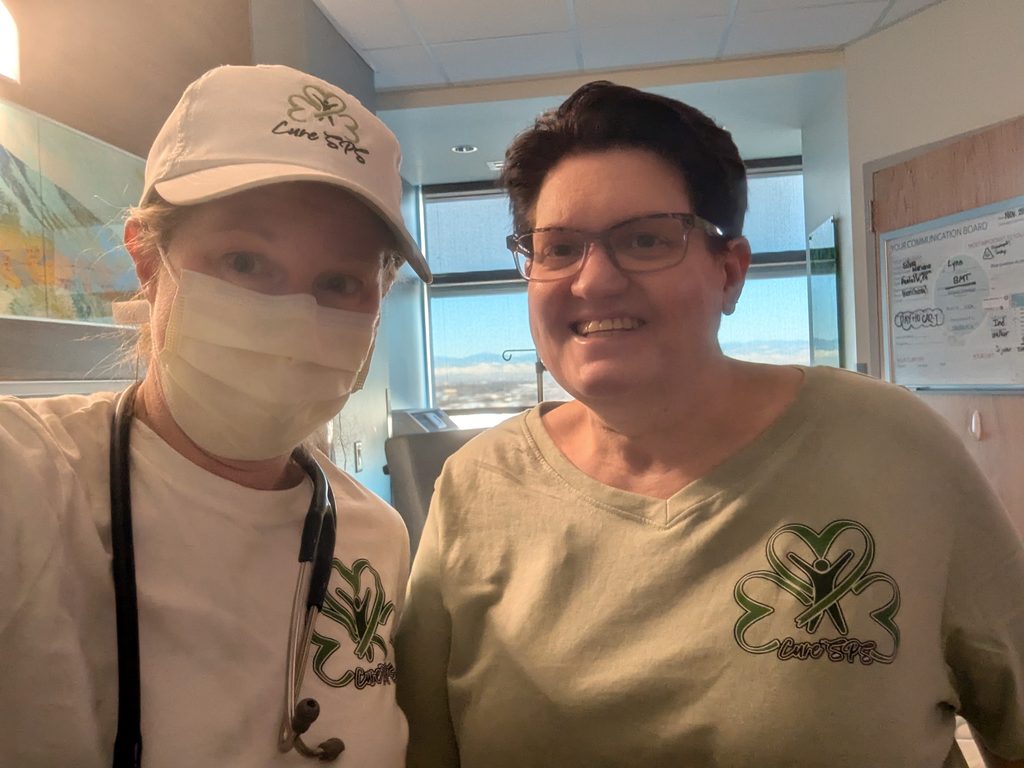
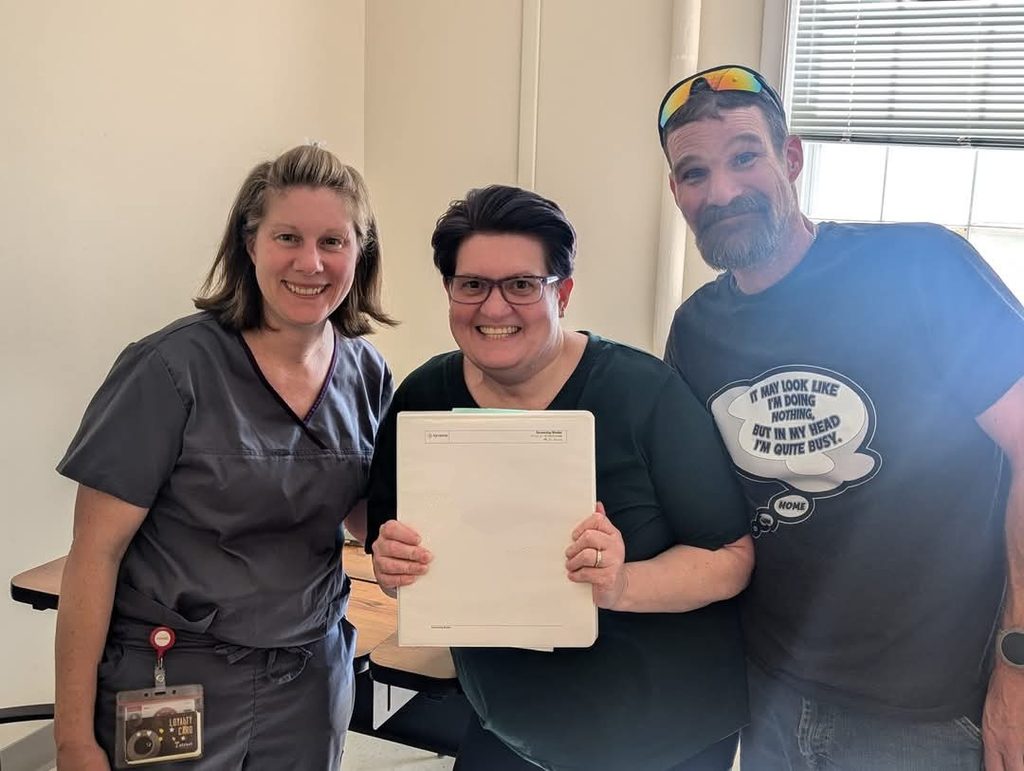
Lynn is, she says, “thankful for so many things”, including her physician. From her physician initially raising the subject of the trial, to Lynn ultimately deciding to enrol in the trial, she felt highly informed. She had a clear understanding of both the potential benefits and risks of CAR T, what participation would entail and what to expect throughout the journey ahead.
“My physician is very good at making sure you know what you’re getting yourself into, and so I knew there could be these side effects. And I was prepared for that.”
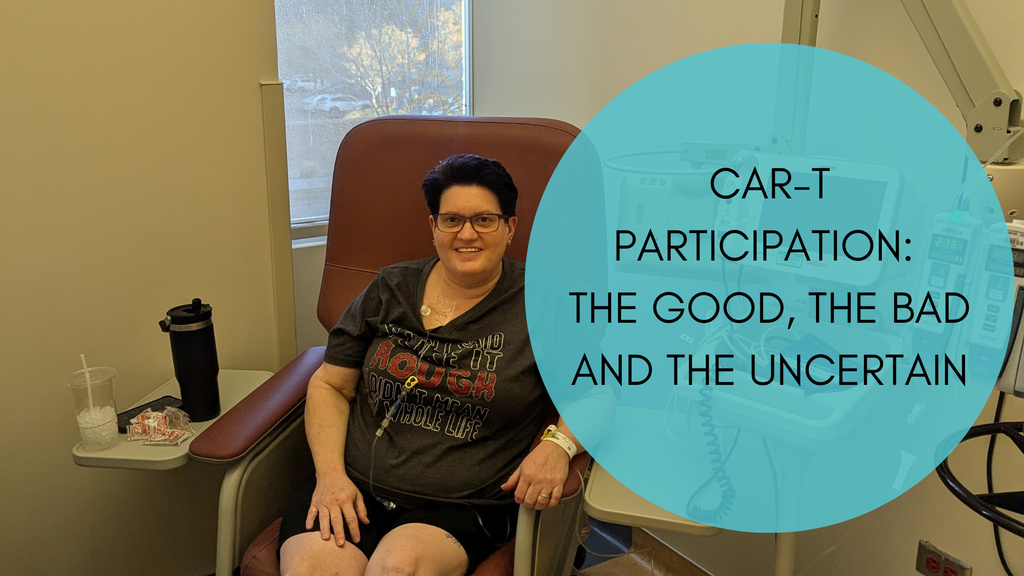
Autologous CAR T-cell therapy treatment involves removing the patient’s own T-cells and then engineering them to target rogue B-cells (immune cells that produce antibodies that attack healthy tissue). The modified T-cells are then re-infused into the patient intravenously in a one-time infusion.
First, a patient’s T cells are collected from their blood through a process called apheresis, while the rest of the blood is returned to the body. Similar to donating blood, the procedure is routine but takes a little longer. The T cells are then sent to a specialised manufacturing facility, where they are modified to become CAR T cells. Before these cells are infused back into the patient, the patient undergoes a short conditioning regimen designed to give the CAR T cells the best possible chance of success.
This conditioning regimen involves a short course of low-dose chemotherapy before receiving the CAR T cells, helping prepare the body for treatment. This conditioning regimen is important for several reasons, including reducing the number of existing immune cells to limit competition and creating a favourable environment for the newly infused CAR T-cells to expand and do their job. As part of the clinical trial protocol, Lynn also had to go through the IVIG washout, which was needed to make sure the medicine was removed from her system according to the protocol of the clinical trial.
“By the time I got to the chemo (conditioning regimen), it was definitely harder to walk and to do everyday tasks, but I knew after the chemo (conditioning regimen), I was going to be in the hospital for 10 days, and that the nurses are trained, the doctors are trained so I would be okay—they know how to deal with sarcasm and sickness!”
Because Lynn lived over an hour from the hospital, she moved to accommodation at a nearby hotel, and her best friend, Shelli, was with her the whole time.
Lynn received her conditioning regimen over three consecutive days. While the chemotherapy component can affect patients differently, she found it incredibly tough. She recalls being unable to eat and having other side effects such as vomiting, which required anti-nausea medication and additional fluids to help combat. She shares, “It was challenging, it made me very ill and I am so thankful for my BFF [best friend forever] Shelli who stayed by my side throughout.”
Following the CAR T-cell infusion, Lynn remained in hospital for close monitoring, which was part of the clinical trial protocol. Patients are routinely assessed for potential side effects such as cytokine release syndrome (CRS) and immune effector cell-associated neurotoxicity syndrome (ICANS). While these can be serious, they are generally manageable and typically resolve within the first month after treatment. Fortunately, Lynn did not experience these complications.
Instead, her recovery was marked primarily by flu-like symptoms during her 10-day hospital stay.
Speaking of the CAR T infusion itself, Lynn recalls how she felt very well supported by a team of “three doctors and two nurses, and two study assistants”.
Lynn felt prepared for the whole process and supported throughout. She was measured about the likely outcome and potential impact on her health, understanding that any improvement would “take time” to be felt. She remained cautiously hopeful.
When Lynn first returned home, she remembers she “did not feel well” and had to keep her food intake simple to avoid an upset stomach. She describes feeling like she was “back to the beginning, unable to walk again”. The physical therapist would encourage her to walk, but she felt she couldn’t get out of her chair and didn’t feel steady.
“By the time I got home, I was feeling all the way back to the beginning, like I needed a wheelchair, but I didn’t really need a wheelchair—just my head felt like I did. It took around six months for this feeling to subside and for me to start to feel the benefits.”
As Lynn looks ahead, she is embarking on a process of finding her new physical norms and limits and working with her physician to understand what, if any, ongoing medications and physical therapy supports she will need.
She has progressed from relying on a wheelchair and walker to using hiking poles and, on some days, taking steps without them. The small milestones that many people barely think twice about have taken on new significance, offering a renewed sense of confidence and independence.
Her aspirations are simple but meaningful. One day, she hopes to visit Disneyland and, as she puts it, “actually walk around” with ease.
“The long-term benefits have obviously been amazing for me. I no longer feel that grief curve like when I was diagnosed. Previously, that grief curve was huge. The acceptance curve took years. I’m so independent, and having to rely on other people made me sad. I don’t think I even got to the top of the acceptance curve until I received CAR-T, when I started to believe, ‘I can feel better’.”
Today, Lynn is in the new era of follow-up, which will span over a 15-year period. The cadence and requirements of long term follow up protocols in CAR T clinical trials vary. The clinical trial protocol extends 1 year post infusion and covers primary efficacy and safety endpoints. This means a schedule of blood draws and other physical evaluations during the 12 months following infusion. Participants also consent to a separate observational study across sponsors which runs 15 years from infusion.
Nonetheless, it has a toll on individuals Lynn quips, “I would go to a trial appointment, and they would take 16 vials of blood. I was thinking, ‘dude, I don’t have that much blood left!’”
Lynn entered a clinical trial informed, prepared and empowered, which proved crucial in helping her navigate the enrolment process, treatment, recovery and her life beyond. Her experience with CAR T-cell therapy illustrates the importance of understanding not only the potential benefits, but also the risks, treatment process, possible side effects and uncertainty that can accompany participation in a clinical trial.
Looking back, Lynn is grateful she had the information, support, and confidence needed to make a decision that was right for her. Today, she hopes other patients considering a clinical trial have access to that same level of education and support. By understanding both the opportunities and challenges ahead, patients can work closely with their care teams to make informed decisions that align with their individual needs and goals. For Lynn, that knowledge was empowering, helping her approach the journey with confidence, optimism, and a clear understanding of what lay ahead.
For patients with autoimmune disease, considering clinical trial participation can raise big questions: What does the treatment involve? Could I be eligible for a trial? What happens after treatment? Advocacy groups can help patients find their way through those questions and connect them with external medical experts who can provide advice and trial-specific information.
Allison Foss, executive director of the Myasthenia Gravis Association, says her organisation helps make CAR T clinical trial specific information accessible to her community through webinars, newsletter coverage and opportunities to hear from industry partners. The group has also invited clinical-trial staff to speak with support groups to hear first-hand from those driving relevant trials. Because CAR T studies can differ in how they work, the association is careful to direct people who want to learn more to the company or institution running the trial, where they can get relevant details about eligibility and participation.
That connection matters. Trial teams can explain the treatment process, potential burdens, benefits and risks, screening requirements and what monitoring and long-term follow-up involves for that particular study. Advocacy groups can help patients identify questions, find reliable information and reach the right experts—so they can have more informed conversations with their care team and decide whether to explore a trial and ultimately make informed decisions around enrollment.
Articles within this digital spotlight are for information only and do not form the basis of medical advice. Individuals should always seek the guidance of their medical team before making changes to their treatment.
This digital spotlight has been made possible with financial support from Kyverna Therapeutics, Inc.
Kyverna Therapeutics, Inc. have had no editorial control over the copy, and all opinions are those of the contributor.
RARE Revolution Publishing® retains all copyright.