
Led by me, not my type: the practical realities of adult life with SMA
Steven Jones lives with spinal muscular atrophy type 3. He shares what it takes to work full time, travel and manage fatigue, and why care should be led by the person rather than the label

Written by Steven Jones
I was around five when my parents noticed something wasn’t quite right. I could walk, but I tripped and fell over a lot. By my early teens I was using crutches and a wheelchair for longer distances. Since the age of 16 I have used a wheelchair full time.
I have spinal muscular atrophy (SMA) type 3, a rare genetic neuromuscular condition. A missing or faulty gene means my body doesn’t make enough of a protein that motor neurons need to survive. These are the nerve cells in the spinal cord that send signals to the muscles, and as they are gradually lost, muscles weaken and waste. Type 3 usually becomes noticeable after a child has learned to walk.
Doctors group SMA into types, usually numbered 0–4, largely by when symptoms first appear. In my experience a type tells you very little about a person’s life. Everyone experiences SMA differently. It is a progressive and challenging condition, but it should not limit what people can and should do, and the support we receive should be led by us and our experiences.
Today I work full time in a senior role, live independently, travel as often as I can and volunteer as a patient advocate. These are some of the practical realities behind that.
Pacing, not limits
You get used to having a disability, the way people get used to anything. For me the most noticeable part of SMA is fatigue: hitting a brick wall at the end of the day or feeling exhausted for no obvious reason.
There are two kinds, and they feed into each other. One is tiredness: I can’t concentrate and my responses slow down. The other is physical: deep muscle aching, and temporarily losing the ability to do simple things, like getting a cup down from the cupboard or lifting my wheelchair out of the car. It isn’t the kind of tired a coffee fixes.
Pacing myself isn’t always my strong point. When I got the keys to my new house, I was so excited that I spent the whole first day stripping wallpaper. The walls looked fantastic. The next day I could barely feel my arms. SMA often sends the bill the next day. A long drive can write off the following day too, and sometimes I have to cancel plans.
Worry plays a part too. I enjoy getting out the house and going into the office, but the night before I often struggle to sleep, worrying about whether I’ll manage the next day. The irony is that the worry itself makes the fatigue worse.
My advice is to find your own pace. Learn from others, but build your own plan and set boundaries. If friends suggest the cinema at 9pm and that’s too late for you, it’s fine to say no.
Work and home: flexibility makes the difference
I drive into central London for work. On office days I’m up at 5.30am and leave at 6.30am, because setting off half an hour later can mean an extra hour in traffic. Working from home several days a week makes a huge difference to my fatigue, and I spread my office days out.
I’m lucky to have a supportive employer. Flexible working, a workplace adjustment passport and on-site parking make full-time work possible. I’ve always been open about my disability. I know not everyone will be comfortable doing that, but with a visible disability the conversation is almost inevitable. When I started treatment and needed more hospital appointments, those conversations became more frequent, and they showed me what other adjustments were available.
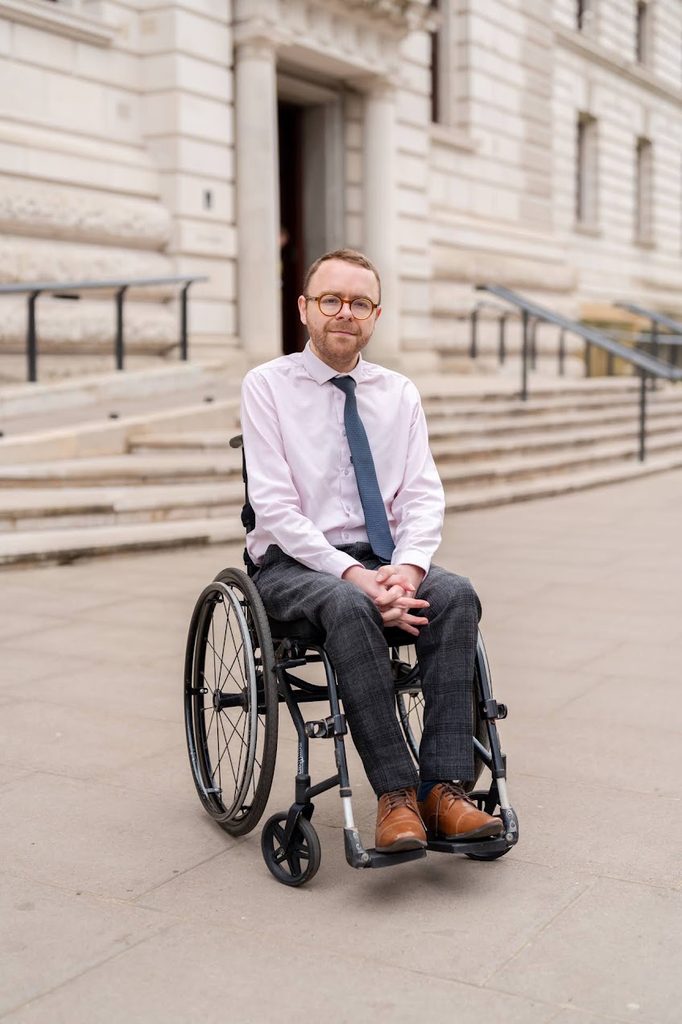
There have been days when I’ve had to miss important meetings because of my condition, and I used to feel guilty about it. I shouldn’t have. Since the pandemic, many more meetings have moved online, just as my fatigue was getting worse. That has helped my career: I’ve since been promoted into senior roles. Workplaces still have a long way to go, but they have come a long way too.
At home I live completely independently, thanks largely to my retired dad, who has adapted both my current home and my last one. My bungalow is step-free from the front door to the back garden, with wooden floors throughout, a lowered hob and a walk-in shower with a seat. Even the driveway matters: it needs to be flat so I can get straight from my front door into my car.
Getting around: independence is in the details
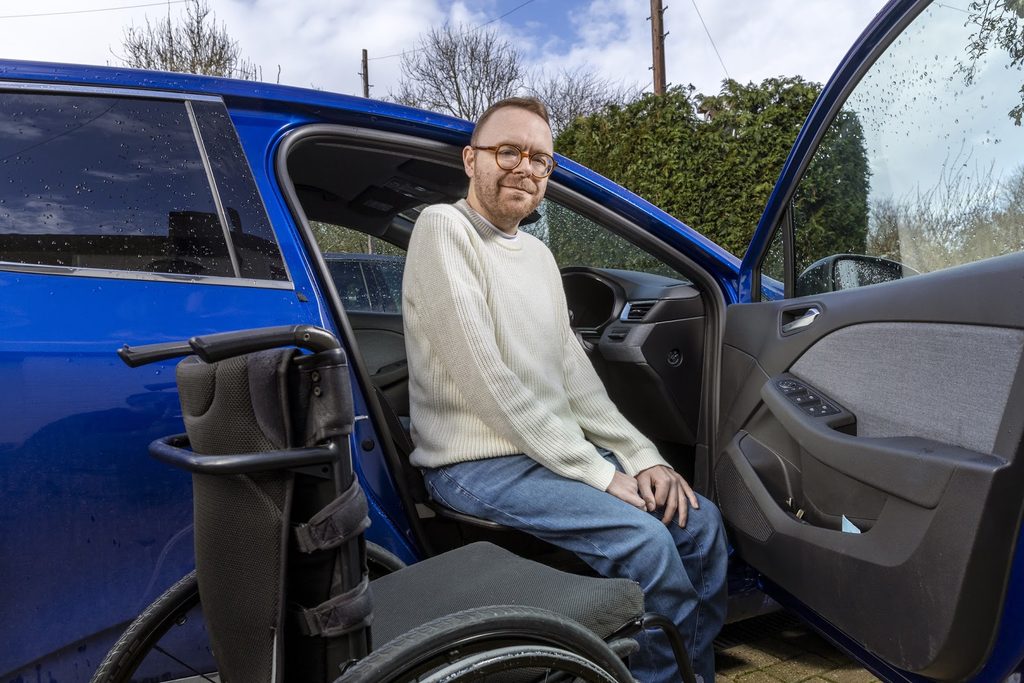
I had my first driving lesson a couple of days after my 16th birthday. An assessment found that the best way for me to drive was an automatic with one foot on each pedal. I still drive that way, with a transfer board to help me into the seat. There are far more adaptations available than most people realise, so I’d encourage anyone, whatever their disability, to get assessed.
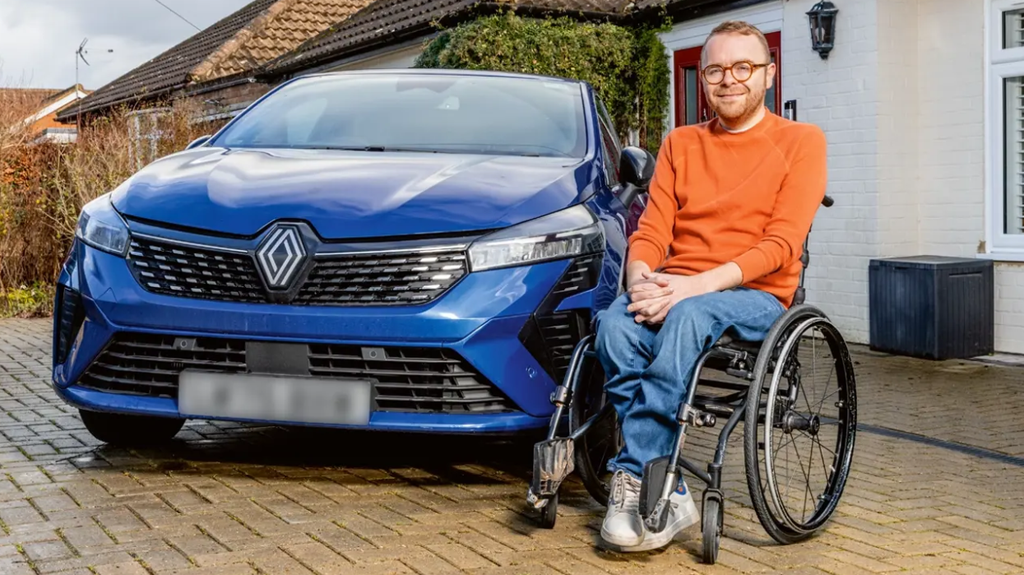
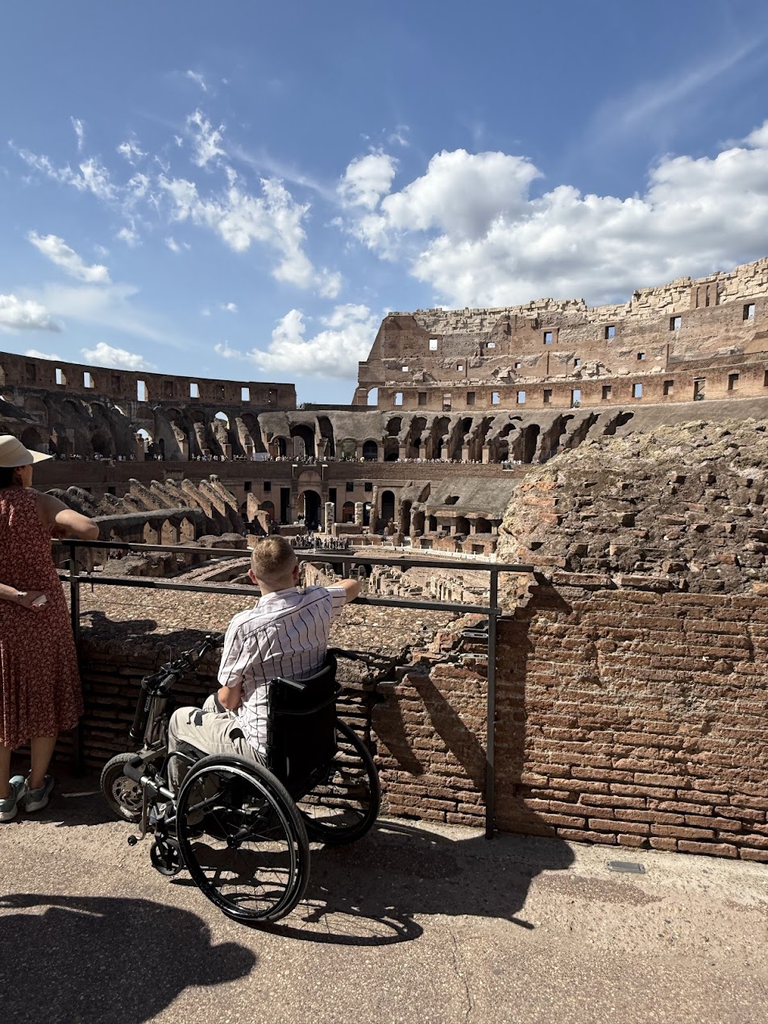
A powered attachment that clips onto my manual wheelchair has been a revelation. I was never able to ride a bike, so this freedom is new: in Paris, a 50-minute walk into the centre took 15 minutes.
The barriers I meet most often are features meant to be accessible that clearly haven’t been tested by disabled people. Accessible parking bays on sloping ground mean my wheelchair’s wheels roll away while I put the chair together beside the car. Accessible toilets vary hugely, and some are so small or so low that I can’t transfer. My arms are weak, so I can’t push myself up steep slopes. Dropped kerbs are built to very different gradients, so I can get down one side of a road, cross, and then find the kerb on the other side is too steep to get up.
Flying is the most unpredictable. I book the highest level of assistance, which means being lifted from my wheelchair into my seat at the aircraft door. Many trips go smoothly, but on one I was asked to leave my wheelchair at check-in three hours before the flight, and on another I boarded last to find my seat had been given away. My tips: leave plenty of time, have your equipment’s weight and measurements to hand, label every part of your wheelchair and ask staff what happens next. I love travel, and it shouldn’t be closed off to disabled people.
The care gap nobody talks about
From about 18 until my late twenties, I saw an SMA specialist roughly once every two years. At the time I didn’t feel overlooked: my condition felt stable and I didn’t think I needed much help. Looking back, more support then might have made a difference to my energy and abilities now.
In 2021 things changed. I had extreme fatigue, constant leg pain and trouble concentrating, and I felt out of control. My GP didn’t really understand SMA and, when I described the muscle aching and fatigue, asked me to complete a mental health questionnaire. That may have been useful, but it wasn’t the answer.
Things only improved when my care moved to a specialist neuromuscular centre, where I finally felt taken seriously. Around the same time treatment became available to adults like me, and I decided to start it. With it came regular contact with a specialist team: local physiotherapy, online Pilates sessions, a bone density scan, blood tests, regular assessments and breathing checks. I was being looked at as a whole person, not one problem at a time.
What strikes me is that this support arrived alongside treatment, not because the gap in adult care had closed. Good adult care at 20 should have looked a lot like my care as a child: regular check-ups, monitoring of my condition and someone asking what mattered to me day to day. Every adult with SMA should have that, whether or not they are on treatment.
What would make a difference
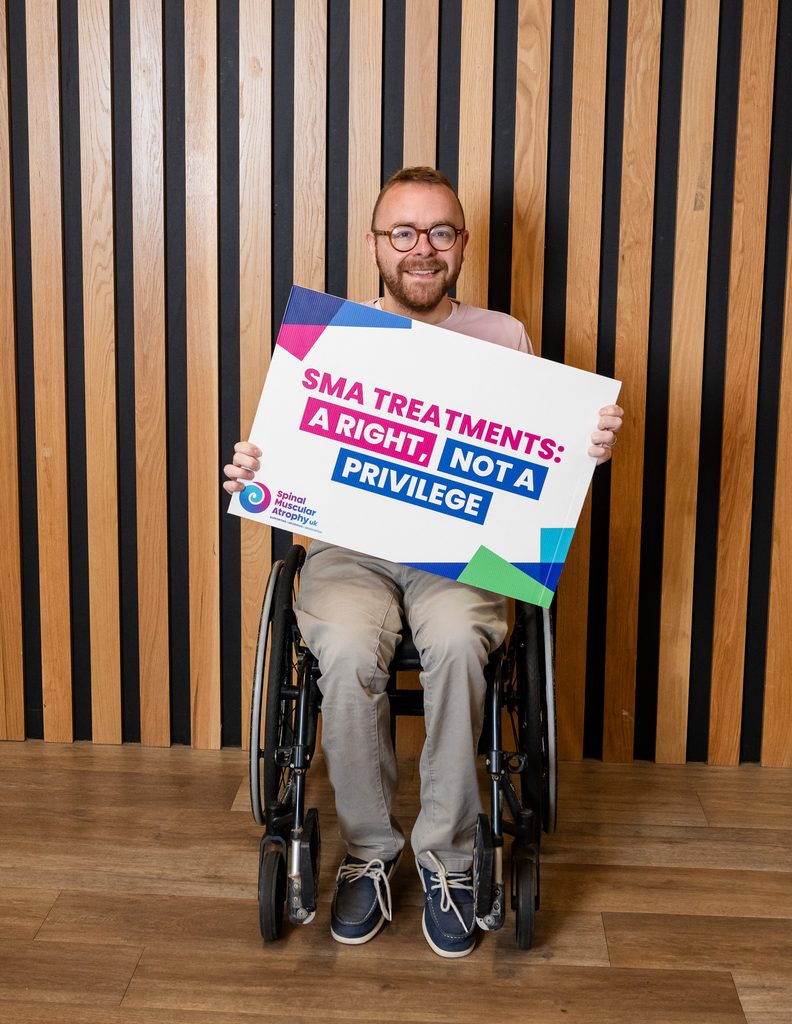
If I could change one thing, it would be for people with SMA to be seen as their whole selves, not just their condition: what matters to them, and what helps them take a full part in work, education and volunteering.
To a young person about to leave children’s services, I’d say try not to worry too much. There are excellent specialist centres, awareness has grown hugely and there are passionate doctors who work closely with the community.
What gives me hope is the research under way, and the strength and ambition of the SMA community and its charities, who always push to do more.
I’ve never set a limit on what I can or can’t do. I listen to my body, but I don’t let anyone else tell me what I can and can’t do, and I’d encourage everyone living with SMA to do the same.
About the author
Steven Jones lives with SMA type 3 and is a patient advocate. He sits on adult committees for SMA Europe and SMA UK and founded Disability Connect, which brings lived experience into workplaces.