Cracking the ‘mission impossible’ of hepatology
SPONSORED CONTENT
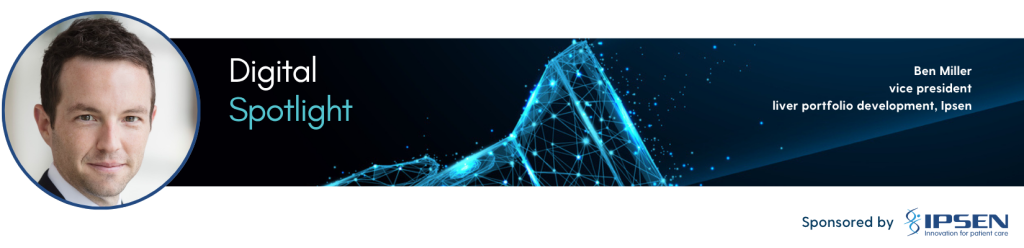
Ben Miller, vice president, liver portfolio development at Ipsen, explores the evolving landscape of rare liver diseases and shares why, despite the lack of approved treatments, there is real reason for optimism
Written by Rebecca Stewart, RARE Revolution Magazine
Interview with Ben Miller, vice president, liver portfolio development, Ipsen
The turning point for rare liver diseases isn’t a single drug or technology—it’s understanding. A shift from managing symptoms and monitoring for disease progression, to asking a far more ambitious question: how do we change the course of the disease itself?
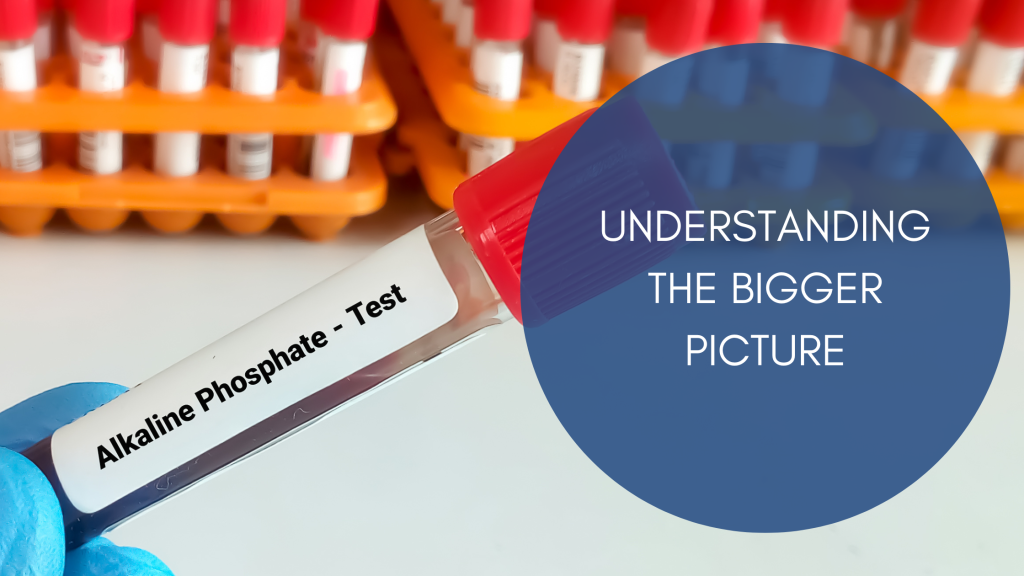
Ben Miller, vice president, liver portfolio development, IPSEN, uses the example of primary biliary cholangitis (PBC), a rare, chronic, progressive autoimmune liver disease that causes damage to the small bile ducts of the liver, to explain. “Many years ago, PBC was not well understood, and it was originally called primary biliary cirrhosis because patients were diagnosed very late and tended to have advanced scarring of the liver with a poor prognosis. But with improved understanding of the disease, diagnoses were made earlier, effective treatments were discovered, and the link between alkaline phosphatase (a liver enzyme elevated in PBC) reduction and improved transplant-free survival really revolutionised the treatment and outcomes for these patients.”
With the identification of alkaline phosphatase as a reliable surrogate biomarker, scientific insight quietly rewrote the rules. Once there was an agreed, measurable, clinically meaningful endpoint, the door opened to a wave of disease-modifying therapies allowing patients a longer, better quality of life. The lesson has been profound, Ben explains:
“Once we understand the disease and know what we can measure to see if therapies are actually working, that’s usually what unlocks breakthrough results.” As the understanding of other rare liver diseases catches up—including complex conditions like primary sclerosing cholangitis(PSC)—the same pattern is poised to repeat, turning today’s “mission impossible” into tomorrow’s standard of care.
Innovation in medicine is often said to follow unmet need, and so it is true in rare liver disease. With small, scattered patient populations, underpinned by complex and only partly understood science, at first glance, they might look like a tough commercial proposition. Yet this is exactly where Ipsen has chosen to invest.
At its core, Ipsen’s strategy is built on two convictions: deep expertise in rare disease development, and a clear, urgent unmet need that justifies the effort. Over the past years, Ipsen has built substantial in-house experience in taking rare disease drugs from concept to clinic to patient.
“We have a lot of experience in drug development in rare diseases, and we know that despite being rare the unmet need is significant.”

In rare liver disease, no single stakeholder can move the needle alone. The science is complex, populations are small, and the regulatory and practical barriers to running trials are high. Progress depends on collaboration between industry, specialist clinical networks, regulators and highly engaged patient advocacy organisations.
For Ipsen, that means working hand in hand with clinical experts, organisations such as ERN-(European Reference Network) RARE Liver, regulators and patient groups.
“In PSC where there are no approved treatments, the urgency takes it to the next level. Collaboration is critically important for everyone.”
But genuine collaboration at this level is only possible when there is whole-company buy-in. To do that confidently and constructively, every part of the company has to recognise that patient engagement is indispensable when done well. That shared understanding unlocks practical things: building patient feedback into protocol design, co-creating educational materials, and partnering on increasing trial awareness.Without that joined-up commitment internally, and those trusted partnerships externally, even the most promising science and innovation risks stalling before it can change lives.
Regulatory agencies exist to protect patients by ensuring new medicines are both safe and effective. But in rare, slowly progressive liver diseases, the very safeguards designed for common conditions can unintentionally hold back innovation. As Ben explains, “there may be a disconnect between what expert clinicians see as meaningful change and what regulators will accept as a proven, clinically meaningful endpoint.”
In many liver diseases, clinically meaningful outcomes include end-stage liver disease, transplant or death. These are measurable, but if waiting for only those events to prove benefit, the required trials become almost impossible: “trials would need to run for five, ten or even 15 years, often with a placebo arm that patients understandably may be unwilling to accept for such long periods” says Ben. The result is a bar that can be set very high, stifling innovation.
To bridge this gap, companies like Ipsen are investing in pooling clinical trial data across studies, supporting natural history studies and continually presenting emerging evidence to regulators to validate new biomarkers and surrogate endpoints. The goal is not to lower standards, but to evolve them so that trial designs remain rigorous and credible, without being so rigid that they make much-needed therapies infeasible to develop.
In rare liver disease, recruiting for clinical trials is rarely simple. The pool of potential participants is small to begin with; but layered eligibility criteria, geographical spread, and the demands of complex protocols, the number of participants who can take part shrinks further. That reality makes recruitment, awareness and education as critical to success as the science itself.
From Ipsen’s perspective, this is not just a recruitment problem but a two-sided challenge: how to design trials, and how to help patients and clinicians find and understand them.
On one side, trial awareness remains strikingly low.
“The reality is there’s still too many large pockets of the world where patients may not have access to a clinical trial, and patient education and awareness is something that we need to continue to focus on.”
On the other side, trial design itself can be a barrier. Long duration, frequent travel to specialist centres, invasive assessments and the possibility of being assigned to placebo all add to the burden. For patients juggling jobs, families and health needs, even a promising study can become unsustainable in real life.
Ipsen is responding on both fronts. The company is exploring hybrid trial models, seeking ways to reduce the need for in-person visits and bring elements of the study closer to patients’ homes. Protocols are assessed to quantify the “burden” for both sites and participants, prompting teams to remove or streamline procedures that add little value. Crucially, patient advocacy groups are invited to review protocols and the schedule of assessments in advance, providing direct feedback on what is acceptable, what feels excessive, and where flexibility is needed.Patient groups may also play a vital role in education and outreach: explaining what clinical research involves, helping patients weigh up participation, and amplifying news of new studies through their communities.

PSC is often described as the “mission impossible” of hepatology, and not without reason. While other rare liver diseases, like PBC, have seen real therapeutic progress, PSC has stubbornly resisted the same trajectory. At the heart of this lies one core issue: “we still don’t fully understand the pathophysiology of the disease”.
PSC sits at the crossroads of several tangled factors—genetics, the gut microbiome, the immune system and fibrosis. Whilst it’s known all of these are involved, it is still not known which comes first or how they drive each other. Most patients also live with inflammatory bowel disease, but the exact nature of that gut–liver link remains unclear.
That incomplete picture makes drug development far harder. In conditions like PBC, the field moved forward once a clear surrogate marker (alkaline phosphatase) was validated and linked to better long-term outcomes. In PSC, there is no universally accepted surrogate biomarker or endpoint that regulators and industry can rally around.
All of this means PSC has lagged behind in terms of approved treatments. But it doesn’t mean progress isn’t happening. Research into disease biology and basic science is accelerating, large natural history studies are underway, and multiple companies are now active in the space.
For PSC research, enrolling the right participants at the right time is also key. This means finding a sub-section of patients whose condition is not so advanced that treatment is unlikely to help, but not so early that meaningful change can’t be detected within the timeframe of a trial.
Finding the right balance for the clinical trials will be key in PSC.
Eligibility criteria are shaped to capture this middle group, where intervening may genuinely alter the disease trajectory. By combining smarter selection criteria with more patient-friendly trial designs and community partnerships, the aim is to ensure that the right patients can access the right studies at the right moment in their disease journey.

By 2030, Ben hopes to see a clear step change in the standard of care for people with rare liver diseases. That vision includes earlier more accurate diagnosis, broader education and awareness so patients are identified and treated sooner, and a new wave of approved therapies that improve survival and quality of life. Ipsen’s ongoing work is part of that hoped-for shift. More broadly, Ben sees rare liver disease “having its time in the spotlight,” with converging scientific interest, advocacy and investment creating a real opportunity to deliver better outcomes for patients within the next decade.
For patients and families living with rare liver disease, Ben’s message is simple but deeply felt: “hold on to hope”. He recognises how frightening it can be to hear of transplants, cancer risk, and the absence of approved treatments– and how easy it is to feel overwhelmed, uncertain or alone. But behind the scenes, there is a remarkable community of clinicians, scientists, advocates and industry teams who have chosen to dedicate their careers to changing that story. Progress may feel slow and uneven, but it is real: understanding is deepening, trials are opening and new data are emerging all the time. Staying connected to patient organisations, research and remaining engaged are not small acts—they are part of the momentum that is moving the field forward together and ensuring that innovative solutions spring from regulatory challenges.
Articles within this digital spotlight are for information only and do not form the basis of medical advice. Individuals should always seek the guidance of their medical team before making changes to their treatment.
This digital spotlight has been made possible with financial sponsorship by Ipsen.
RARE Revolution Publishing® retains all copyright.