What is CAR T and can an “immune reset” change the future of autoimmune disease?
CONTENT SPONSORED BY KYVERNA THERAPEUTICS, INC

CAR T-cell therapy (CAR T) is best known as a treatment for blood cancers. However, researchers are now exploring whether the same engineered cells could help people with severe autoimmune disease. But what is CAR T and, importantly, what isn’t it? Professor Dimitrios Mougiakakos, a haematology, oncology and cell-therapy specialist in Magdeburg, Germany, discusses the science, benefits and risks and the questions still to be answered
Written by Nicola Miller, RARE Revolution
Interview with Professor Dimitrios Mougiakakos, director of the Department of Haematology, Oncology, and Cell Therapy, Otto von Guericke University Magdeburg, Germany

CAR T-cell therapy (CAR T) has become synonymous with a powerful form of cancer treatment, particularly successful in the treatment of haematological cancers. But its potential is now being explored in a very different setting: autoimmune disease.
Professor Dimitrios Mougiakakos, director of the Department of Haematology, Oncology, and Cell Therapy, Otto von Guericke University Magdeburg, Germany, has spent a career working in cancer and immunotherapy, and in recent years has shifted focus to explore the potential of cell therapy for autoimmune conditions. The promise, he says, is not that CAR T is a universal cure; rather, for some patients, it may offer a way to interrupt disease-driving immune activity with favourable outcomes.
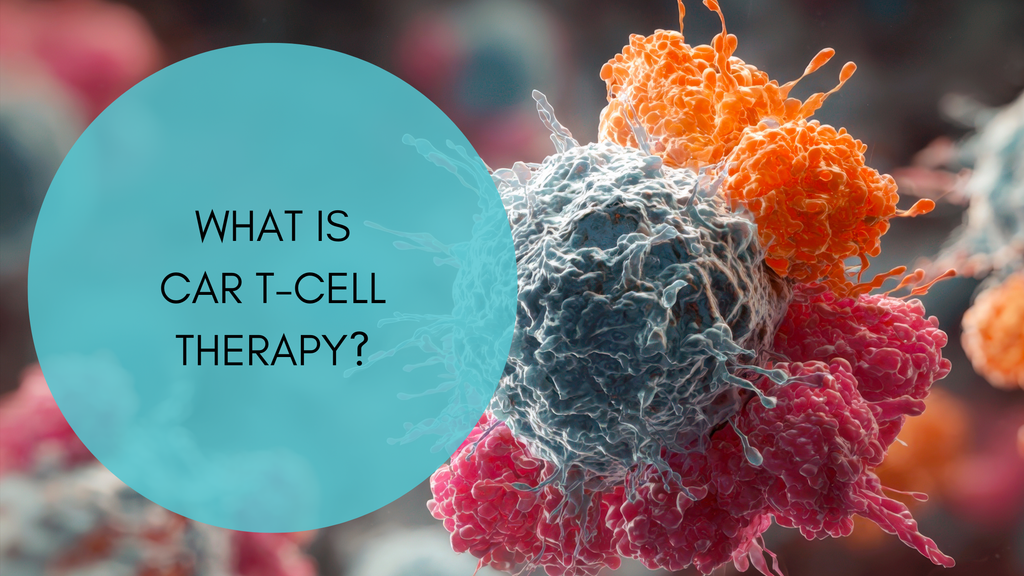
CAR T-cell therapy (short for chimeric antigen receptor T-cell therapy) is a type of treatment that uses a person’s own immune cells to target disease-causing cells.
- CAR (chimeric antigen receptor): A CAR is an engineered receptor that gives immune cells a new, precise ability to find and kill a specific type of diseased cell.
- T (T Cell): A type of white blood cell (also called a T lymphocyte) that helps the body fight infections and abnormal cells.
Source: Mayo Clinic
Normally, our body’s T cells (the immune system’s killer cells) identify abnormal cells through a recognition process Dimitrios likens to checking a “passport” and work to clear out these unhelpful cells as part of a natural process. However, some cells, such as particular cancer cells, can evade that process, making it harder for the immune system to find and eradicate them.
CAR T cells are engineered with a chimeric antigen receptor (CAR) that combines T-cell machinery with an antibody-like ability to recognise proteins on the target cell’s surface. This can help them spot and kill cells that might otherwise evade the immune system. The receptor is not naturally found in the body. It is designed to recognise a structure on the surface of a target cell, enabling the T-cell to attack without relying on the usual signals that may be hidden or absent. The result, Dimitrios says, is that “invisible tumours turn visible”.
In oncology, CAR T-cells are used to target malignant cancer cells, including B-cell-derived leukaemias and lymphomas.
In autoimmune applications, the same target is found on B cells, including those that help drive illness—for example, by producing autoantibodies or sustaining inflammation. The CAR T-cells can profoundly remove B-cells even deep within tissues, and researchers hope this “deep B-cell depletion” may allow the immune system to return in a healthier state—what Dimitrios refers to as an “immune reset.”
The aim is not to suppress every part of the immune system continuously, but to remove a particular cell population that may be contributing to disease.
That outcome is very promising and work is still ongoing to understand who might benefit the most.
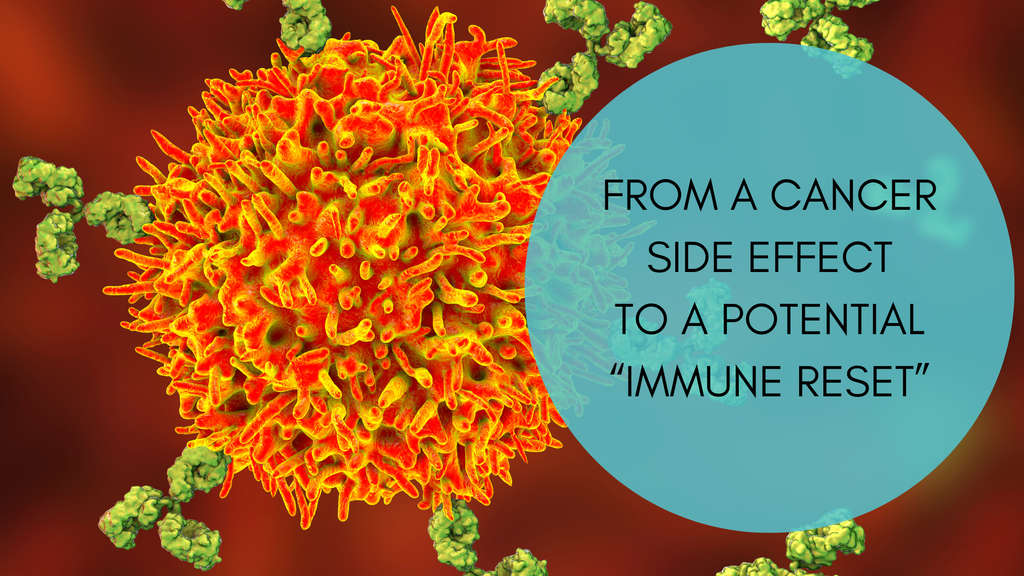
The shift towards autoimmune disease grew out of an observation in cancer care: CAR T treatment can deplete normal B-cells as well as malignant ones. In oncology, this is an accepted consequence of targeting B-cell cancers, and immunoglobulins are produced by normal B cells to keep the body healthy.
Dimitrios and his rheumatology colleagues began asking whether that same B-cell depletion could be used deliberately against autoimmune disease. As he put it, “can we just take the side effect and turn it into a disease-fighting process and therapeutic principle for autoimmune disease?”
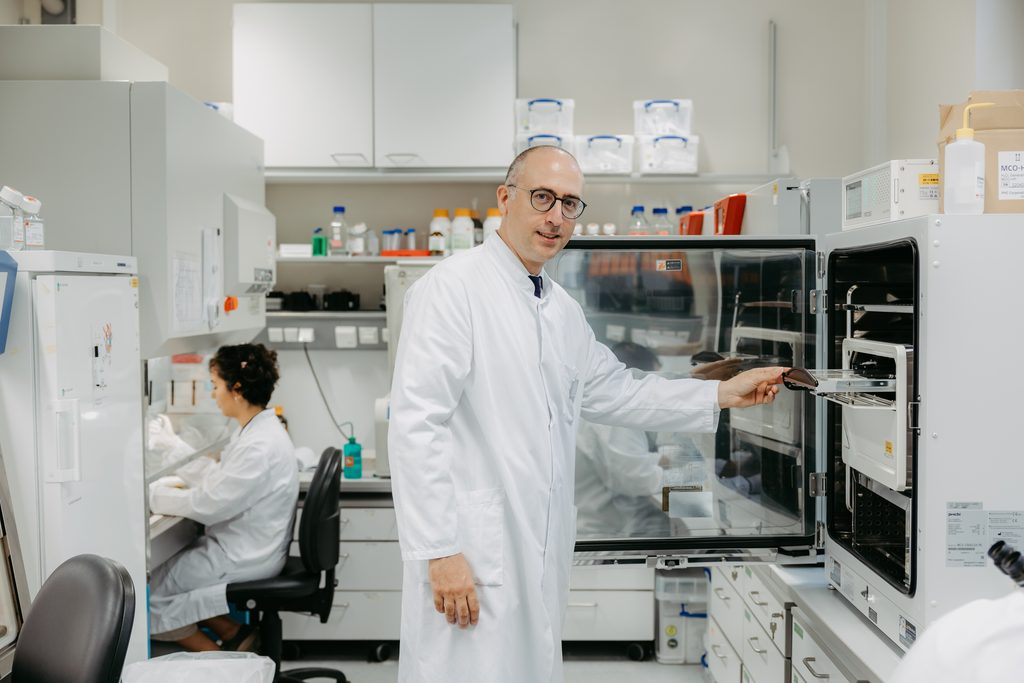
One early example was a young woman with severe lupus who had not responded to available treatments. After receiving CAR T-cells, she entered treatment-free remission. Dimitrios shares that she remained free of detectable disease activity more than five years later, despite her B-cells returning a few months post-treatment.
The research community describes this as an “immune reset”. While this case cannot establish what will happen for every patient, it does illustrate why the field has attracted attention. Such cases do not amount to a guarantee of similar results, but what they do show is merit in the exploration of CAR T beyond the sphere of oncology. Importantly, accumulating clinical data across multiple autoimmune disease indications suggests that CAR T-cell therapy has the potential to drive a deep and durable immune reset.
Although initially developed in oncology, the treatment goals are not the same in cancer and autoimmunity. Dimitrios compares the difference in the amount of target material to “a basketball and table tennis ball”. He suggests that the smaller “table tennis ball” target-cell burden in autoimmune disease could help explain why the toxicity profile has so far appeared more favourable than in blood-cancer treatment. But he stresses that this remains an emerging observation, not a settled explanation or a guarantee of safety. The specific design of the CAR T also plays a role, as not all CAR T are created the same.
The desired duration of CAR T-cell activity may also differ. In cancer, clinicians have often aimed for engineered cells to persist and keep the malignancy under control. In autoimmune disease, Dimitrios says, “it seems to be enough to have three to four months of activity,” after which the cells may wane, and B-cells return without the disease returning—a hypothesis with growing supportive evidence from a number of companies with autoimmune CAR T therapies in development.
This knowledge may also change how future treatments are designed. Dimitrios says researchers are beginning to ask whether autoimmune patients need the same preconditioning chemotherapy used to support CAR T-cell expansion in cancer. Trials are already exploring approaches without it.
To learn more about how CAR T-cell therapy works and is administered, click HERE

The phrase chemotherapy conditioning can evoke an image of the intensive treatment associated with cancer or transplantation patients. However, in the conventional approach for autoimmune applications Dimitrios describes, conditioning is a short course, low-dose of chemotherapy given before the CAR T-cell infusion, which he describes as a “light regimen that can be given in an outpatient setting”. The one-time infusion of CAR T-cells itself is “totally non-spectacular”.
Depending on the protocol and the patient’s circumstances, the broader process may include a hospital stay for monitoring; Dimitrios describes a conventional close monitoring period lasting around two weeks, while noting that some protocols can be shorter and outpatient trials are underway, further reducing the burden on patients and families. He emphasises: “It’s not like stem cell transplantation. It’s not comparable at all”.
It is important to note that there is not a complete absence of risk. CAR T-cells activate the immune system and can trigger other cells to release inflammatory mediators. Dimitrios says that, clinically, severe inflammation better known as cytokine release syndrome can resemble sepsis, with fever, a rapid heart rate and falling blood pressure; in some cases, it can be life-threatening. He is careful to acknowledge reports of deaths and said those events need robust investigation to understand their causes and reduce future risks.
Other notable risks are neurotoxicity such as ICANS (immune effector cell-associated neurotoxicity syndrome), or prolonged cytopenias (lower than normal blood cells). Dimitrios’s comparison with cancer is qualitative: he says autoimmune patients have so far appeared to have a lower risk and, when side effects occur, often milder. However, he is clear that researchers need better biomarkers to identify patients at higher risk and that greater work is needed to fully understand the risk profile in autoimmune patients.
To manage these rare but potential risks, follow-up care includes close monitoring of immune status and preventive treatment when particular immune-cell populations are low. Dimitrios describes weekly visits during the first two months, followed by monthly check-ins, then at least annual follow-ups after two years. Because the cells are genetically engineered, patients are followed for at least 15 years, which will provide long-term data over time and further fill in some of the unknowns of today.

There is not yet a clear profile of the ideal candidate. But what is clear is that CAR T is not a “silver bullet for all”. A strong B-cell contribution to a disease may make CAR T worth investigating, but researchers have not yet developed reliable biomarkers to predict who will benefit most. Nor are all conditions equally promising. However, Dimitrios points to encouraging results in lupus, stiff person syndrome, myasthenia gravis and systemic sclerosis, for example, while noting that the latter remains more of a clinical challenge. He was particularly struck by the improvements seen in neuromuscular conditions such as myasthenia gravis, recalling patients who arrived at the clinic in wheelchairs and later walked out independently.
So far, the treatment has been considered only in severe cases, often after multiple other therapies have failed. Timing matters. CAR T may halt active disease, but it cannot necessarily reverse damage that has already become permanent. “When the organ is gone, you cannot bring it back,” Dimitrios explains. That makes earlier intervention an important future question, particularly where delaying treatment could mean irreversible organ or neurological damage. Dimitrios expects the field to build experience first, then examine whether earlier treatment can better preserve function and quality of life. For now, CAR T remains investigational in autoimmune disease, with numerous late-stage clinical trials underway, and decisions about its use need to weigh the possible benefits against the risks.
Nor should “drug-free remission” be treated as another way of saying “cure.” The science has not yet established how durable remission will be across different conditions. Some patients may relapse, requiring retreatment; or a different target may be considered in certain cases.
As researchers gather more data on durability, safety and patient outcomes, they will be better positioned to determine not only who may benefit from CAR T-cell therapy, but also when treatment could have the greatest impact.
Conventional CAR T manufacturing is complex: cells are collected, modified and expanded before being returned to the patient. Dimitrios points to two emerging directions that could ease some of those logistical and cost barriers. One is healthy donor-derived, or allogeneic, cell therapy, in which cells from a single donor could potentially be used to treat 100 or more patients. The other is an in vivo approach, intended to deliver genetic instructions in a nanoparticle, so that CAR T cells are generated inside the patient, without the need to manufacture the cells in a laboratory. Both approaches are being evaluated in clinical trials.
The prospect is significant: reducing the need for specialised cell production and transport could make treatment simpler and potentially less expensive. But Dimitrios is careful not to equate lower cost with universal access. The approach may be “cheaper, but not cheap”, and affordability, safety, infrastructure and equitable availability will remain challenges.
The progress of CAR T-cell therapy in autoimmune disease is opening up new possibilities for patients who have historically relied on long-term immunosuppressive treatments to manage their conditions. Across multiple diseases, clinical results have demonstrated the potential for profound and sustained responses. These outcomes are helping reshape expectations for what treatment could achieve—not simply controlling symptoms but potentially resetting the immune system and delivering durable disease control.1
Dimitrios believes there are over 200 active trials and over 300 patients who have been treated in different centres around the world, although there is no definitive published data. As he puts it, “We have achieved a lot. But we still have a lot to learn”.
References
[1] Reference support: Schett G, et al. Lancet. 2023; 402:2034-2044.
Articles within this digital spotlight are for information only and do not form the basis of medical advice. Individuals should always seek the guidance of their medical team before making changes to their treatment.
This digital spotlight has been made possible with financial support from Kyverna Therapeutics, Inc.
Kyverna Therapeutics, Inc. have had no editorial control over the copy, and all opinions are those of the contributor.
RARE Revolution Publishing® retains all copyright.