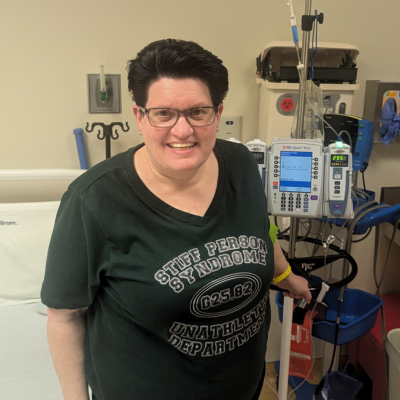
Navigating the burden of “treatment cycling”
CONTENT SPONSORED BY KYVERNA THERAPEUTICS, INC

In hard-to-treat, rare autoimmune diseases, patients like Katie Coffman and Allison Foss can find themselves in an endless loop of treatment trial-and-error, often referred to as “treatment cycling”. For those with a chronic illness, this can mean decades of uncertainty and discomfort. It often places the role of advocating for something better squarely on the shoulders of the individual and the organisations supporting them
Written by Nicola Miller, RARE Revolution
Interview with Katie Coffman, patient advocate, and Allison Foss, executive director, Myasthenia Gravis Association (MGA)
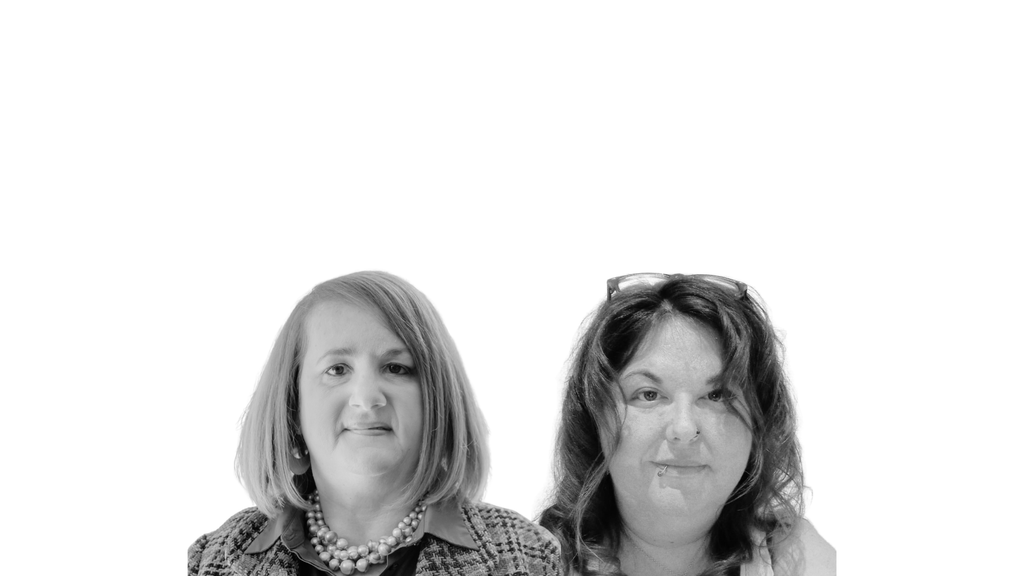
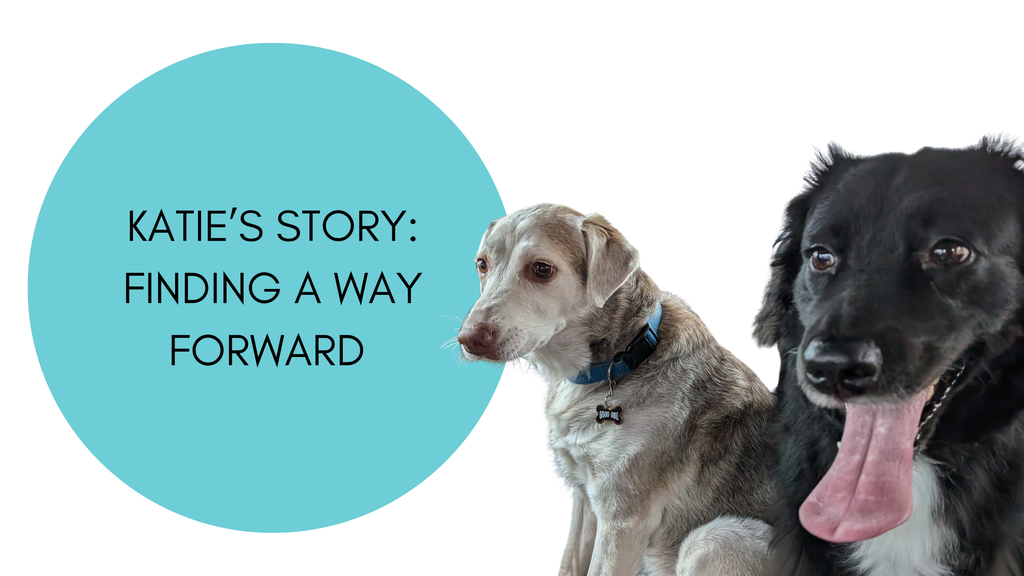
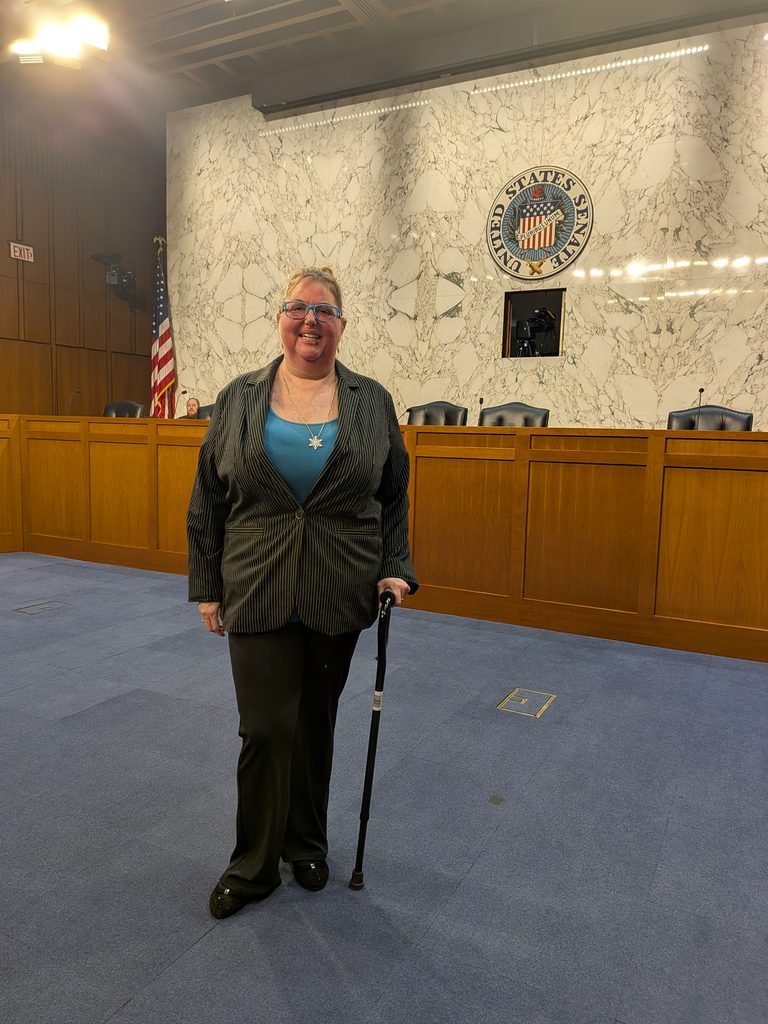
Katie Coffman (37) lives in Iowa, USA, where she loves spending time with her two dogs, Cassiopeia and Andromeda, as well as reading, listening to music, cooking and talking and laughing with her friends. But what most people do not see of her life are the battles she faces beneath the surface.
Diagnosed with myasthenia gravis (MG) at just 19 years old, Katie has endured the physical and emotional burden of endless “treatment cycling” in the quest to bring her disease under control.
“It started slowly with just difficulty speaking, swallowing and thick saliva. I didn’t think much of it at first, but I also didn’t have insurance to get it checked out. Eventually, I went to see a primary physician, but they weren’t able to figure out anything. A little while later, I went to the ER (emergency room)—again, nothing. No answers.”
As her symptoms intensified, everyday activities became increasingly difficult. By the time she was referred to a neurologist, Katie had lost more than 100 pounds and her job.
“I was having difficulty keeping my eyes open and my head up. Even breathing was hard. Once the neurologist saw me, he said immediately that he thought it was MG, which, of course, I’d never heard of.”
After a Tensilon test, which is a diagnostic procedure that is rarely used anymore and no longer available in the US and several other countries, and blood tests to check for three associated antibodies, Katie waited. “My results came back as extraordinarily high for all three.”
This is when Katie’s journey with treatments began.
She would soon learn that managing MG wouldn’t be a simple, single-fix journey, but rather an evolving, long-term process of treatment trial-and-error. Katie recalls, “That was a difficult moment, especially because I was fairly young. I’d been told there wasn’t a cure, but for some reason I thought, ‘We have a name for it, now we can make it go away’ ”. Katie learnt through hard-won experience that this would not be the case.

Severe myasthenia gravis (MG) is defined by profound unpredictability, where “muscles that function in the morning may completely fail by afternoon”. Simple routines require careful calculation—for Katie, this means taking steroids first to regain enough muscle function to swallow other medications so “they don’t get stuck in my throat”. Basic daily activities, from speaking clearly to lifting one’s arms or holding up one’s head, fluctuate constantly based on daily symptom burden.
Beyond the physical limitations, living with severe MG carries an invisible social and emotional toll. A significant amount of effort goes into hiding symptoms in an attempt to mask the impact of the illness. Katie is candid: “I spend more time and energy trying to fake being okay than I do trying to convince anyone I am sick.”
Self-advocacy is also an ongoing daily toll, as Katie tries to remove barriers while fighting fatigue and fluctuating symptoms. Requesting necessary modifications when feeling unwell is “extremely hard, to the point it’s nearly impossible,” because a weakened voice and severe exhaustion make speaking up overwhelming.

Many individuals with severe MG cycle through multiple treatment approaches—from high-dose steroids and traditional immunosuppressants to frequent intravenous immunoglobulin (IVIG), plasma exchange (plasmapheresis) or newer biologics. Katie, who lives with refractory MG—meaning it is non-responsive to standard therapeutic approaches—has found this to be true.
In clinical settings terms like “refractory” or “treatment-resistant” are frequently used to categorise non-responsive MG, but those words carry deep personal weight.
Katie shares, “It hits hard when you have hope, and the treatment ends up not working the way you wanted.” She adds, “It’s okay to sit and feel that sadness, but it’s equally as important to get back and try to find something else. A new medication. A new way of organising your activities. A hobby that requires less of the muscles you can’t use as well. Sometimes the happiness that can come from that can help you process the pain of a treatment not working.”
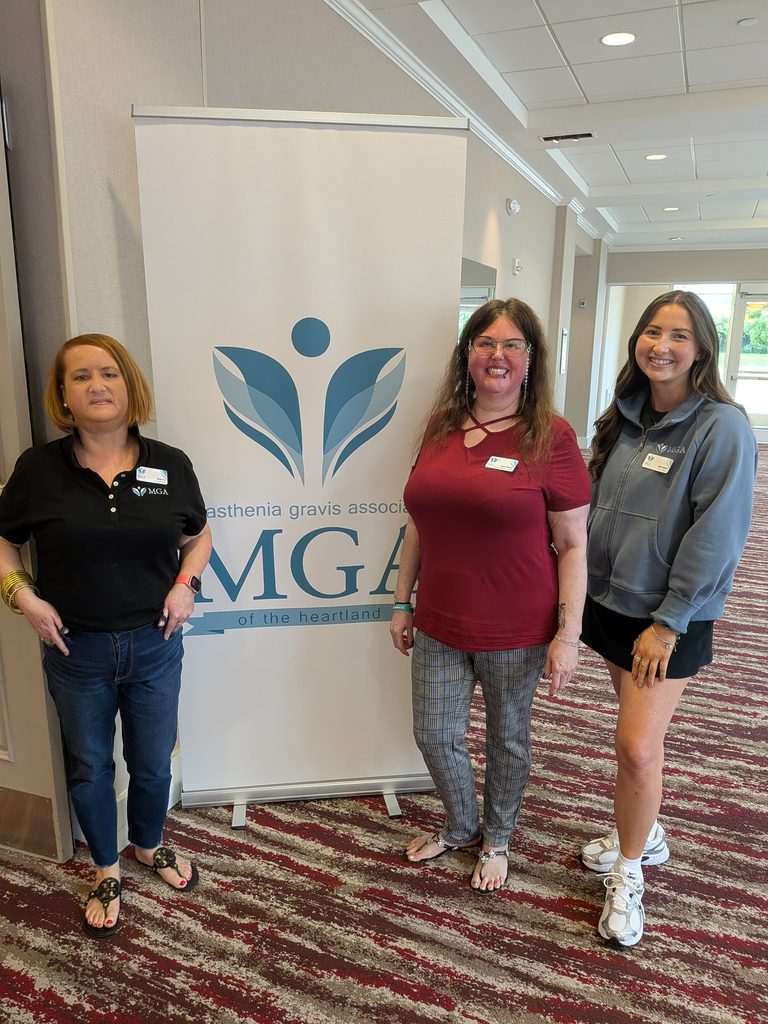
“Talking with others can help too. I’ve found the friends I’ve made through MG Facebook groups and other events to be such a blessing. I don’t have to explain my symptoms to them.”
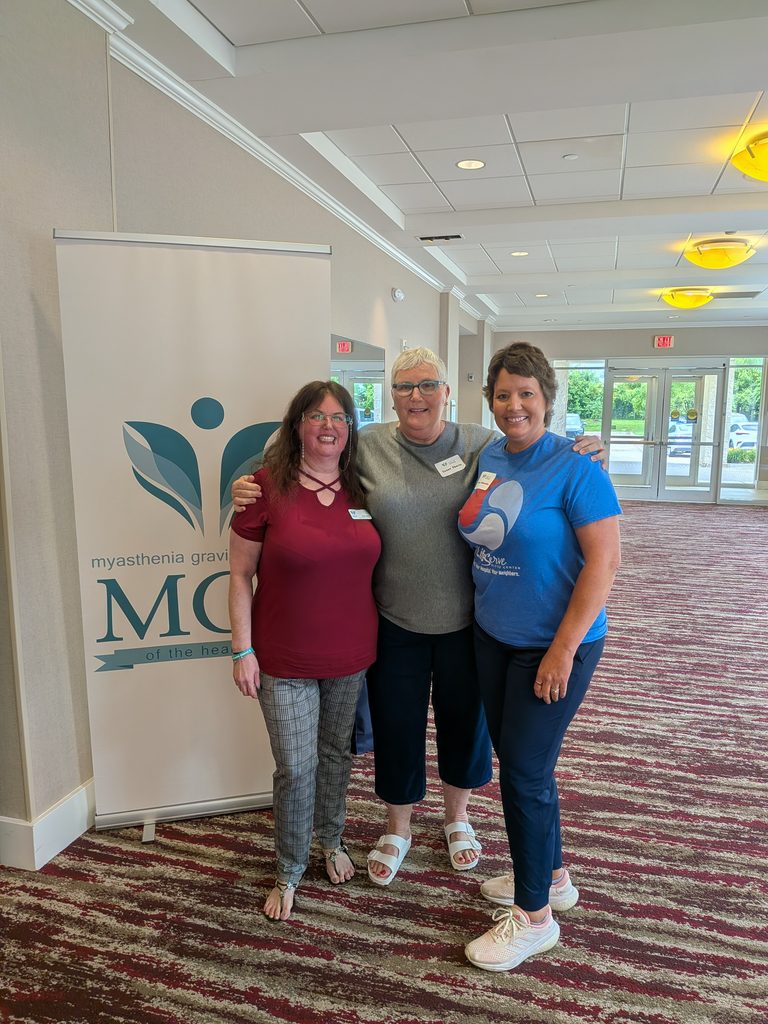

Katie describes the uncertainty a new treatment could bring, “We’d try a treatment, and I’d try to power through the period of weakness, because I was always hoping, ‘Okay, this is it. This is the one that will help.’ But largely it wasn’t, and it didn’t help.”
Eventually, she ended up with regular plasmapheresis as a “maintenance schedule”, typically once a week. Sometimes just once a month—though the frequency varied.
Katie is keen to point out that it isn’t just the emotion attached to this trial-and-error approach—it’s also living with the associated side effects of each one.
“Sometimes the side effect of a medication is just as bad as the medication itself”. Then there is fear—“The fear of stopping a medication and trying a new one, not knowing if it will work or if it won’t and you’ll end up in the hospital”.

Beyond ongoing symptom management, there is a substantial administrative and logistical burden—frequent clinic visits, infusion schedules, side-effect management and insurance navigation. Over time it is a treatment footprint that impacts on daily independence, career and personal relationships.
Katie shares, “It’s made me realise that whatever job I do, I need to have a lot of freedom and agency so that on days when I’m not feeling well, I can carry a smaller workload. This includes setting my own hours to avoid schedule conflicts with treatment demands.”
Not getting a treatment or outcome you expected can be incredibly difficult, as Katie shares. “It impacts my ability to work. Sometimes it impacts my ability to do the day-to-day things, like essential errands and grocery shopping—meaning I have to constantly find ways to work around it.”
Personal relationships can also be affected: “I value being dependable and keeping my word, but on the other hand, cancelling last minute due to the MG is somewhat common.”
“In the beginning of the treatment journey, I lost a lot of friends because I couldn’t do what everyone else was doing. I was really self-conscious of my inability to carry out conversations with others because of my weakened voice. It was very easy to become isolated. Today, my friends are incredibly understanding and accommodating.”


The landscape of targeted MG treatments is advancing faster now than ever before. Having navigated past treatment disappointments, managing the balance between hope for novel therapeutic options and self-protective scepticism is a delicate balance.
“I look back at the journey my MG has taken me on, and I think it speaks for itself. But there’s always hope. Sometimes it’s just a speck. Other times, it’s an ocean. It depends a lot on what you decide to focus on. Focusing on the positive isn’t a bad thing, as long as you still acknowledge the unknown, and remain balanced. Science is always evolving, and we’re always coming to understand more and more. I like to proceed ‘cautiously optimistic’, as my friend calls it.”
Through Katie’s own lived experience, she’s clear about what she wishes drug developers, neurologists and healthcare systems understood about what “meaningful relief” truly looks like from a patient’s perspective.
“Not every patient is going to care about being able to do the same things. Having a chronic illness shouldn’t mean that we can’t also live our best lives. If one person values reading, but their ocular symptoms aren’t being controlled, even if every other symptom is controlled, that person won’t be happy. So, it’s of paramount importance to listen to the patient and understand what they want from their lives—what looks like quality of life to them.”
Katie also cautions against the detrimental effect of costly treatments on the patient community. She shares, “The financial cost of medication can be a giant barrier to treatment. Having a high-cost drug can make something just as inaccessible as not having it developed at all.”

For Allison Foss, executive director of the Myasthenia Gravis Association (MGA), understanding MG starts with recognising how differently it affects each person—and how much symptoms can change from day-to-day. Allison, a patient herself, was diagnosed at five and has lived with the condition for more than 40 years. Even her own experience varies: on some days fatigue can keep her from plans; on others, she is active and fully engaged. That unpredictability, she says, can make it hard for people with MG to be understood or believed, and that in turn adds to the challenges and burdens of treatment.
It reaches beyond physical symptoms—work may be possible for one person but out of reach for another. Even someone who can maintain a career may have to give up time and energy elsewhere. Like Katie, Allison has described cancelling social plans after an exhausting week of work and travel. Supportive relationships matter, she says, as does giving people room to have different limits rather than comparing one person’s experience with another’s. She calls MG a “snowflake disease” because much like snowflakes, no two people are alike.
From the association’s (MGA) perspective, patients also face gaps in care. Allison points to challenges identifying antibody types, limited access to neuromuscular specialists in some regions and insurance requirements that can force people to try older treatments before newer options are covered. Those barriers can add uncertainty to an already demanding illness. This can add a layer, mirrored in Katie’s experience, where patients are put through—often unnecessary—treatment cycles due to lack of access to more effective therapies. She notes that “some newer therapies may be less invasive, and being able to move to them without first going through treatments such as IVIG or plasma exchange can reduce the treatment burden and would certainly be better for mental health and emotional wellbeing”.
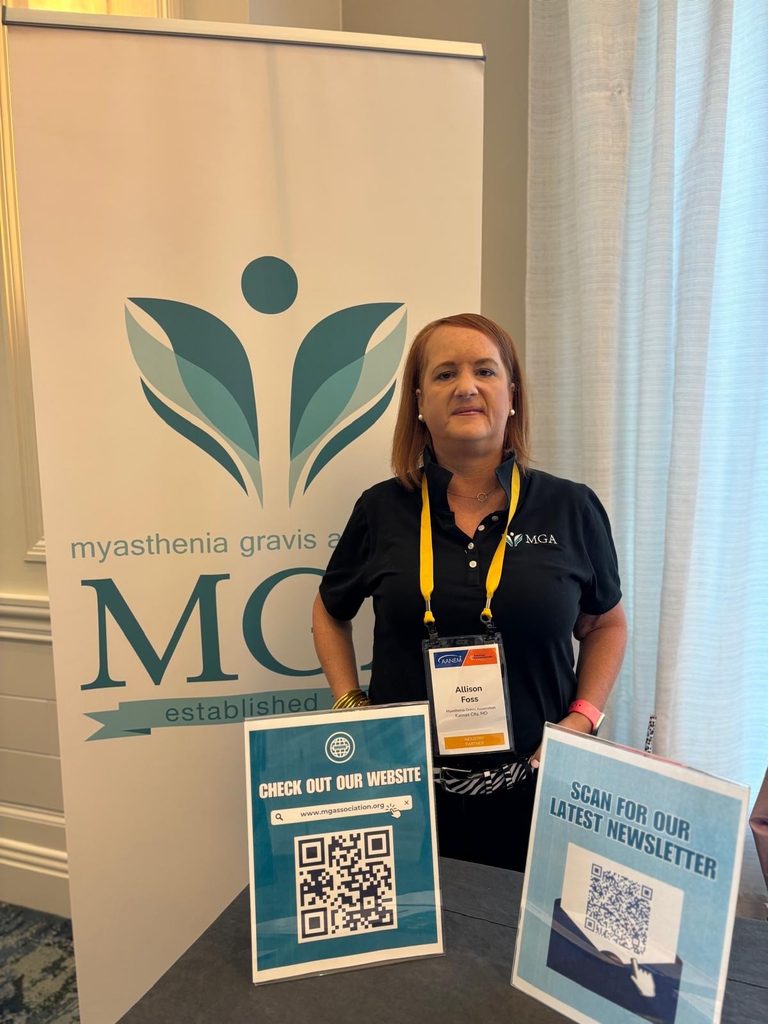
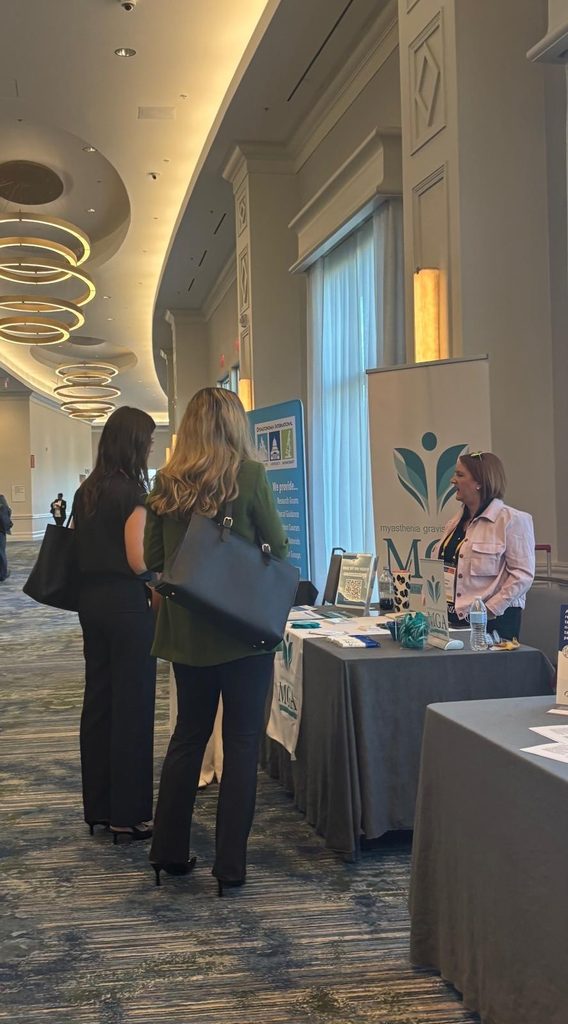
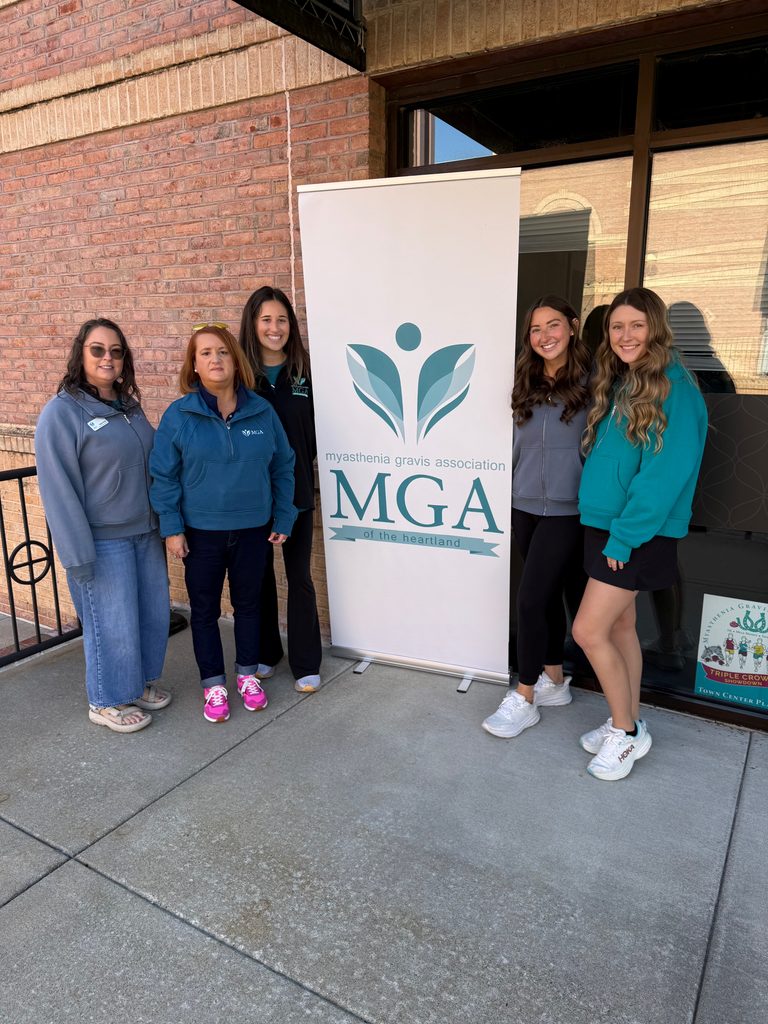
Allison knows the toll of treatment from personal experience. Before newer therapies became available, she went through treatments considered effective for her form of MG, including high-dose prednisone during childhood and, later, monthly plasmapheresis. She says the prednisone caused lasting physical damage, and she experienced serious complications from plasmapheresis. Her experience underlines her concern about the risks of making patients move through treatment steps without considering the physical and emotional cost.
MGA helps patients access support and information, but Allison stresses that each person’s needs and treatment decisions are individual. Her message to people living with MG is to be patient, seek understanding from trusted people and avoid measuring their own experience against someone else’s.
By helping patients understand their options and ask informed questions, advocacy groups like MGA can support conversations about the care best suited to each person—and help reduce the cumulative burden of navigating treatment over a lifetime. They also bring the patient perspective to clinicians, policymakers and industry, helping ensure that individual experiences inform improvements across the care landscape.
Advancing clinical trials offer cautious optimism for new MG therapies and better disease management that might one day end the burden of treatment cycling.
For patients like Katie and Allison, true progress means accessible, affordable treatments tailored to their individual needs and daily lives. Throughout all, patient perspectives must remain central. Continued research, personalised care, and strong advocacy are essential to improving overall quality of life.
Articles within this digital spotlight are for information only and do not form the basis of medical advice. Individuals should always seek the guidance of their medical team before making changes to their treatment.
This digital spotlight has been made possible with financial support from Kyverna Therapeutics, Inc.
Kyverna Therapeutics, Inc. have had no editorial control over the copy, and all opinions are those of the contributor.
RARE Revolution Publishing® retains all copyright.