20 Years of SMA Europe: From firefighting to future-building
Twenty years ago, SMA Europe was a handful of volunteers funding research from kitchen tables. Today it celebrates its 20th anniversary by leading a 5th International Scientific Congress on Spinal Muscular Atrophy—a 1,000-strong international event, shaping a multi-therapy future for people living with SMA. We reflect on its origins, barriers still to overcome and the success of the recent event.
Written by Nicola Miller, RARE Revolution Magazine
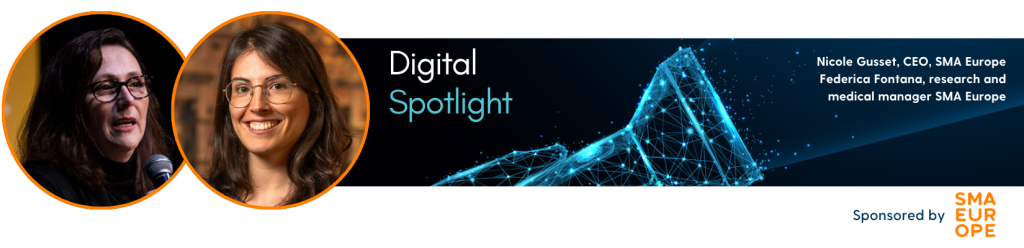
Interview with Nicole Gusset, CEO, SMA Europe and
Federica Fontana, research and medical manager SMA Europe
SMA Europe was born from urgency. Families across Europe, facing a devastating rare disease with no treatment in sight, pooling their strength. “We had just one goal—a treatment,” reflects Nicole Gusset, CEO of SMA Europe.
For many years it ran on pure volunteer power. “We were very agile—but we were also doing this classical work of firefighters,” Nicole says.
As the first SMA clinical trials emerged and regulatory conversations with bodies like the EMA (European Medicines Agency) began, the pressure on this volunteer engine became unsustainable. In 2020, SMA Europe made a decisive shift: from a network of volunteers to a staffed organisation with the capacity to match its goals.
Today, SMA Europe has seven staff, including Nicole in a full-time leadership role.
The cultural shift has been just as significant as the operational one. SMA Europe has gone from an emergency-driven, treatment-or-bust mindset to a strategic one as Nicole reflects.
“To be successful, you need to invest in building the community, in research, in discussions with healthcare professionals on treatment and access and in bringing in the industry perspective. The feedback we’re getting tells me we are on the right track.”
This evolution mirrors seismic shifts in research focus, as Federica Fontana, research and medical manager, shares: “In just two decades we’ve moved from trying to understand the basic biology of SMA to delivering truly transformative, disease-modifying therapies—and now to exploring combination approaches that recognise SMA as a complex, multi-system condition across the whole lifespan. All made possible by a constant dialogue between researchers, clinicians, industry and the community. That keeps the science ambitious and firmly grounded in the real needs of the community.”
For both Nicole and Federica, there are many stand out achievements over the last 20 years, but this move from basic biology to disease-modifying therapies is without doubt transformative. Alongside that success sits the creation of this global, patient-driven research ecosystem that keeps progress fast, collaborative and firmly rooted in the real needs of the community.
With three disease-modifying therapies now available and early-treated children showing remarkable outcomes, SMA is often heralded as a beacon of success—in large part due to the preceding 20 years of drive by SMA Europe. But Nicole is adamant that this is only part of the story.
“SMA is not yet cured. We have treatments. They work well. They stabilise people. They have great success in very young children. But there is work still to be done.”
This means staying firmly invested in fundamental and targeted research while also confronting the growing access gap in Europe and beyond. Nicole adds, “Access is national, so there are limits to what we can do. But we build capacity and provide tools so our community can be successful advocates on the ground.”
Access, in SMA Europe’s framing, is more than a drug reaching market. Nicole emphasises. “It’s access to timely diagnosis, treatment and care—a package that has to be available no matter where you live.”
For Federica, access is also about solutions for all, regardless of age and disease stage, “With newborn screening (where available) now transforming outcomes for babies largely treated before symptoms appear, research must focus also on those diagnosed later in life, looking at long-term outcomes, why some people respond less fully to current therapies, and how add-on or combination approaches can still significantly improve function and quality of life.”
Central to two decades of SMA Europe is their ability to listen. Most recently this was reflected in their EUPESMA (European Patient Experience Survey in SMA) series initiative—large-scale community surveys capturing their expectations and unmet needs. “(Our last survey showed that) The community is very open and wants additional treatment options,” Nicole explains. “That again links back to ‘SMA is not yet cured’. Obviously there remains a need.”
Rather than a single dominant problem, the survey surfaced multiple equally pressing domains such as, among others, musculoskeletal health, respiratory health, metabolic and nutritional health, and fatigue and endurance (physical and mental), including how best to optimise current therapies. “We want to give people the best possible options from which they can select,” says Nicole. “It shows there is no one experience here—and no one single answer.”
This listening and creating options underscores SMA Europe’s transformation to date.
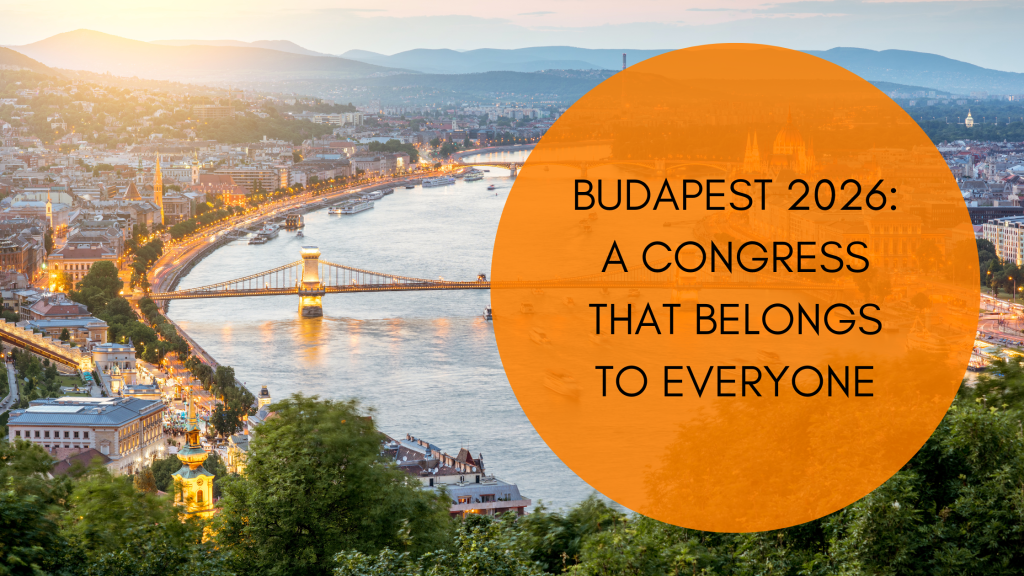
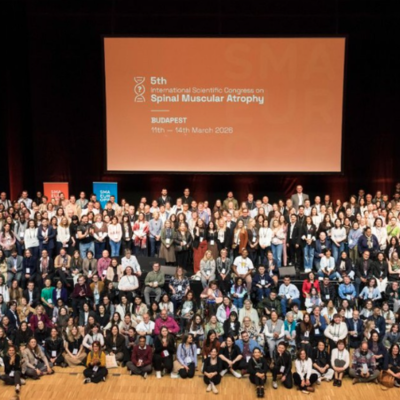
Arguably, nothing showcases SMA Europe’s transformation better than the 5th SMA Europe International Scientific Congress on SMA, held in Budapest in 2026, where more than 1000 attendees came together on one site. “It’s all in person. It’s very vibrant,” Nicole says. “For me, this is really our flagship activity. Bringing together not only the content, but the people from across the globe, which is key.”
The “truly multi-stakeholder DNA” sets this event apart. Fundamental researchers, clinicians, industry representatives and patient advocates all attend the same event. The content seamlessly tailored for professional and advocacy delegates, wrapped by a surrounding environment that allowed for maximum networking and coming together.
“People told us it’s really unique to have all the stakeholders coming together like this. Usually, you have an advocates’ event and invite a few researchers—or the other way around. Here, everyone is there and shares the event as their event.”
The scientific programme is built around the “Top 10” research priorities in SMA identified by the SMA community through a priority-setting partnership with the James Lind Alliance, conducted by SMA Europe. These priorities act as a compass.
Every session deliberately mixes fundamental and clinical research. “On purpose, we mix them in each session”, Nicole explains. “In the early days, we had pure fundamental sessions and pure clinical sessions—and people just didn’t go to the other ones. With this approach everyone mixes and learns.”
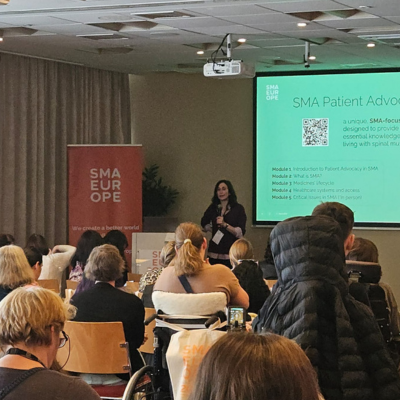
Parallel, a few extra advocacy sessions created opportunities for advocacy members to “reconnect and build trust”. Nicole adds, “These sessions actually strengthened the global network and invigorated our collective vision as patient advocates.”
Main and Late Breaking News sessions highlighted several important advances, that left Federica excited for the year ahead. “The intrathecal formulation of gene therapy and a muscle-targeted therapy are expected to have the most immediate impact on clinical practice over the next 12 months, as they are currently under review by the EMA, with decisions anticipated around mid-year.” Other promising but longer-horizon innovations, including the next-generation SMN2-splicing modifier and neuromuscular junction-targeted therapies, were also cause for great interest during the sessions.
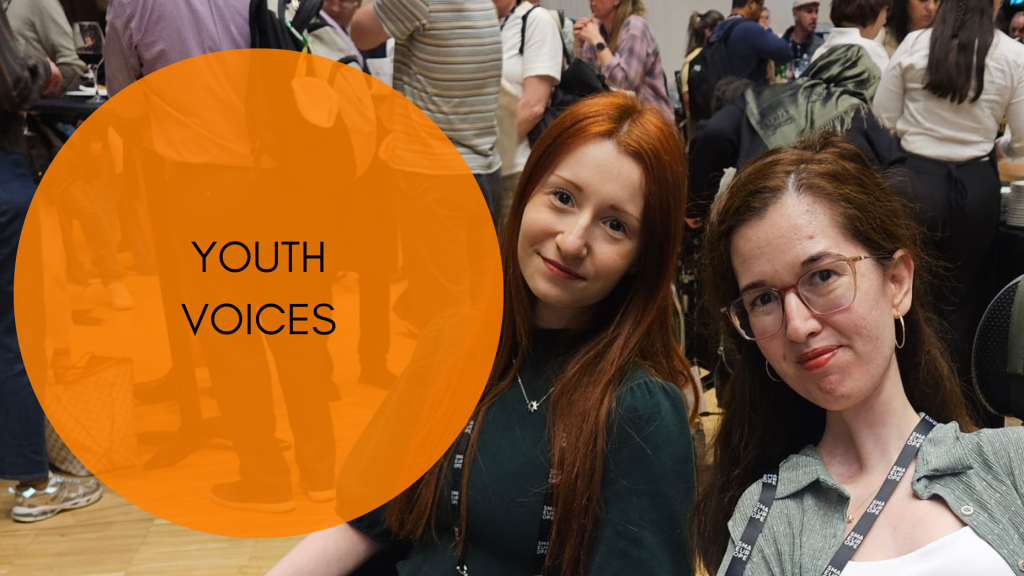
A standout presence in Budapest was the SMA Europe Youth Group. Far from being spectators, the youth group served as “rolling reporters”, interviewing senior researchers and leaders, and designing creative games to help others understand life with SMA. “They did an amazing job,” Nicole says. “It’s a very motivated and creative crowd.”
Many of these young advocates are expected to be among the first to join SMAcademy and Nicole is already looking to the future of these young advocates.
Continuing on this theme, there was an event focus on nurturing the next generation of SMA researchers. Early-career scientists, including PhD students and postdoctoral researchers, took part in a dedicated mentoring session with leading experts, held in an informal setting that encouraged open questions about careers, science and working with the SMA community. Three young researchers also led guided poster tours for patient advocates, translating complex findings into accessible language and creating direct dialogue between the lab and lived experience. For Federica the value of these sessions was clear. “These moments don’t just build skills; they help young researchers see the real-world impact of their science and, we hope, keep them excited about staying in SMA for the long term, so the community has a strong pipeline of committed professionals in the years ahead.”
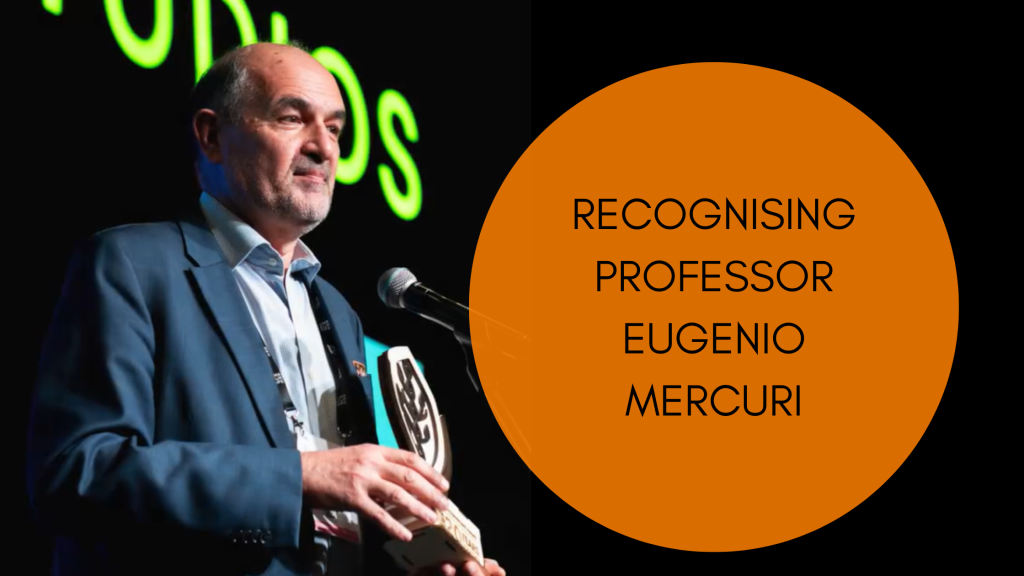
The event was beautifully rounded at the gala dinner, where SMA Europe marked its 20th anniversary by introducing the first SMA Legend Award honouring an individual’s lifetime achievements in SMA.
Member organisations were invited to nominate individuals who have made an extraordinary, lifetime contribution to SMA research and care. The community voted, and one name rose to the top: Professor Eugenio Mercuri, a leading figure in neuromuscular medicine and a former chair of SMA Europe’s Scientific Advisory Board.
“He’s someone who was already involved 20 years ago. He has always had a holistic view of where we needed to move forward, helping to shape standards of care and strengthening the evidence base that guided both research and clinical practice. He was also early in focusing on outcome measures, understanding how crucial they would be. Handing over that award felt very special. It was emotional for all of us, and it reminded us how much of this journey has been built by individuals with sustained commitment.”
Federica also sees this homage as important, not just in honouring what has been, but in looking to the future: “Introducing the lifetime achievement award was our way of connecting generations in the field. By honouring someone like Professor Eugenio Mercuri, chosen by the SMA community, young researchers can see what a lifetime of commitment to SMA really looks like. In a landscape where funding and career paths can feel uncertain, hearing his story in Budapest was both a moment of gratitude and a powerful reminder that their own work could still be shaping this field in 20 or 30 years’ time.”
Looking ahead to a 10th International Scientific Congress on SMA a decade from now, Nicole’s hopes are both ambitious and grounded. “I would consider it as a real success if we still welcome around 1,000 participants,” she says. “That would mean the community is still very much there and engaged.”
She wants to see today’s young researchers become tomorrow’s plenary speakers—bringing their own teams, new questions and fresh energy into the field. And she wants the global advocates’ network to have secured real access to diagnosis, treatment and care for everyone living with SMA, regardless of geography or income.
“I’m biologist enough not to expect miracles. It’s not about miracles—it’s about hard work and moving forward in smaller steps than we might like. But steady movement forward is what will help us reach the goal in the end.”
Federica is equally clear, “Ten years from now, I would love to see a world where every person with SMA—wherever they live—has access to newborn screening, a personalised combination of therapies, and the long-term data they need to make confident treatment decisions throughout their life.”
If the story of SMA Europe’s first 20 years is one of urgent collaboration, the next decade looks set to be about sustained, strategic progress: embedding equity, amplifying lived experience, and making sure that the promise of SMA science translates into reality for every family, everywhere.