Two decades of discovery: SMA research, from darkness to hope
In just two decades, the field of spinal muscular atrophy (SMA) research has undergone a landscape-changing transformation, moving from a time defined by molecular diagnosis and scant therapeutic hope to one celebrating multiple approved treatments. As the field shifts into an “era of implementation,” this article offers crucial insights on the modern-day hurdles of equitable access and refining treatment, while setting an optimistic course for a future where SMA is no longer a life-altering condition
Written by Becky Pender, RARE Revolution Magazine
Interview with
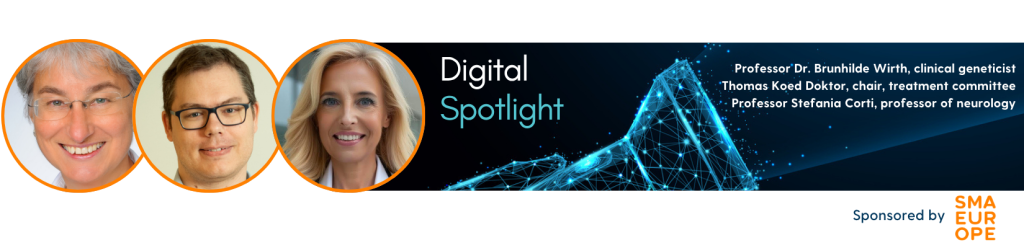
Professor Dr. Brunhilde Wirth, clinical geneticist and retired chair of the scientific advisory board (SAB) for SMA Europe,
Thomas Koed Doktor, chair of the treatment committee and a person living with spinal muscular atrophy (SMA),
and Stefania Corti, professor of neurology at the University of Milan, and the incoming SAB chair for SMA Europe

Twenty years ago, the landscape of SMA was dramatically different. As Professor Brunhilde Wirth, clinical geneticist recalls, the field was focused on molecular diagnostics, but genuine hope for treatment was scarce. Her lab was instrumental in mapping the genetic architecture of SMA, a process she describes as “almost boring” until the gene was identified. The discovery opened up fascinating questions, particularly why the two genes, SMN1 and SMN2, despite being nearly identical, differed so dramatically in their ability to produce functional Survival Motor Neuron (SMN) protein: SMN2 predominantly produces a truncated, unstable isoform (SMNΔ7) lacking the exon 7-encoded domain due to exon 7 skipping, while only a small fraction (~10–15%) of SMN2 transcripts generate full-length functional SMN protein — insufficient to compensate for the loss of SMN1.1 Brunhilde’s lab helped uncover that a single ‘silent’ C-to-T transition in SMN2 was, in fact, disrupting splicing—a groundbreaking finding that provided the molecular basis for all subsequent splice-modifier therapies.2
“It was, in fact, the first disease, and the first time that we identified that this splice defect is based on a disruption of the splicing enhancer,” Brunhilde explains, noting the amazement that one of the most common recessive inherited disorders is caused by a single silent mutation. This understanding led to the crucial realisation that modifying the ratio between full-length and SMNΔ7 SMN protein, which every patient has through their SMN2 gene, could be a therapeutic strategy.2 The demonstration that stimulation of a specific splicing enhancer by the splicing factor Htra2-beta1 promotes SMN2 exon 7 inclusion and restores full-length SMN protein3 was, for Brunhilde, the first evidence that the disease was reversible. Later therapies based on splice modifiers were generated by blocking a splicing inhibitor in intron 7, another important splice regulator of SMN2 exon 7.4,5
Another pivotal breakthrough was the identification of protective modifiers, which explained why some siblings with the same SMN1 deletion and SMN2 copy number could be fully asymptomatic while others were symptomatic.6 This taught researchers which pathway was most important, ultimately pointing towards impaired actin-dependent endocytosis at the neuromuscular junction, reducing synaptic vesicle recycling in SMA motor neurons—a finding that profoundly impacted the understanding of SMA biology beyond the simple presence of the SMN protein.
From a patient perspective, Thomas Koed Doktor, chair of the treatment committee, with his own lived experience, vividly remembers the shift. At age 18, passionate about molecular science, he was reading articles on PubMed about the discovery of the SMN2 gene as a therapeutic target and generation of mouse models enabling the development of a cure. He felt a real shift:
“All of a sudden, I felt someone open a door into a hallway of hope. I didn’t know where the hallway would lead, but the door was open, and that was enough.”
For Thomas, the scientific whisper of gene modifiers was a dramatic shift from a conversation centred on management and palliative care. He recalls the philosophical fascination with the idea that changing “four or five atoms” in the DNA could change his life situation, creating a positive and hopeful outlook despite the knowledge that progress would take time.For Stefania Corti, professor of neurology at the University of Milan, and the incoming SAB chair for SMA Europe, her early research interest was therapy, but she was fundamentally drawn to a basic science question: why loss of the ubiquitously expressed SMN protein causes selective degeneration of motor neurons? To investigate this, she pioneered the development of patient-derived spinal cord organoid models and focused on the splicing defect as a potential driver of motor neuron vulnerability. The first “glimmers of therapeutic possibility” came when she witnessed treated SMA mice running in their cages after treatment with an antisense oligonucleotide (ASO), which she perceived as a tremendous advancement for humankind.7 The subsequent treatments and, later, seeing a girl from the first gene therapy trial dancing, cemented her belief that the field had fundamentally shifted.

With multiple disease-modifying therapies now approved, the field has moved into an “era of implementation,” where the focus shifts from discovery to equitable access and refining treatment.
Brunhilde’s groundbreaking work on protective modifiers is still at the research level and does not yet directly influence therapeutic outcomes on a large scale.8 She emphasises that the complexity of SMA goes far beyond genetic screening, as modifiers act on multiple levels: genetic, RNA, protein, post-translational, and epigenetic. Dietary and metabolic factors that influence splicing regulators represent one such example.9 She cautions against rushing into population-genome-wide newborn genetic screening without a deeper understanding of all sequence variants, citing a case where a pathogenic-looking frameshift mutation in SMN1 proved to be non-pathogenic in two children, thereby preventing a potentially harmful and unnecessary $4 million treatment. She stresses the importance of rigorous, careful studies, and cautions against discarding variants that might hold the key to understanding protective mechanisms.
Thomas sees the modern-day hurdles less as scientific and more as practical and systemic. He highlights the bureaucratic and political nature of access, citing Denmark’s conscious choice not to pay for treatment as a major hurdle. He also mentions the real-world impact of delays in the newborn screening committee, where a delay of just a couple of months can mean children are born and not detected, leading to “life-altering complications and possibly loss of life.”
Regarding the adult SMA community, Thomas feels they are “very overlooked.” Clinical trials have primarily focused on children, meaning natural history data for adults is lacking, making it difficult to argue for treatment access. He points out that current scales used for clinical endpoints are crude and do not capture the small, but life-changing, gains in function that adults experience. Furthermore, he argues that the choice not to treat is often financially or politically motivated, rather than being in the best interest of the patient.
Stefania agrees that access is a critical implementation challenge. “Therapies exist, but still many patients cannot obtain the drugs,” she says, noting disparities across healthcare systems worldwide, even within her own country, Italy, where political reasons can restrict the ability to combine therapies despite clinical judgment supporting it. On the scientific side, she points to the lack of reliable biomarkers as a key gap, which is needed to guide individualised medicine and to determine if an auxiliary drug should be added to ensure the long-term durability of the primary drug’s effect. Neurofilament light chain (NfL) in cerebrospinal fluid and serum is the most studied candidate biomarker in SMA, with evidence that it reflects neuroaxonal injury and treatment response, particularly in younger and more severely affected patients; however, its validation and standardisation across disease subtypes and treatment contexts remain incomplete.
The introduction of newborn screening has fundamentally changed the clinical trajectory and research priorities. For Stefania, it is “the most important part of the field nowadays.” It has shifted the research horizon to a new clinical question: “how to sustain this near normal development across a lifetime?”
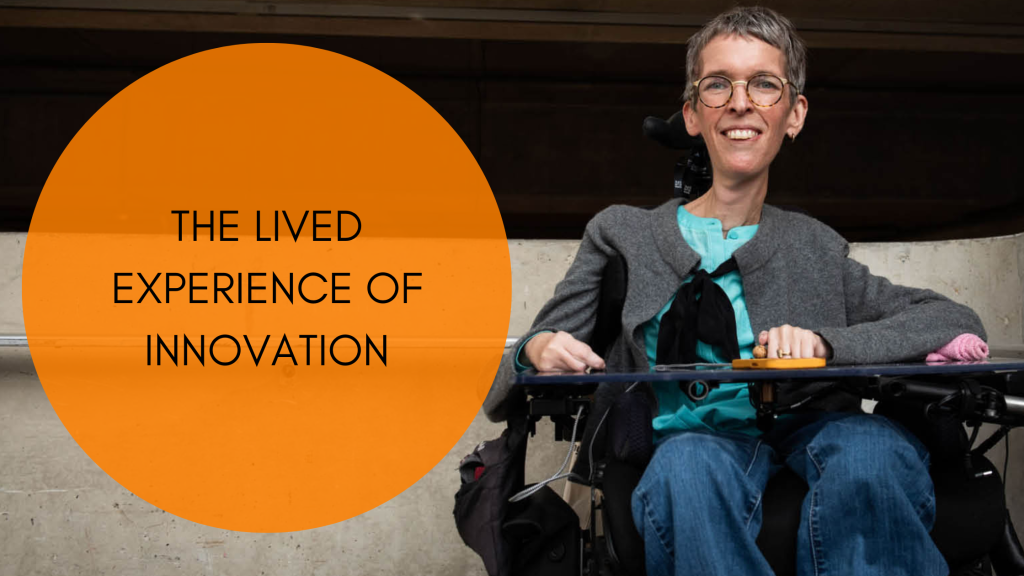
For Thomas, the patient voice on the treatment committee is essential for ensuring that clinical endpoints—the metrics scientists use to measure success—truly reflect the quality-of-life improvements that matter. Current motor function scales are limited, often failing to capture the significance of small functional gains.
He describes a five-degree movement of a finger as a “slice of heaven” if it allows a person to navigate their wheelchair or use their phone to arrange private time without a third person. This autonomy is often lost in clinical trials. He highlights a further disconnect, where an endpoint like using ventilation for more than 16 hours is seen as a “failure” in a trial, yet for the patient, using non-invasive ventilation proactively is a life-improving treatment that provides better sleep and more energy. Thomas strongly advises that patients must be involved in the design of clinical protocols before the endpoints are set to prevent a good drug from failing due to bad trial design.
The relationship between the patient community and basic science is “absolutely crucial,” according to Brunhilde. She ensures every member of her lab attends patient meetings, as she believes it is essential for scientists, who often work only “at the bench,” to see the human face of the disease. This interaction may not change the direction of basic science but “injects more passion” and helps young researchers truly understand the why of their work.
Today, quality of life in the SMA community means independence—the ability to participate in a normal life, including going to school or work and maintaining relationships. Patient-reported outcomes are a useful tool to help put attention on these non-motor function aspects, and the SMA community serves as a good driver to improve overall quality of life.

Looking toward the next two decades, the focus is on a future where SMA is a disease of the past.
Brunhilde believes the next big thing will be a combination of therapies and, potentially, prenatal treatments to fully silence the disease before birth. However, she notes the moral and ethical dilemma of prenatal treatment, especially since current therapies are not a complete cure and are extremely expensive. She predicts that increasing genetic screening will lead parents who are carriers to make “far more differentiated” decisions about their reproductive future.
From the view of a person living with SMA, Thomas’s vision of a successful future balances cure and stability. For him, stability is key, but regaining lost function is an added benefit.
As the incoming SAB Chair of SMA Europe, Stefania outlines two strategic priorities for the community to ensure sustained and equitable progress: firstly, sustained research: combatting the worldwide tendency to believe SMA is “cured” and that current treatments are “enough.” This requires sustaining pre-clinical and translational laboratory infrastructures. And secondly, harmonisation: harmonising treatment across European countries to ensure the best standards and equitable access, including the time of treatment after newborn screening and the possibility to combine drugs based on clinical judgment.
Stefania’s hope for the SMA landscape in the next 20 years is a world where universal newborn screening and pre-symptomatic treatment make a fundamental difference in disease burden:
“I hope that universal newborn screening and pre-symptomatic treatment will achieve the fact that we don’t have SMA anymore. “
References
[1] Lefebvre S, Bürglen L, Reboullet S, et al. Identification and characterization of a spinal muscular atrophy-determining gene. Cell. 1995;80(1):155-165 doi: 10.1016/0092-8674(95)90460-3
[2] Lorson CL, Hahnen E, Androphy EJ, Wirth B. A single nucleotide in the SMN gene regulates splicing and is responsible for spinal muscular atrophy. Proc Natl Acad Sci U S A. 1999;96(11):6307-11. doi:10.1073/pnas.96.11.6307. PMID: 10339583
[3] Hofmann Y, Lorson CL, Stamm S, Androphy EJ, Wirth B. Htra2-beta 1 stimulates an exonic splicing enhancer and can restore full-length SMN expression to survival motor neuron 2 (SMN2). Proc Natl Acad Sci U S A. 2000 Aug 15;97(17):9618-23. doi: 10.1073/pnas.160181697
[4] Singh, N.K. et al. (2006) Splicing of a critical exon of human survival motor neuron is regulated by a unique silencer element located in the last intron. Mol. Cell. Biol. 26, 1333–1346
[5] Hua, Y. et al. (2008) Antisense masking of an hnRNP A1/A2 intronic splicing silencer corrects SMN2 splicing in transgenic mice. Am. J. Hum. Genet. 82, 834–848
[6] Oprea GE, Kröber S, McWhorter ML, et al. Plastin 3 is a protective modifier of autosomal recessive spinal muscular atrophy. Science. 2008;320(5875):524-7. doi:10.1126/science.1155085. PMID: 18440926
[7] Faravelli I, Nizzardo M, Comi GP, Corti S. Spinal muscular atrophy–recent therapeutic advances for an old challenge. Nat Rev Neurol. 2015;11(6):351-9. doi:10.1038/nrneurol.2015.77. PMID: 25986506
[8] Muiños-Bühl A, Rombo R, Ling KK, et al. Long-Term SMN- and Ncald-ASO Combinatorial Therapy in SMA Mice and NCALD-ASO Treatment in hiPSC-Derived Motor Neurons Show Protective Effects. Int J Mol Sci. 2023;24(4):4198. doi:10.3390/ijms24044198. PMID: 36835624
[9] Wirth B. Spinal Muscular Atrophy: In the Challenge Lies a Solution. Trends Neurosci. 2021 Apr;44(4):306-322. doi: 10.1016/j.tins.2020.11.009
Further reading
- Yeo CJJ, Tizzano EF, Darras BT. Challenges and opportunities in spinal muscular atrophy therapeutics. Lancet Neurol. 2024;23(2):205-218. doi:10.1016/S1474-4422(23)00419-2. PMID: 38267192
- Bayoumy S, Verberk IMW, Vermunt L, et al. Neurofilament light protein as a biomarker for spinal muscular atrophy: a review and reference ranges. Clin Chem Lab Med. 2024;62(7):1252-1265. doi:10.1515/cclm-2023-1311. PMID: 38215341
- Cooper K, Nalbant G, Sutton A, et al. Systematic Review of Presymptomatic Treatment for Spinal Muscular Atrophy. Int J Neonatal Screen. 2024;10(3):56. doi:10.3390/ijns10030056. PMID: 39189228
- Muiños-Bühl A, Rombo R, Ling KK, et al. Long-Term SMN- and Ncald-ASO Combinatorial Therapy in SMA Mice and NCALD-ASO Treatment in hiPSC-Derived Motor Neurons Show Protective Effects. Int J Mol Sci. 2023;24(4):4198. doi:10.3390/ijms24044198. PMID: 36835624
- Ottesen EW, Singh RN. Synergistic Effect of an Antisense Oligonucleotide and Small Molecule on Splicing Correction of the Spinal Muscular Atrophy Gene. Neurosci Insights. 2024;19:26331055241233596. doi:10.1177/26331055241233596. PMID: 38379891