Both sides of the same coin
CONTENT SPONSORED BY TRAVERE THERAPEUTICS
Pam Penrose and Elizabeth Gonzalez’s stories reveal two sides of a homocystinuria (HCU) diagnosis. Pam’s journey, diagnosed at 54 after years of misdiagnosis, highlights the lack of clinical support for adult and ageing patients. By contrast, early screening for Elizabeth’s daughter, Clementine, secured immediate care and early dietary protocols–demonstrating why newborn screening and early access to medical nutrition support must not be left to chance
Written by Nicola Miller
Interview with Pamela Penrose and Elizabeth Gonzalez
Pam Penrose: growing up under the wrong diagnosis
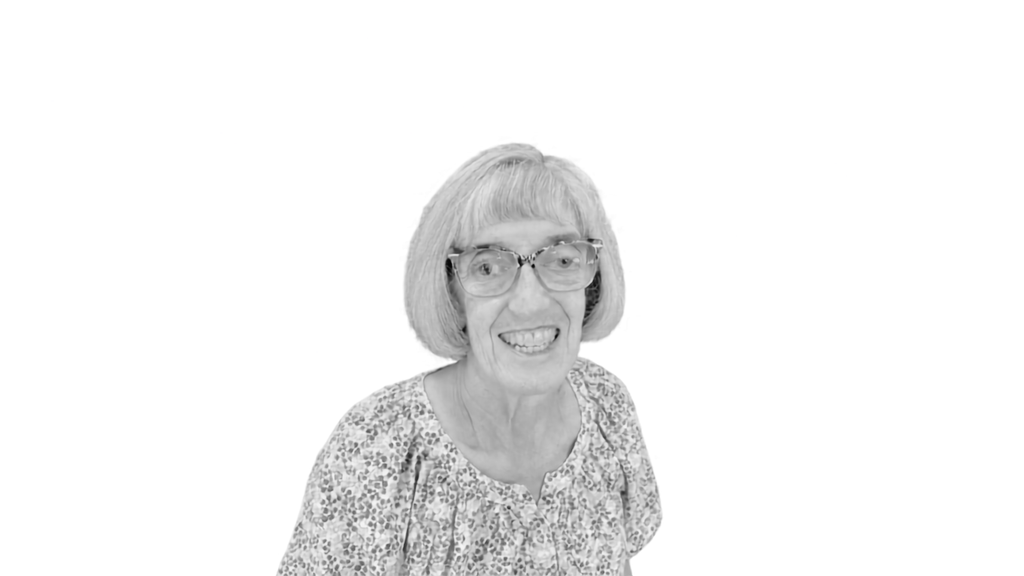
Born in 1957 in California, Pamela Penrose grew up decades before newborn screening would have picked up a condition that went undiagnosed for fifty years: homocystinuria.
By age two, Pamela struggled to see. An eye specialist confirmed dislocated lenses—a key feature of HCU—but instead, a misdiagnosis of Marfan syndrome would shape the next five decades.
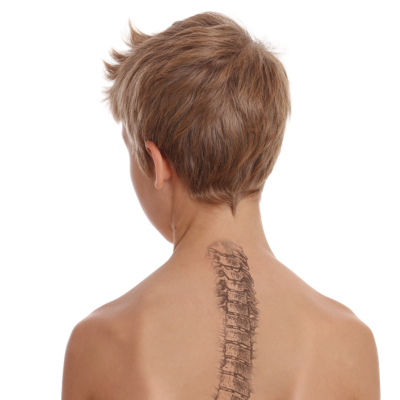
Pamela’s parents were determined advocates. They chased second opinions, followed up on every concern, and worked hard to access mainstream education. Despite significant visual impairment, numerous eye surgeries and scoliosis of the spine, Pamela graduated high school and then studied special education at university before going on to teach children with learning disabilities.
Yet inside, her body was quietly accumulating the damage of an alternative rare disorder.

For decades, Pamela’s eye problems, tall stature and scoliosis were attributed to Marfan syndrome, but a symptom misalignment went ignored. “Heart issues are often connected with Marfan, but I never had any. Everybody just thought it was ‘luck’.” What no one recognised was another serious risk building: blood clots and strokes linked to untreated HCU.
In 2004, Pamela experienced an episode of dizziness, imbalance and speech problems. A concerned colleague recognised the signs of a stroke, sending Pamela to hospital. A stroke was confirmed, and despite not being a diagnostic feature, it was explained away under the Marfan narrative. Pamela was just 47 years old. This did not sit comfortably with her.
“I always tried to learn all I could about Marfan, but I’d never heard of an association with strokes. That stayed in the back of my mind, but ultimately, I accepted what I was told.”
Years later, Pamela developed multiple blood clots in her lungs—twice. Still, the original diagnosis went unquestioned. The turning point came unexpectedly. “I was on a Marfan syndrome website when I stumbled across an area for related disorders. Immediately I was blown away. The description of HCU read like a chronicle of my health experiences.”
Pamela called the Marfan centre that had assessed her years earlier. They ordered blood and urine tests. Her homocysteine level—which should have been between 5 and 15—came back at 412. A confirmatory genetic test returned positive for HCU. Pamela shares, “They were stunned—I had diagnosed myself.”
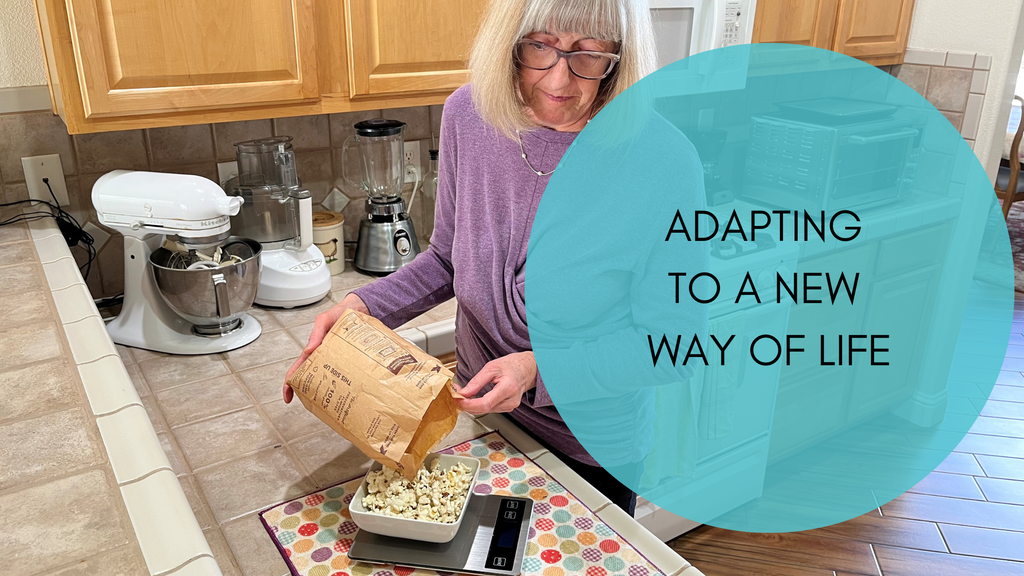
This re-diagnosis brought radical change. The primary management for HCU is a strict low-protein diet. Pamela had to pivot overnight. “One day I was eating anything I wanted, and the next day I was having to weigh all my food and learn a whole new way of eating and looking at food, including a new daily formula,” Pamela remembers not just the practical burden, but the taste. “That was a challenge—mostly because it tasted absolutely awful.” After struggling with traditional formula, she found HCU-specific “coolers” that she still uses today.
While Pamela received some support in the early days, she admits the real work of learning to live with HCU happened outside the clinic. Pamela pored over low-protein cookbooks and early low-protein resources, teaching herself to interpret labels, weigh every ingredient and keep meticulous food records to align with her blood levels, which now needed regular monitoring.
The social fallout of sudden dietary restriction was profound, as Pamela explains. “It was a huge change. We like to lunch, and while everybody’s ordering whatever they want, I’m now looking at the menu, thinking ‘What can I eat?’”
Pamela learned to pre-screen menus online and became selective about where she eats. Over time, her closest friends have adapted: they choose restaurants that suit Pam and accept her plate looks different. But Pam still finds this isolating. “These restrictions have certainly made my world smaller.”
Adherence is non-negotiable because Pamela understands what’s at stake:
“Having already experienced a stroke and blood clots, I understand the seriousness. I’ll do whatever I need to do to keep those things from happening again.”

Pamela’s late diagnosis highlighted a gap in healthcare provision. Despite being 69, Pamela is followed by a paediatric geneticist at a children’s hospital in Los Angeles. She is far from alone: many adults with HCU are “parked” in paediatric services because there is nowhere else for them to go —“less than ideal”.
As age-related issues emerge, the gap widens, Pamela shares. “Now, I have prediabetes with fatty liver disease (related to my disease); it’s difficult to know what I can eat. It creates panic.” Lack of targeted advice from her general practitioner, which reflects the realities of her protein restriction and anticoagulation history, makes managing her diet more challenging.
The result is a daily tightrope with no clear age-appropriate evidence base: a near 70-year-old woman juggling homocystinuria, diabetes prevention, liver health and healthy ageing, using tools designed for children under the care of paediatricians or generalists.
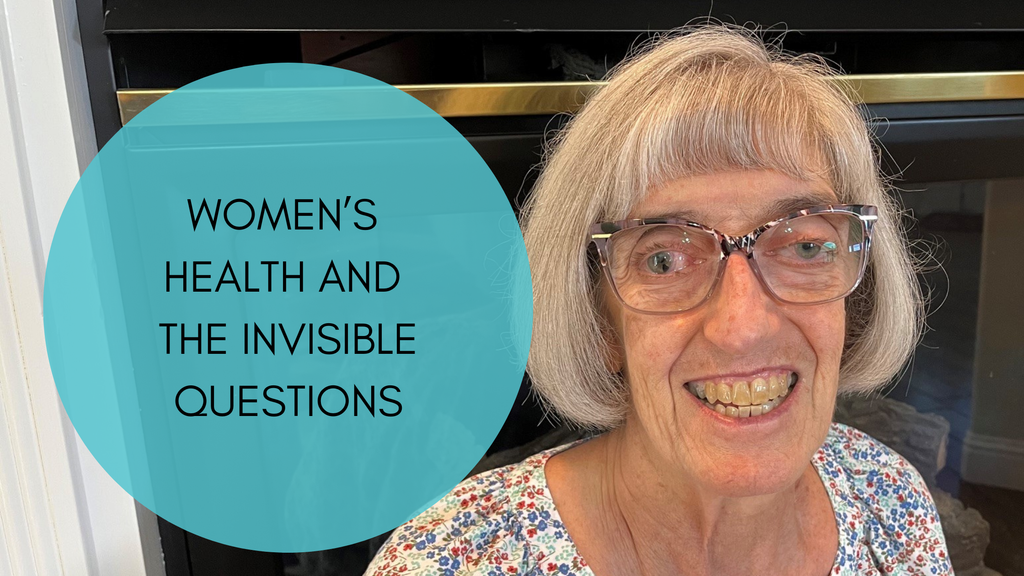
For many women with HCU, reproductive health is a concern: contraception, pregnancy risks, miscarriage and the safety of medications. In Pamela’s case, life took a different path. She and her husband adopted their children long before her diagnosis, and by the time HCU was confirmed, family planning and pregnancy were no longer active questions. But she is acutely aware of how women’s health is under-acknowledged in adult care and how ageing women are often “expected simply to cope”.
“There is a significant unmet need for adults dealing with issues that the paediatric clientele in the same healthcare setting is not yet dealing with.”
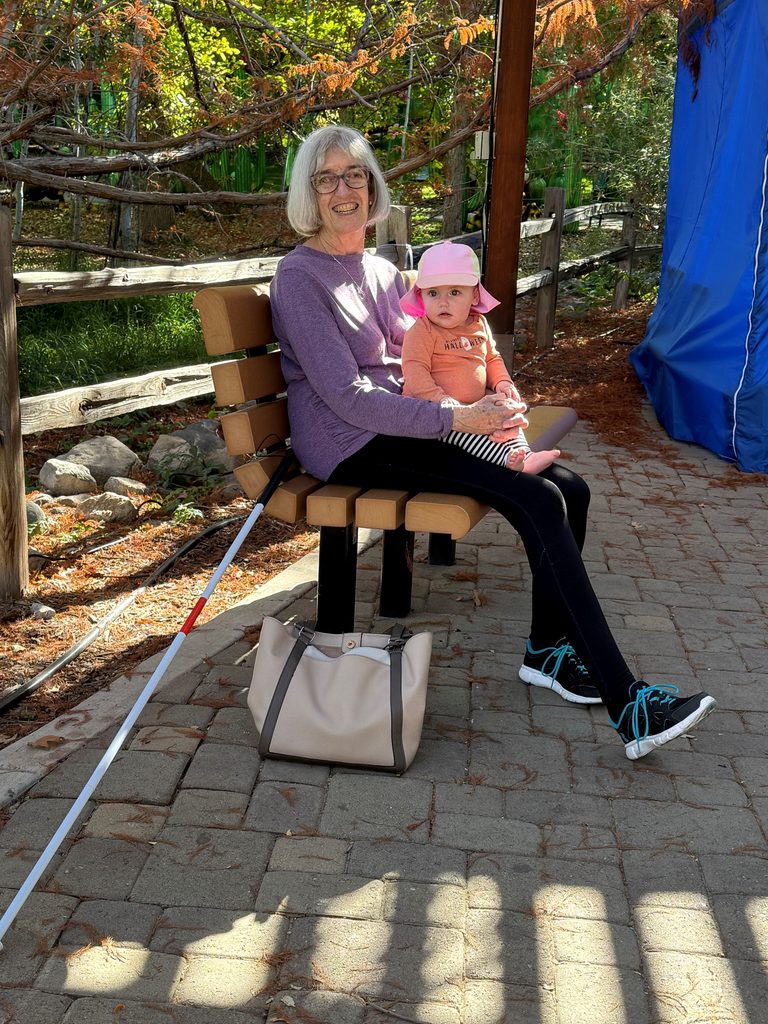
Pamela has felt this most sharply through her vision loss. Years of retinal detachments and macular damage mean she can no longer drive, read easily, or navigate digital spaces independently.
“My world has shrunk. I can’t even do my own grocery shopping anymore.”
Her experience echoes those of many older people with sensory loss who are told this is simply “getting old or disease progression”, rather than recognised as a compounding disability that deserves robust support. Instead, Pamela has carved out her own support systems: a low-vision group at the local senior centre, assistive technology on her phone and tablet, and a husband who now acts as her “eyes” for documents and digital tasks.
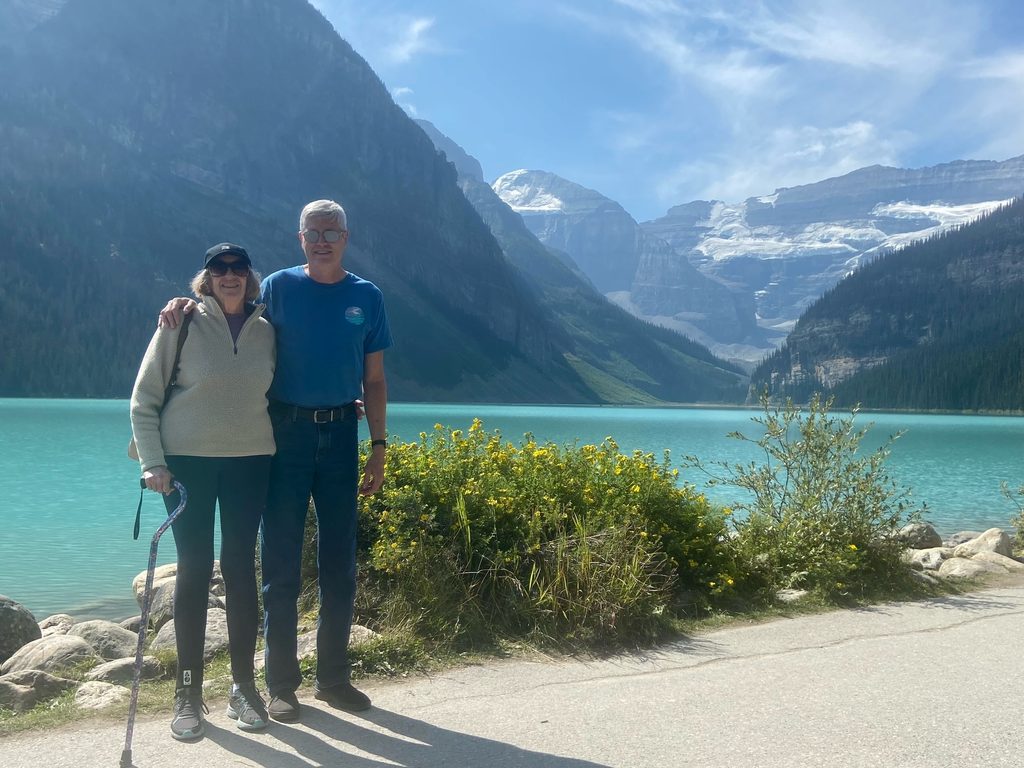

Pamela is clear her parents’ persistence likely saved her from even worse outcomes. But she also recognises that an earlier, accurate diagnosis could have reduced the risk of stroke, blood clots and severe eye complications. A true adult metabolic service could help navigate ageing, comorbidities and complex medication regimens with greater confidence, especially where long-term low-protein diets intersect with diabetes and liver health.
Quality of life, not just in lab values but social participation, mental health, and the emotional weight of lifelong food restriction, is an area Pamela feels needs greater attention. Pamela is cautiously hopeful about new therapies in development, including enzyme replacement approaches that might eventually relax the strictness of the diet, but for now is grateful for what she has. “I haven’t had another stroke or blood clot since my HCU diagnosis. I’m immensely grateful for that.”
At nearly 70, Pamela believes she is one of the oldest people in her community living with HCU, adding:
“Somehow, it’s kind of amazing that I’m still here.”
Clementine and Everett: newborn screening brings fast results

Elizabeth (Liz) Gonzalez and her husband Nick live in Denver, Colorado with their three children: Everett (7), Oliver, (4), and Clementine, 18 months—. Two of their children live with HCU, and thanks to newborn screening, their future looks bright.
When Clementine was born in February 2025, there was no reason to suspect anything was wrong. Routine newborn screening changed everything.
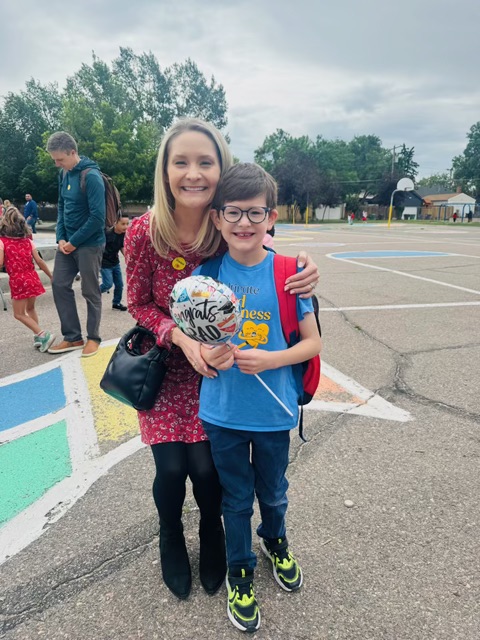
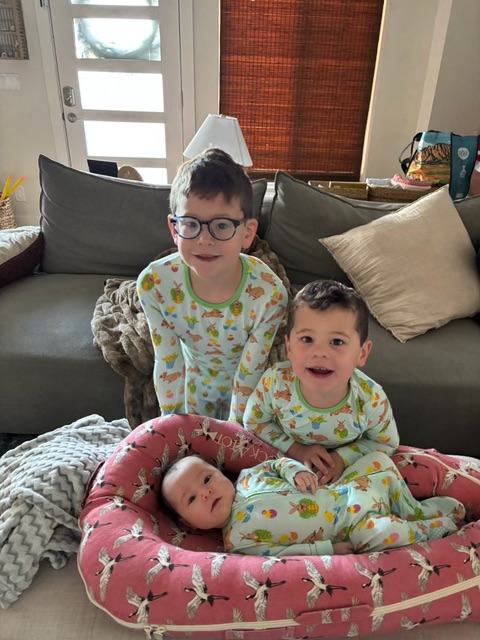
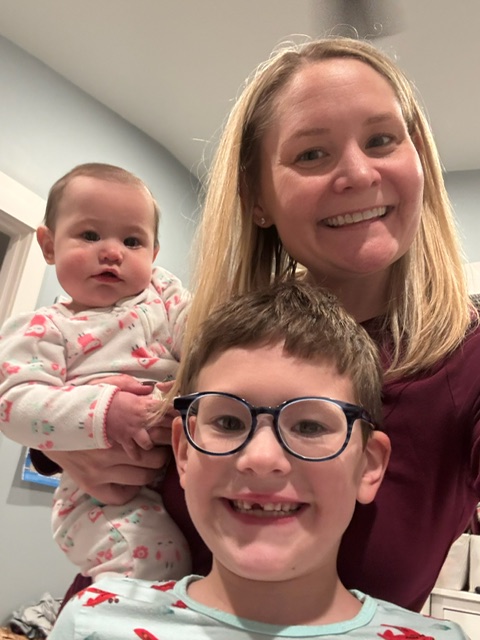

In Colorado, newborn screening is conducted twice: at 24 hours, with a repeat at two weeks. Liz barely thought about it—she had done this before with Everett and Oliver. However, this time was different.
Clementine’s results came back abnormal—her methionine was high. Repeated test results came back within hours. Clementine was diagnosed with HCU. A follow‑up appointment was scheduled immediately.

Liz and Nick were advised their two other children may also be at risk. However, they felt reassured as Everett and Oliver had previously undergone newborn screening.
Time would reveal that changes in Colorado’s newborn screening thresholds meant Everett had missed a critical window for early detection.
“When my son was born in 2019, the threshold was higher, meaning Everett’s sample passed as normal.” The higher threshold for detection on the newborn screening panel at that time meant his HCU had gone undetected and without management for five years.
Protocol changes, championed by HCU Network America, between the siblings’ births meant that where Everett slipped through the net, it had now caught Clementine, and by virtue, now him.

Liz now recognises early warning signs evident in Everett that were easy to dismiss at the time, as she explains. “He was super tall (90th percentile). He had just gotten glasses, and we had recently noticed that his knees were a little tilted in. We now know that these are all characteristic of HCU.”
There were also subtle developmental and behavioural clues: emotional dysregulation, long, intense tantrums, and sensory sensitivity. “He was really struggling with emotional dysregulation, which seemed to be more severe than others his age. We were assured by early years professionals that this was no cause for concern and within normal parameters.”
Even the smell of his urine was, in hindsight, a clinical clue:
“I had noticed his urine smelled unusual to me;
again, we now know this is a hallmark of HCU.”
While explaining HCU to Everett, a pre‑existing egg allergy turned out to be an unexpected advantage, Liz says. “He already understood food could make him seriously unwell and that ‘special rules’ around eating were sometimes necessary. Moving to the low‑protein diet was hard but because he already had heightened awareness around food that helped.”

Like Pam, treatment for Clementine and Everett centres around strict dietary management overseen by a metabolic team. That means carefully measured daily protein limits, extensive use of low‑protein specialty foods, weighing, counting and often bulk‑cooking meals in pre‑measured “1‑gram of protein portions”.
Family life runs on constant mental arithmetic, and they use an app to track everything Everett eats. This same meticulous work will be required for Clementine.
Handing over some of this responsibility to grandparents and daycare has required intensive education and trust.
“It was very hard to relinquish control. There was a lot of learning on everyone’s behalf. It requires more precision than most imagine.”
Both Everett and Clementine rely on special formula and vitamins to provide essential nutrients. Introducing this, particularly for Everett—who was already used to high‑protein foods—was challenging. “Getting Everett to drink the formula was initially one of the hardest parts. We would have to take the concentrate, mix it with orange juice and electrolyte drops, then freeze, creating a more palatable slushie.”
Over time, Everett learnt to tolerate the taste. “I think because he knows it makes him feel so much better it helps with his willingness to drink the formula,” Liz shares.
The contrast in Everett before and after starting his restricted diet shows what timely, effective management can offer children with HCU, Liz feels.
“He was kind of a cranky toddler, irritable and moody. Once he was on the diet, within a week or two, he was so much more at ease and relaxed. This just feels more like who he really is.”
Cognitively and socially, too, he seems to have caught up: “He just seems so much more comfortable in his own body. He’s got a little group of friends, he’s reading and academically more on track.”
Early treatment for Clementine means she will likely be spared this step—she has been on a low-protein formula since she was four weeks old. “As a mother, knowing that Clementine has been treated from a newborn, I feel a lot more confidence in her health. For Everett, there are lingering questions. There are a lot of ‘what ifs’—something my husband has also struggled with.”
Some effects for Everett—eye changes, skeletal features, possible processing differences—may never fully reverse, something Liz and Nick have had to find peace with. Thanks to early intervention, Everett started school on more equal ground.
“I feel very grateful that he was diagnosed when he was. He was able to start kindergarten treated—he hasn’t had to go through too many academic setbacks.”

Policy surrounding newborn screening and threshold levels played into the missed opportunity for both Pam and Everett to be diagnosed at birth. However, the decision to reduce that threshold led to a change of fortune for Clementine and, ultimately, Everett.
Insurance coverage for medical foods and formula is another important policy decision that shapes outcomes, which Liz describes as a “state‑dependent lottery in the USA”. She adds, “We’re lucky in Colorado that medical formula is required to be covered by insurance. In some states it is not. It is thousands of dollars a month. It’s awful to think that adherence would be limited by your ability to pay for it.”
In Colorado, metabolic formula is mandated to be covered up to specific ages; what happens after 18 is less certain. “For boys, it has to be covered until 18, and then for girls, I believe it’s through their reproductive age (up to 35 years of age). I don’t know what happens after that.”
For Liz, this means living with both gratitude and unease: grateful for the protections in place now, and deeply aware that others, especially adults, do not enjoy the same security.
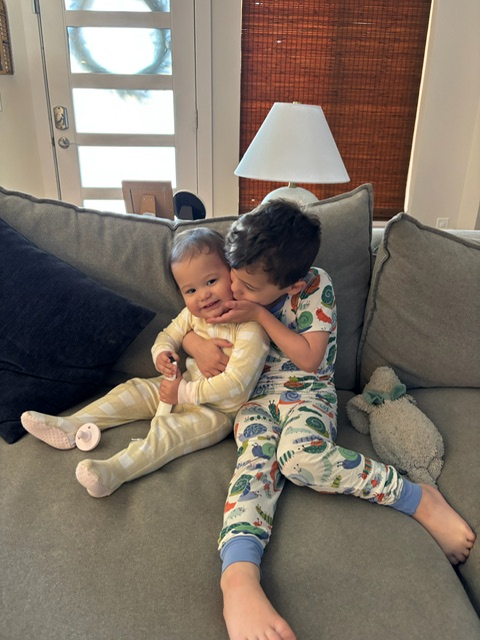
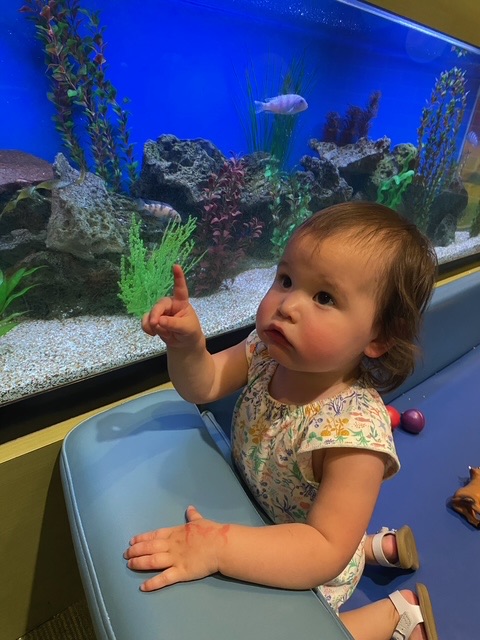
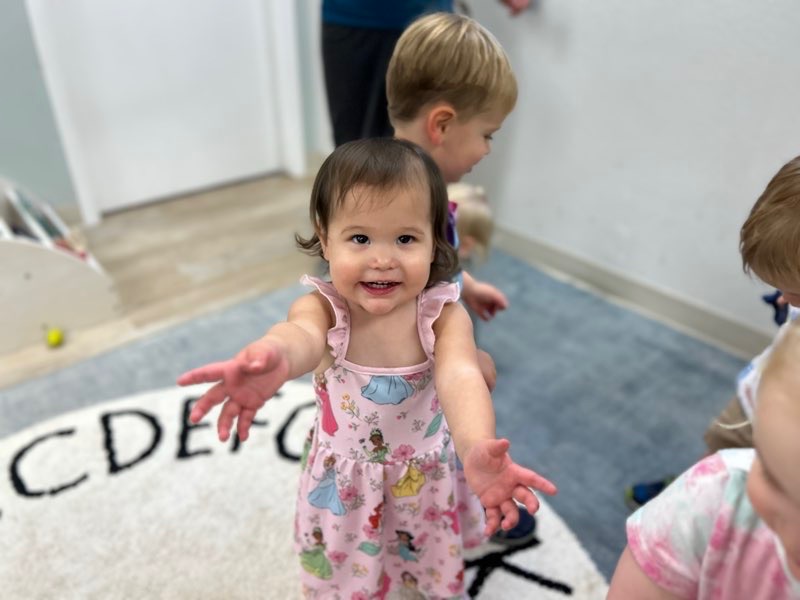
Looking at the arc from Clementine’s newborn screening to Everett’s “late” but still childhood diagnosis, to the experiences of Pam, who went much of her adult life misdiagnosed, it is clear to see the power of early detection.
But the presence of newborn screening is not a singular silver bullet. Regional variation in testing thresholds needs urgent attention. In a disease where diagnosis can lead to effective early intervention, the argument for effective newborn screening with appropriate and standardised thresholds is clear.
Children who benefit from newborn screening, and individuals diagnosed only after serious complications in adolescence or adulthood, face different futures. Pam’s experiences with significant vision loss, multiple eye surgeries, blood clots and a stroke show what is at stake.
Diagnosis is not the only friction point in optimum quality of life. Lack of access to speciality clinical care for the adult population clearly remains an unmet need, along with medical nutrition coverage, where again adults often find themselves least catered for.
For Liz and Pam, the message is unified: early diagnosis, equitable, standardised newborn screening and guaranteed access to medical foods are not optional. They are the difference between crisis or irreversible decline and the possibility of a “relatively normal, happy life.” This matters to everyone living with HCU: both children and adults.
Articles within this digital spotlight are for information only and do not form the basis of medical advice. Individuals should always seek the guidance of their medical team before making changes to their treatment.
This digital spotlight has been made possible with financial support from Travere Therapeutics.
They have had no editorial control over the copy, and all opinions are those of the contributor.
RARE Revolution Publishing® retains all copyright.