Youth in motion
CONTENT SPONSORED BY TRAVERE THERAPEUTICS
Transitioning into adulthood with homocystinuria—diet adherence, parental empowerment and the path to autonomy
Written by Nicola Miller, RARE Revolution
Interview with Gabrielle (Gabbi) Lewis, volunteer marketing manager, HCU Network America

At 24, Gabbi Lewis has already lived a lifetime of structured decision-making around food, health, and identity. Diagnosed with classical homocystinuria (HCU) before she was born—after her older brother Benjamin was picked up by newborn screening—Gabbi has benefited from early intervention, as she explains. “I have been on diet and formula since I was born, so I was set up for success from day one”.
Today, Gabbi works in biotech and volunteers her evenings and weekends as marketing manager for HCU Network America. She shares, “I started my advocacy journey when I was around 16, and I just fell in love with the world of both advocacy and biotech and being involved with helping others become more patient-centred.”
Gabbi offers a grounded, practical look at what it really takes to move from parent-managed care to independent adult life with HCU.
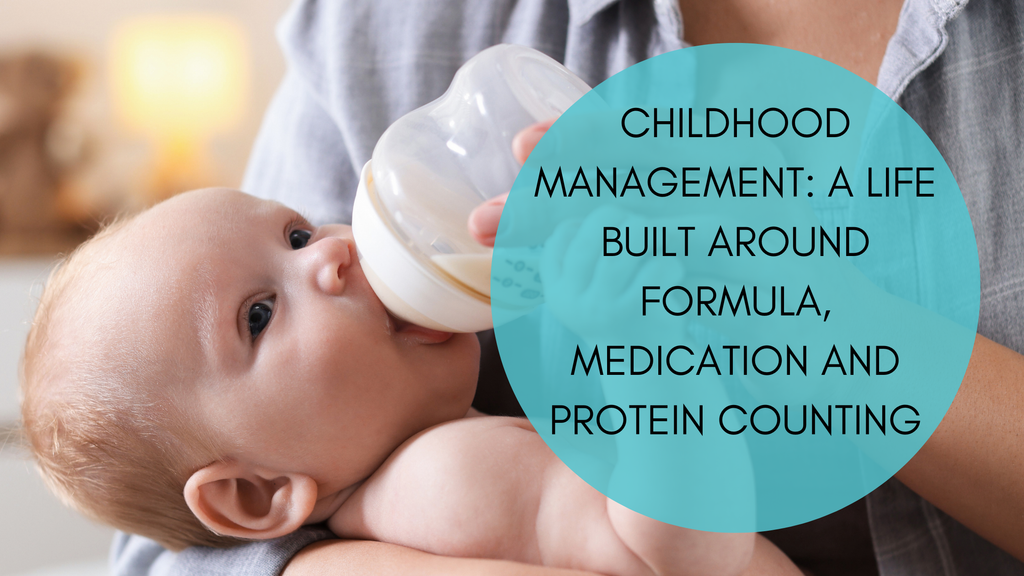
From birth, the cornerstone of Gabbi’s treatment has been a strict low-protein diet, tightly structured and managed largely by her parents, but always with an eye on gradually bringing her into the process.
Her parents took charge of the regimen, mixing powdered formula instead of milk or breastfeeding when she was an infant, and enforcing a strict low-protein diet throughout childhood. Her protein allowance slowly increased over time, from 2 grams daily in early childhood to 12 grams, where she currently remains. Her parents also involved Gabbi practically: taking her grocery shopping, showing her how to read labels and teaching her to cook and identify safe foods.

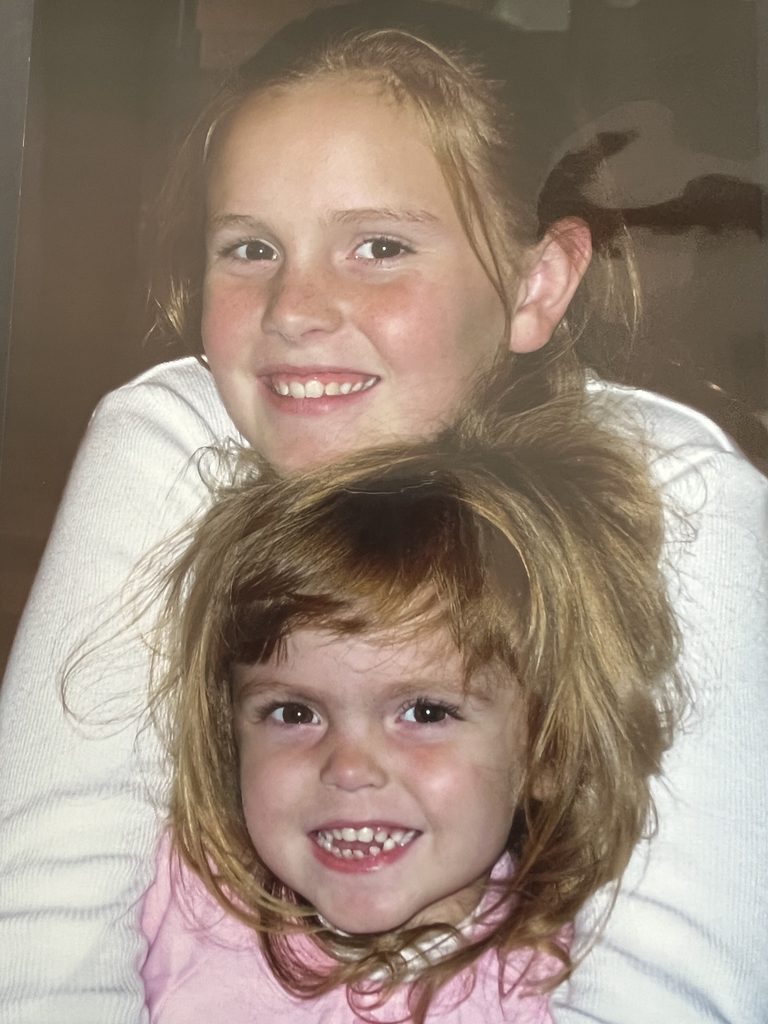
Growing up, Gabbi knew she had to “follow [her] diet, or else bad things can happen” and that not doing so might mean ending up in hospital, but she admits that this remained quite abstract until she met other people with HCU at a conference in her teens. “My parents would always tell me the importance of following my diet, but that didn’t really mean much to me because I had never seen complications of the disease. Attending my first conference, I gained important context into the why behind the protocols I had been following.”
Blood monitoring was also a constant presence throughout Gabbi’s early years:
“As a young child, testing was monthly; then, around my teen years it moved to quarterly. Getting a bad level was almost like getting a bad school grade—the thought of this was enough to keep me from straying from my diet.”
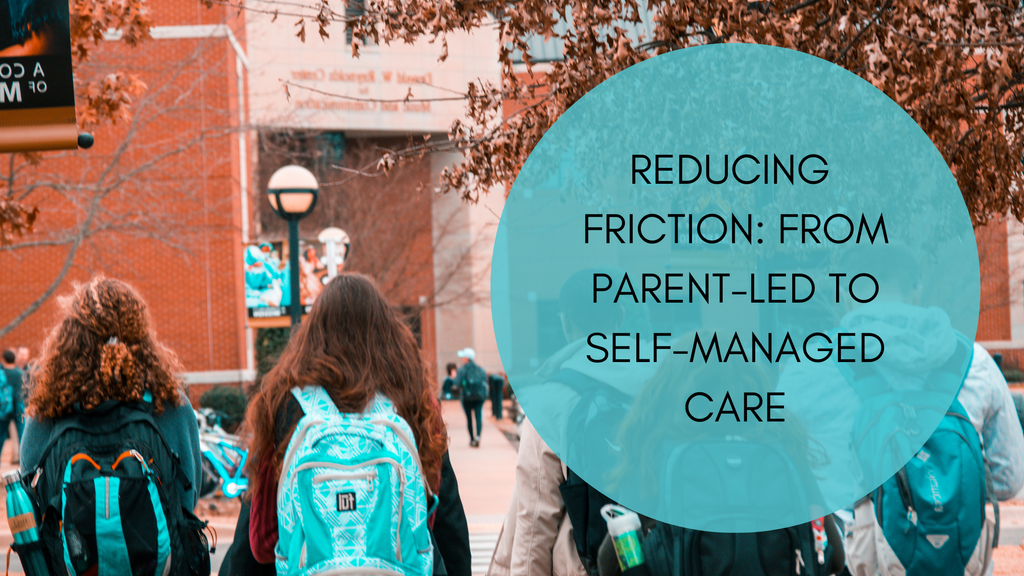
Moving from childhood into adolescence and onto college introduced a new tension: freedom of choice versus non-negotiable medical reality.
Gabbi describes college as the real inflexion point:
“It’s a crazy situation. You realise there is no one there to tell you ‘no’—I could eat anything if I wanted to. But then you have that inner conscience, that inner voice saying, ‘Don’t do that. That’s a really bad idea’.”
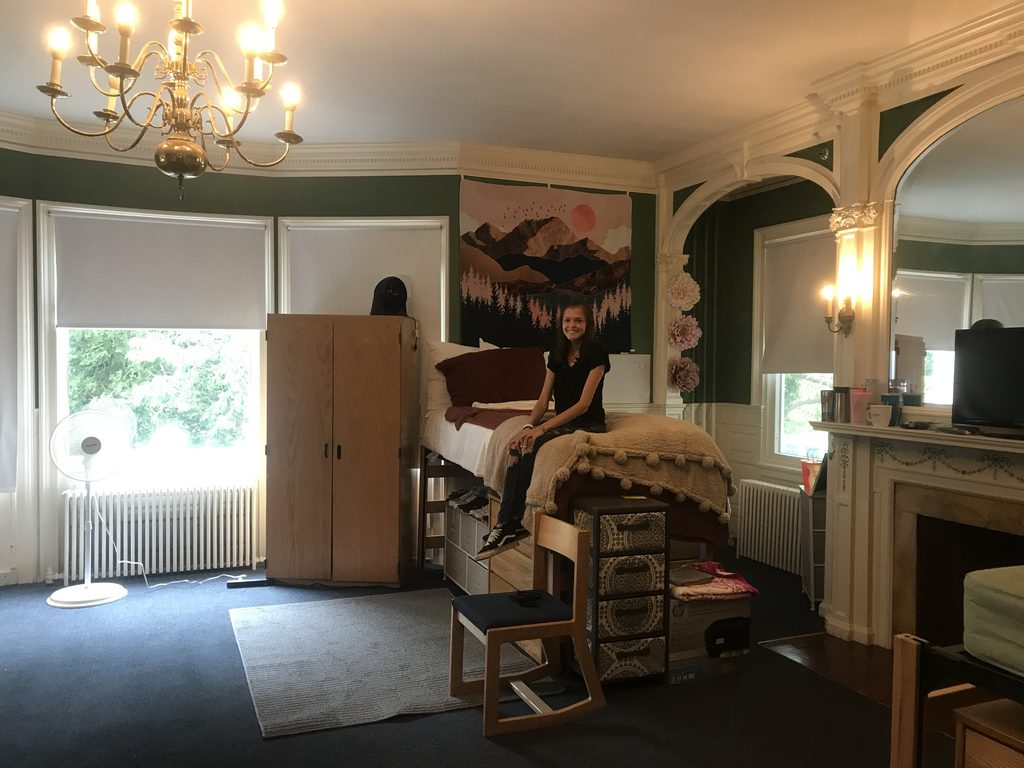
Thankfully, Gabbi chose to honour her inner voice and avoided rebellion, but friction remained in more subtle ways—particularly in an environment that wasn’t designed with HCU in mind, as she explains. “My college was not the most conducive to my condition, so it was a difficult time to follow my diet to the letter.”

Quarterly blood tests became both a safety net and a source of pressure:
“Ahead of a blood draw, I would be anxious. I never wanted a bad result to lead them to assume I wasn’t eating right—when I was doing my best within the food I could access.”
For young adults with HCU, this period often reveals the gap between knowledge and lived autonomy: they may know what to do in theory but must learn to act on that knowledge in unstructured, often unsupportive environments. This can be a real source of friction, and maintaining the strict protocols can be challenging in this backdrop.
Adolescence is rarely kind to anyone living with a difference. For Gabbi, the challenge was how to participate fully in social life without letting HCU quietly run the show. On the surface, her friends rarely saw the complexity: “My friends don’t actually fully understand what my diet entails because I will move and shift everything around so it appears I can do the same things as them.”
She describes letting herself join in—yes to birthday cake, yes to ice cream—with a behind-the-scenes cost:
“If they’re having birthday cake, I’m going to have the birthday cake, but then I’m going to have low-protein pasta and tailor the rest of my day’s food to compensate.
This requires constant “mental math” as Gabbi shares. “I will be packing my lunch in the morning thinking about what I know I will eat for breakfast and dinner and what my day’s plans are. There’s rarely a time that I’m not thinking about food and what I’m going to eat next.”
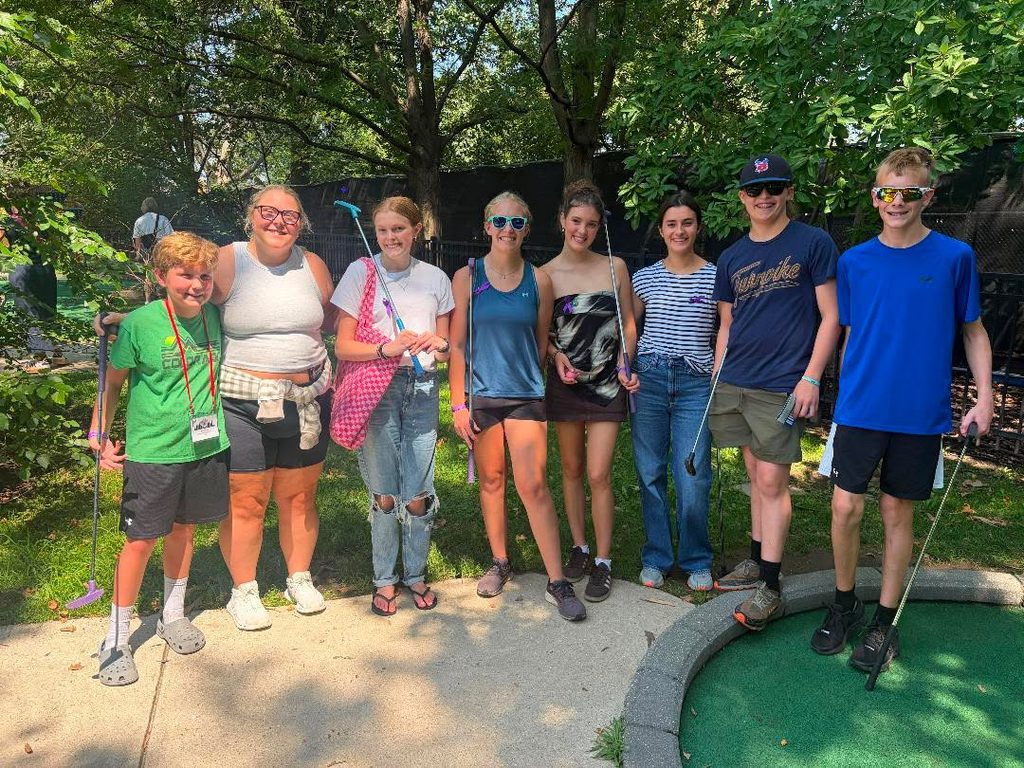
Gabbi often opts for simplified explanations with her peers, especially with people she may never see again.
“If it’s something as simple as the cheese on my pizza, I just say I’m lactose intolerant. If I were to tell them I could have a blood clot or stroke, then the conversation’s kind of a downer after that, so I try to keep things simple.”
When coping with concerns of “looking different” socially, Gabbi has simple practical strategies: Preselect food choices when eating out to make necessary adjustments throughout the day. Decide who deserves the full story and who only needs a shorthand explanation and accept that protecting your health sometimes means quietly doing extra work no one else sees—and be at peace with that.
Gabbi feels that early, practical involvement was crucial in setting her up for independence.
“In my teen years, my parents really teed me up to be able to really make my own decisions and make smart ones. I’d go grocery shopping with my mom, and we would be looking at different options. She was teaching me how to cook, how to make my own meals.”
Gabbi is clear that the earlier you start on this proactive upskilling, the better. “I would honestly say around seven or eight years old—that is when you should start engaging children with HCU in activities like grocery shopping, learning how to read a nutrition label, knowing that they can recognise safe snacks and food and unsafe snacks and food.”
“Give your child more autonomy than you are comfortable with and allow them to stretch into it.”
From Gabbi’s experience, the most helpful skills included:
- label reading and quickly spotting “safe” versus “unsafe” foods.
- counting and categorising protein (low, medium, high) rather than obsessing over exact numbers in every situation.
- meal planning and substitutions—knowing how to “swap in” lower-protein meals to make room for social eating.
- understanding that blood tests reflect their own choices, not just their parents’ decisions.
These are vital daily habits, built over many years, which make adult life manageable.

For many families, the hardest part of transition is letting go. Gabbi stresses that over-control can backfire: “I know of parents that don’t give their children autonomy, then at 17 they go off to college, and they aren’t prepared for independence. You’re doing them a disservice. They’re going to realise that there’s this big world out where their adherence becomes a choice, and then they may make bad decisions if they aren’t fully prepared for this gear shift.”
Gabbi has seen directly how tight restriction can fuel secret rebellion.
“If you restrict them too much, they’re going to cheat on their diet, and they’re going to rebel, and that’s dangerous.”
Her own parents took a more flexible, reality-based approach, teaching Gabbi how to assess for herself the food available to her and make informed decisions and adjustments as needed throughout her day/week.
For Gabbi, a healthy “off-ramp” from parent control to autonomy follows three steps. Gradually handing over responsibility for choices (snacks, then meals, then full days). Allowing controlled flexibility with a plan to rebalance elsewhere. Shifting the parent role from gatekeeper to guide and sounding board.
“You have to train them how to keep themselves safe. And if you train them well, then you should be able to step back and be confident that they can take things from there.”
By the time Gabbi moved into her own place after college, the mechanics of daily life were familiar, as she shares. “When I moved out on my own after college, honestly, it was a breeze because I could cook all the foods I need with confidence. I don’t have to concede my diet to anyone.”
But independence doesn’t remove the mental load. To keep things sustainable, Gabbi leans on structure and routine.
“The biggest win has been to standardise my life as much as I can. Every Sunday I meal prep my dinners for the week, so I know every single day what I’m going to have for dinner.”
Gabbi has developed several other supporting strategies that make adherence as easy as possible. These include keeping meals in rotation, so she can “sub in” options without rethinking everything from scratch. By splitting her grocery list by meal types, then mixing and matching sauces or toppings for variety while keeping the protein predictable and aiming for zero grams of protein at breakfast, preserving more of her daily allowance for lunch, dinner, and occasional snacks, also helps.

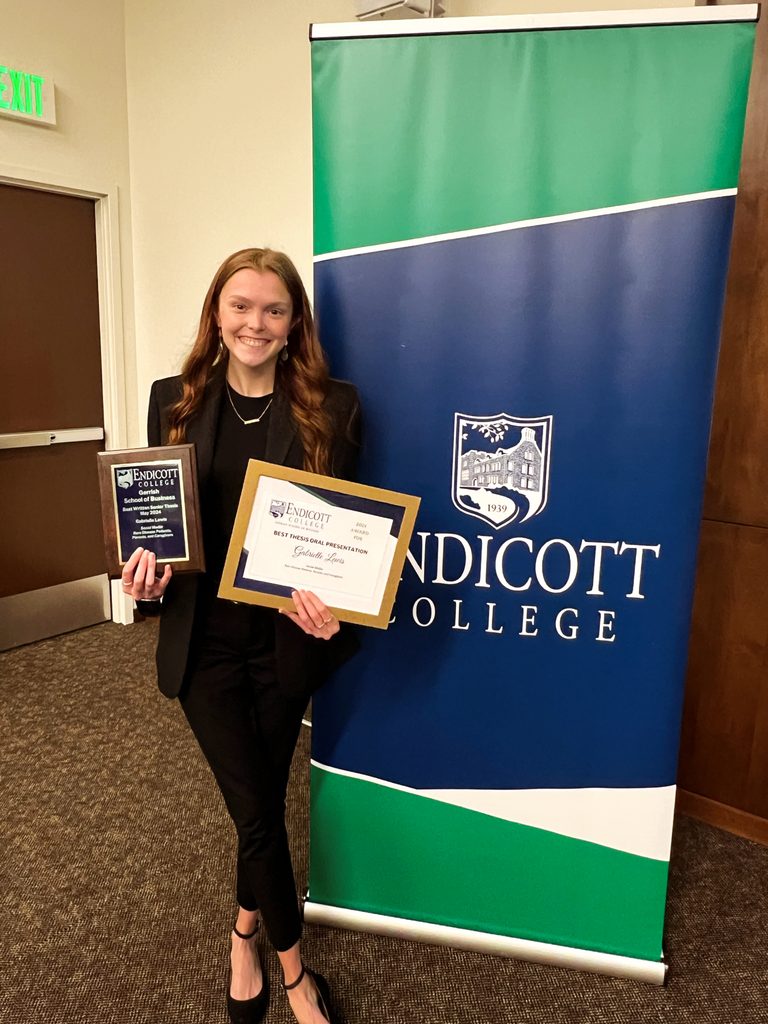


In adult spaces like workplaces, self-advocacy is still a work in progress—even for a seasoned advocate:
“When I recently started a new job, I wasn’t going to tell my employer until around six months because I wanted them to know me first before my condition. But then, on my third day, they were running a lunch meeting and taking lunch orders—so I had to just get it out there in the open.”
This captures the reality of incremental, situation-specific advocacy.

Gabbi recognises that much of what once felt overwhelming is now simply part of who she is. To teenagers who feel daunted by the idea of managing HCU “forever,” she encourages self-trust:
“I remember when I went to college, I was so anxious and stressed about the choices that I was making, and then I just had to stand back and say to myself, ‘I’ve done this my whole life. I know what I’m doing’.”
To parents, she offers reassurance and challenge: “Trust in your kid. Trust in yourself. You’ve taught them well.” The goal isn’t perfection; it’s resilience—raising young adults who understand their condition deeply enough to navigate real life, with all its unpredictability, be that celebrations, workplace events, or late-night snacks and spontaneous ice cream outings with friends.
Independence is not a cliff edge; it is a path built slowly, over years, through shared skills, shared trust and a shared dialogue between families, clinicians and communities.
Being young is about forward motion and endless blank pages ahead. With the right support and preparation, Gabbi believes that for those growing up with HCU, new and exciting stories can be written to fill those pages.
Articles within this digital spotlight are for information only and do not form the basis of medical advice. Individuals should always seek the guidance of their medical team before making changes to their treatment.
This digital spotlight has been made possible with financial support from Travere Therapeutics.
They have had no editorial control over the copy, and all opinions are those of the contributor.
RARE Revolution Publishing® retains all copyright.