Roots, resilience and the reality of NF1
SPONSORED CONTENT
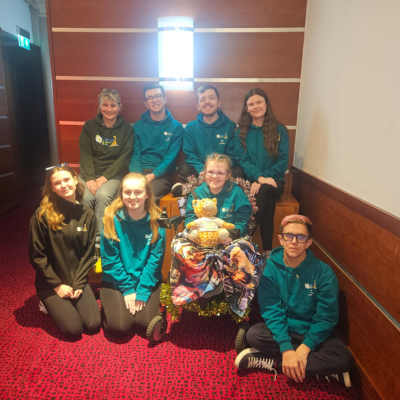
For ten years, Childhood Tumour Trust (CTT) have been a lifeline. Founded by Vanessa Martin, after her daughter Nicole discovered the transformative power of “camp”, CTT tackles the hidden realities of neurofibromatosis type 1 (NF1). Through camps, their youth ambassador programme, regional support and relentless advocacy, CTT offers families a soft landing, a powerful community and a voice that won’t be ignored
Written by Nicola Miller, RARE Revolution
Interview with Vanessa Martin, founder and CEO, Childhood Tumour Trust
When Vanessa Martin, founder and CEO, talks about ‘the why’ behind Childhood Tumour Trust (CTT), she starts with a teenage girl coming home from camp in America—her daughter, Nicole—and a feeling that something fundamentally had to change for families living with neurofibromatosis type 1 (NF1) in the UK.
Nicole was diagnosed with NF1 aged three. For more than a decade after, the Martin family lived in near-total isolation from other NF1 families, as Vanessa candidly explains:
“I buried my head in the sand”, she admits. “Because we hadn’t met anyone, we felt, ‘we’re on our own we’re just going to get on with life’, and that is what we did.”
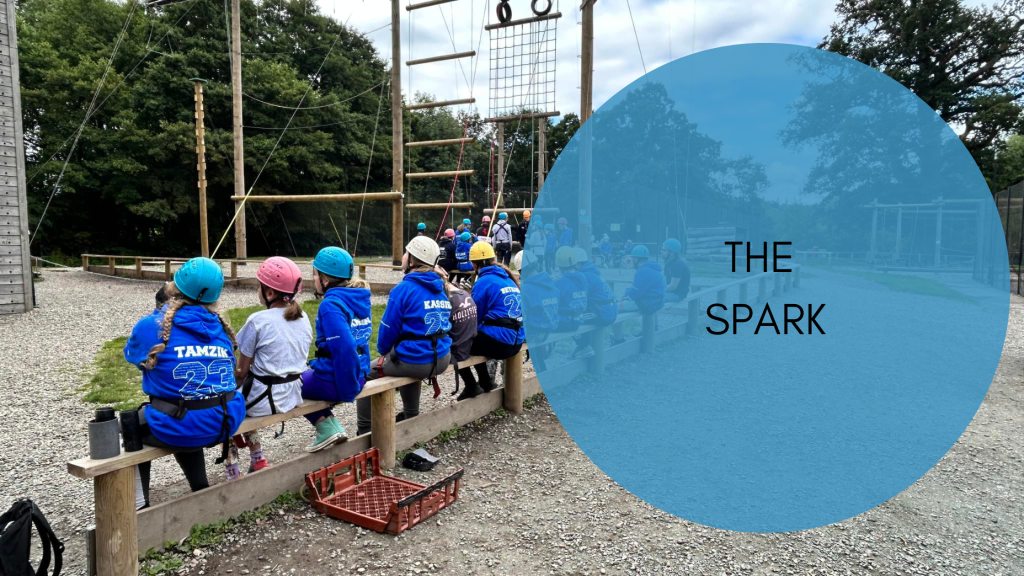
Everything shifted when, as a teenager, Nicole had the opportunity to attend a specialist NF camp in the US. Vanessa thought it would be “just a nice week away, having a fun time.” When Nicole returned home, Vanessa realised it was something much bigger. “She was changed. She’d found friends, real friends—you could see she finally found somewhere she belonged.”

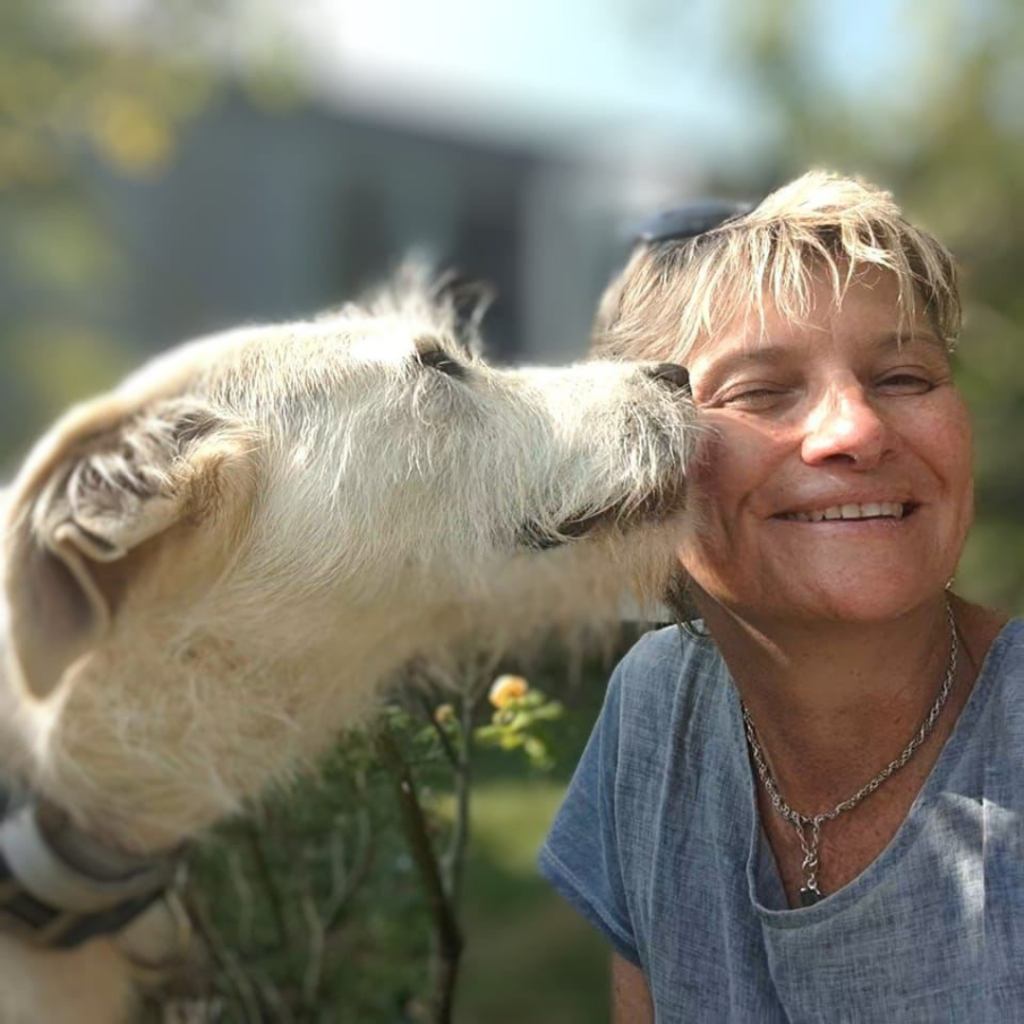
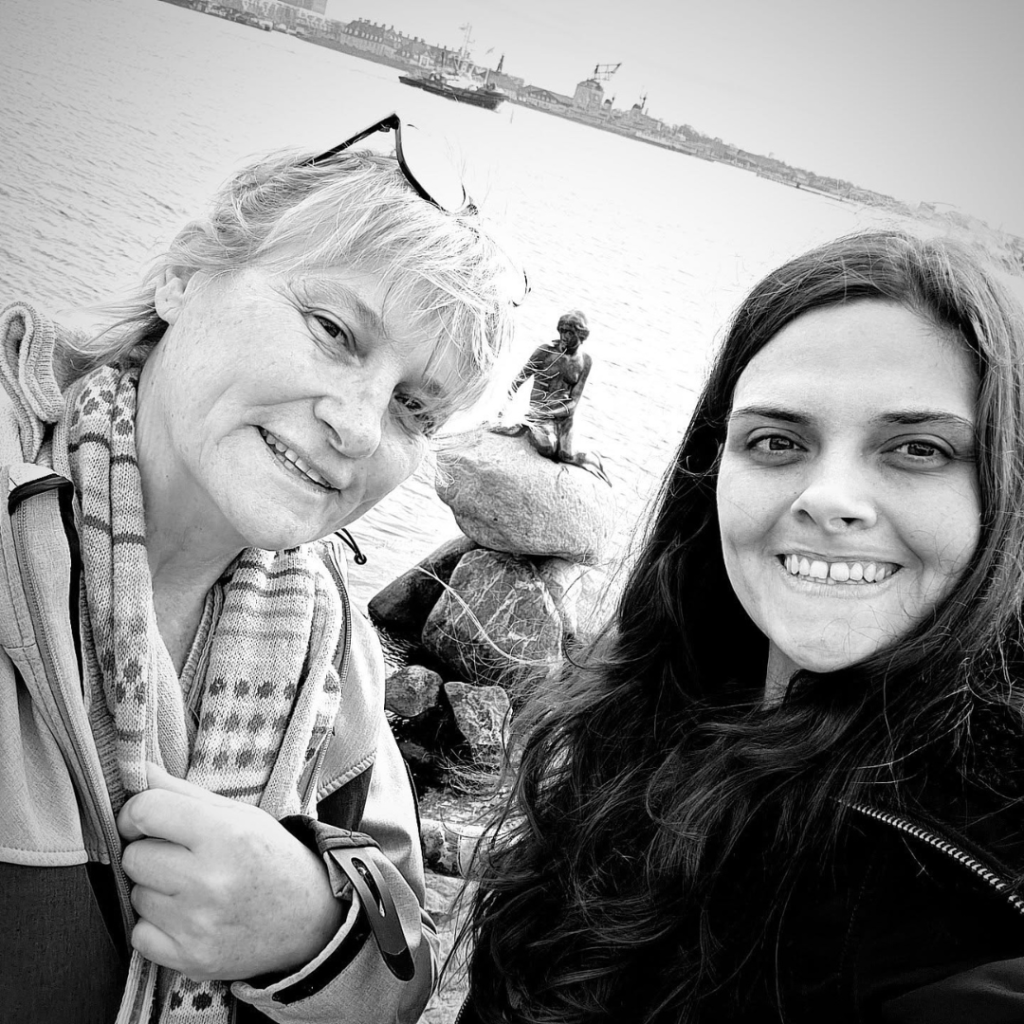
Watching Nicole come alive in a community that understood her, Vanessa realised that what her daughter had found in the US simply didn’t exist at home in the UK. “I felt, ‘there must be kids in the UK that could benefit from camp, but I don’t know where to find them. Where are they all?’”
That question—where are they all?—became the catalyst. CTT was born out of a very clear void: no visible peer community and little coordinated support for children and young people in the UK.
Vanessa is first to admit, “I had absolutely no idea what I was doing”. CTT didn’t begin with a polished business plan but rather just Vanessa stepping headlong into the challenge. Before CTT even existed as a charity Vanessa hosted her first event which was attended by just five children with NF1, plus their families. It was enough to let her know that she was on the right track.
The next turning point came when fellow rare disease advocate Caroline Harding, then CEO of Genetic Disorders UK, stepped in and gave Vanessa both the funding for a further camp, and a wealth of information that allowed her to take the leap towards a registered national charity. “I had no idea what I was doing from day-to-day, no idea! The Charity Commission literally helped me fill in the forms and Caroline told me exactly what to do.”
It was a steep learning curve, and those early days were defined by practical hurdles: constitutions, trustees, bank accounts. But also, by a deeper challenge: getting anyone to see NF1 as a priority. “It was meeting-after-meeting in the early days. Health ministers, top people, we kept going up to Westminster, but nothing happened quickly.”
Ten years on, CTT has outlived the prediction that “most charities only last two years.” Its name is now recognised in policy rooms, by pharmaceutical partners and, crucially, by clinicians who refer families for support.
Vanessa has absorbed every bit of learning available to her and has turned those early tentative steps into strides of action. She reflects,
“Our name is out there now, and what’s really nice is to have credibility with the stakeholders and to be able to ‘hold our own’ as a charity who has earned their seat at any table.”
CTT has matured into a charity with a wide-reaching remit far beyond their initial catalyst to bring families together. One such focus in on disease awareness and education to help bring to light the multifaceted nature of NF1.
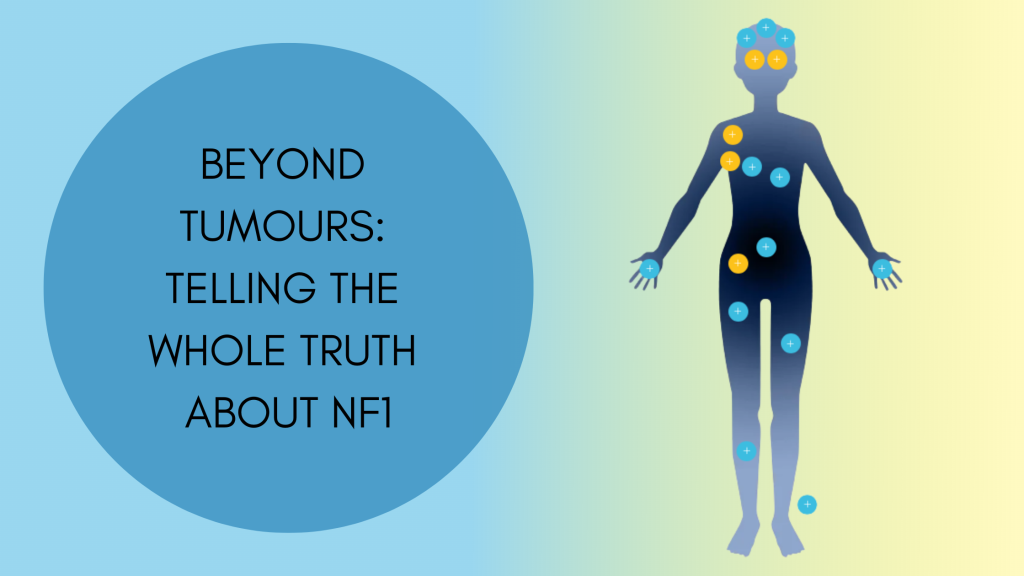
NF1 is still widely—and wrongly—reduced to a tumour condition alone. Vanessa is determined that CTT keeps pushing a more honest, more complex picture. CTT’s work has consistently highlighted involvement beyond tumours, including learning difficulties, bone involvement, mental health challenges and cancer risks such as breast cancer and GISTs (gastrointestinal stromal tumours). This has involved the creation of school-facing resources, development of template letters for schools on both support needs and attendance and social media campaigns, such as, ‘I can Say Neurofibromatosis – Can you?’ and ‘Spot the Signs’.
More recently they have driven high profile awareness campaigns such as theNF1 breast cancer awareness campaign helping secure 17 October as NF1 Breast Cancer Awareness Day, and theirOne degree of separationcampaign aimed at reaching a healthcare professional audience to encourage all disciplines to ‘think NF1’.
These efforts are about visibility for what cannot always be seen. Vanessa is clear that awareness remains a constant mission: “Maybe now people are beginning to hear of NF more, but I’m not sure people know exactly, in depth, what NF1 is. The work continues…”

Vanessa remembers vividly what it was like to type “neurofibromatosis” into an internet search bar and this fuels her approach to patient support. “When Nicole was diagnosed and we went on Google, there were no nice smiley faces. They were all very clinical, mostly of disfigurements. Which is part of it, but it’s not all of it. You didn’t see the full picture. Not everyone was represented.”
CTT’s response has been intentional: to offer something warmer, truer and more reflective of the whole community for families at that first contact point.
“Had I seen children happy in real life scenarios not reduced to clinical representations, that would have helped me so much in those early days. At CTT we try to give a little bit of comfort and reassurance in something that’s otherwise incredibly uncertain.”
Part of that “soft landing” is honest emotional support. Vanessa is open about the fear parents feel and provides a judgement free space where families can be open about those fears with her, knowing it to be a safe space. Providing the right information at the right time to families is also key in reducing overwhelm and making families less anxious at the point of diagnosis.
If there is one thing that defines CTT’s reputation as a community builder, it’s their success with camps, youth events, family days and weekly music, craft, mindfulness and baking virtual hook-ups, which speaks to their very origin and roots. Vanessa shares, “The opportunity to connect, know that they’re not on their own—that also reaches out so parents and siblings know they’re not on their own—I think that’s one big thing that we have changed.”
What happens when you put young people with NF1 in a room (in person or virtually) is not easily replicated elsewhere: “You can see how much they value that time together, how bonded they are, how open they are in front of each other. You can’t create that in a synthetic way—that just happens naturally because you’ve created space for them.”
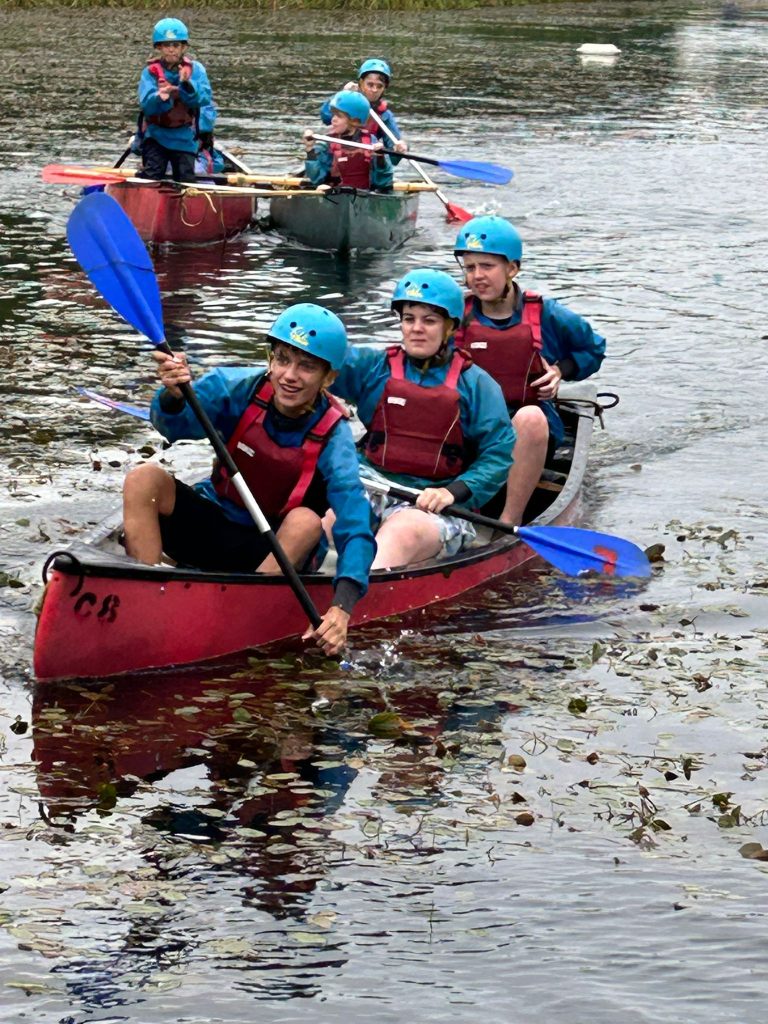
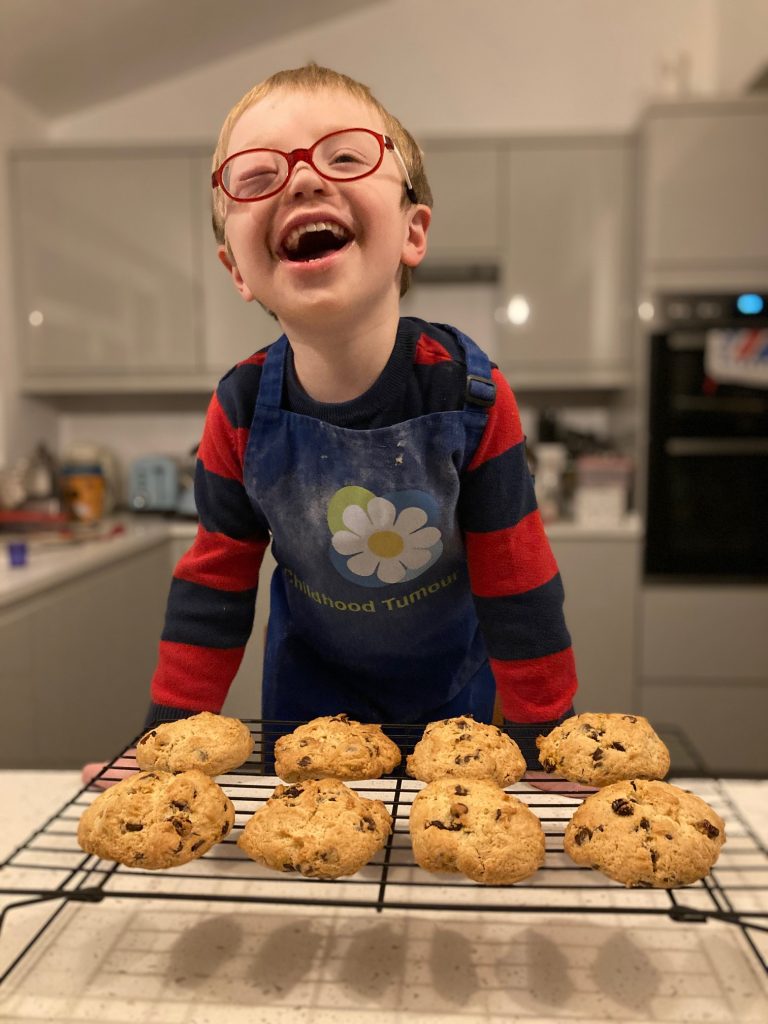
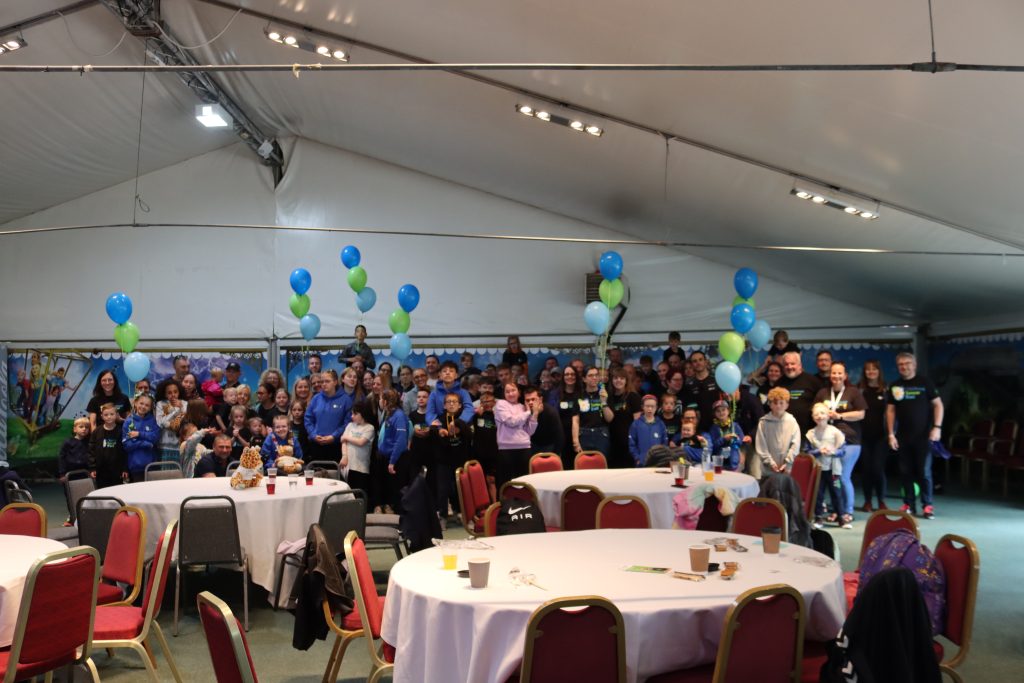
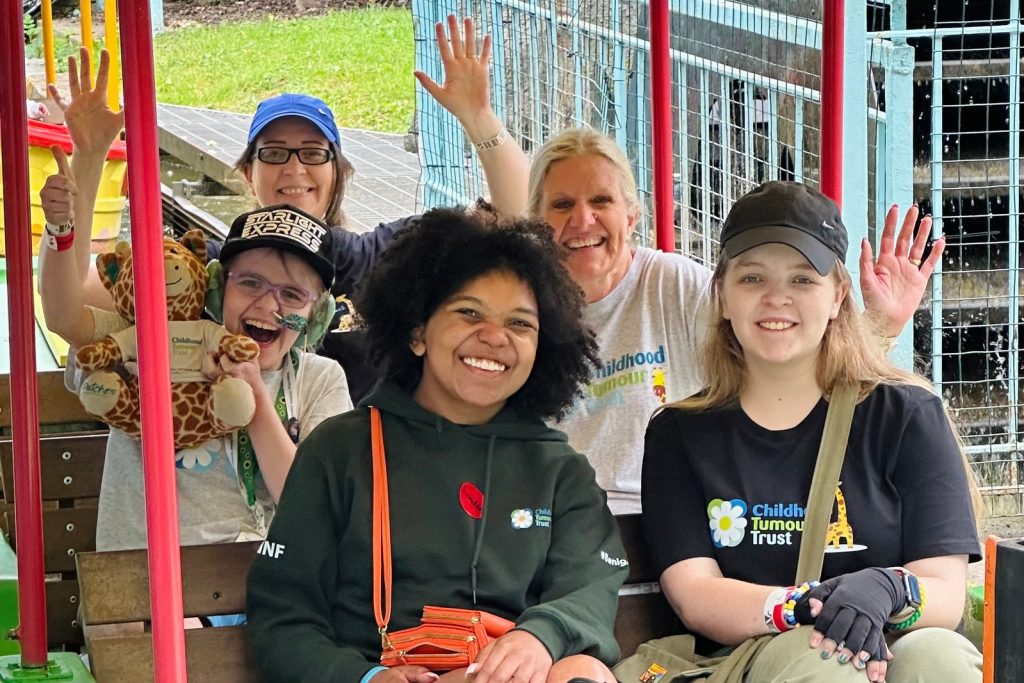
Vanessa is adamant that CTT’s role is to build the platform then step back. “People say, ‘Oh, it’s amazing what you’ve done.’ I say, ‘no. We’ve just given them the platform’.”
Today, CTT’s Youth Ambassadors Programme, led by Rebecca (Becky) Hargreaves (a sibling herself) and Lucy McCulloch (who found CTT through a 3rd party event), is central to its future. “They’re everything. I pass a lot on to Becky and Lucy who are leading the Youth Ambassadors, and they are doing a really good job. The youth input is really important.” The charity has also been intentional about keeping young people engaged beyond adolescence, extending its age remit up to 30 and supporting those forming independent friendships, travelling together and later returning as parents themselves—completing the cycle.
CTT has never seen NF1 as an individual diagnosis. It’s a family story. From siblings at camp to parents’ peer support and creative initiatives like Patches the giraffe (a soft toy with café-au-lait marks), everything is designed to help families recognise, not erase, difference.
One mother’s feedback on Patches has stayed with Vanessa: “She said ‘we’d just got on with life, thought we were treating her as ‘normal’, and then Patches arrived’. Her little girl hugged it and went, ‘Look, like me.’ Her mum said, ‘You’ve never got anything so right as Patches’.” For Vanessa, that moment encapsulated a deeper shift: “I think you have to acknowledge people are different and that everyone’s not the same. We’re not.” She sees great value in the need to see ourselves in our own personal reality and that can’t be achieved with a denial of difference. Patches had been a powerful way for young children to articulate that.
Despite medical advances and growing mention of NF1 in clinical and research circles, Vanessa is blunt about why the work is far from done. Over and above awareness, education and community connection, which are the mainstays of CTT activity, policy remains an area where Vanessa sees CTT becoming a stronger voice in the future.
Vanessa and CTT have been tireless in pushing for fair breast cancer screening for people with NF1, a risk that for years went largely unrecognised. Their targeted annual breast cancer campaigning is key as they continue to challenge the UK system for failing to routinely call up those at moderate increased risk. Those who are already entitled to earlier and more frequent screening. For Vanessa, this isn’t a “nice-to-have” policy win but a basic, overdue standard of care. “Breast cancer screening is not even something we should be fighting for. It’s a no-brainer. How on earth can we start to fight for other things if we’re not even getting what we should?”
Vanessa adds, “So much is written down in policy—the rare disease framework, the new 10-year plan for cancer. But what have they tangibly achieved? No one is clear—there’s so much waffle and not enough action.” She sees NF1 as habitually “falling between” systems—not quite cancer, neurology, dermatology or learning disability, yet touching all of them.
“I would say that’s the biggest challenge for NF1. We fit in so many places, and yet we’re excluded from so many. We’re always the one that’s forgotten.”
CTT is pushing for clear, consistent guidelines so that a child’s care no longer depends on where they live or which clinician they happen to see. Vanessa is calling for nationally standardised, NICE‑backed pathways that start with recognising café‑au‑lait marks and other early signs and follow through into adolescence and transition.
From challenging gaps in existing rare disease frameworks to working alongside clinicians and other charities, CTT keeps NF1 on the agenda and presses for guidelines that reflect the full complexity—and lifelong reality—of the condition.
Asked for one moment that sums up a decade of impact, Vanessa doesn’t choose a policy win or a funding milestone. She chooses a little girl on her ‘Dress-as-your-hero day’ at school. “One little girl dressed up as me, complete with a CTT top and lanyard. I just thought, ‘Oh my God. If I’ve been chosen to be someone’s hero, that’s quite something’.” A moment that really anchors Vanessa and CTT in its purpose.
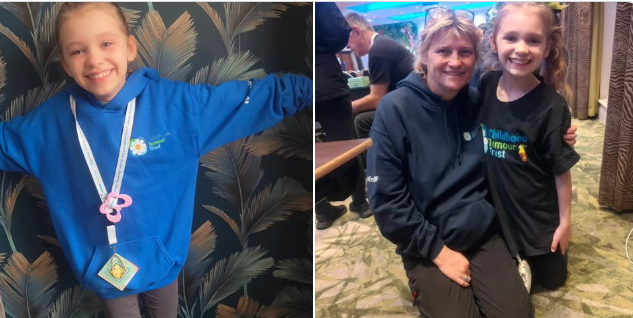
Looking ahead, Vanessa’s excited about CTT’s new regional volunteers programme—what she calls “baby CTTs popping up around the country”—acting as local focal points to bring families together regionally for meet ups, soft play and peer support. “When I looked at it, I see that’s exactly how CTT started. To see that grow would be an amazing thing for us.”
While there has been vast evolution, in many ways, the core “why” remains, as Vanessa shares, “We’ve still got the same things that we want to do. Bringing people together. Creating places and spaces if people want them. But in addition, now we are also fighting for diagnosis, for awareness, for education, for transition. It’s gone from trying to get people to know what NF1 is, to trying to get them to understand what living with NF1 really means.”
If Vanessa could wave a magic wand today, she says, it would be for a system that recognises NF1 in all its messy, multi-system reality and meets families with the coordinated, compassionate care they deserve. Until then, CTT will keep doing what it has always done: building spaces where no one has to ask, “Where are they all?” ever again.
This article has been supported by funding from
Springworks Therapeutics and Alexion, AstraZeneca Rare Disease. The sponsors have had no editorial control or influence over the copy and the opinions are those of the contributors alone.