The “window of opportunity”: why early diagnosis in NF1 matters
SPONSORED CONTENT
Early diagnosis in neurofibromatosis type 1 (NF1) can’t predict every outcome, but it can provide a roadmap. From childhood surveillance for optic pathway gliomas and scoliosis, to timely SEN support and informed family‑planning decisions, a formal diagnosis opens doors to protections that guesswork never can. NF1 specialist nurses Katrina Kettle and Mary Thomas share how early recognition, clear guidance and peer connection turn fear of NF1 into informed, proactive care for the whole family
Written by Nicola Miller, RARE Revolution
Interview with Katrina Kettle, paediatric deputy clinical nurse specialist and Mary Thomas, NF lead advanced nurse practitioner
Neurofibromatosis type 1 (NF1) is often described as unpredictable. A condition where one family member may live largely unaffected, while another faces complex, life‑altering complications, or where there is no previous family history. But while NF1 cannot be predicted, it can be prepared for. That preparation starts with one crucial step: early diagnosis.
At the National Neurofibromatosis Centre, London, specialist nurses Katrina Kettle, paediatric deputy clinical nurse specialist, and Mary Thomas, adult lead advanced nurse practitioner, see the full spectrum of NF1. Their shared message is clear, early diagnosis is about opening a vital “window of opportunity” in managing future health, education and emotional wellbeing.
“I don’t know that there’s any way that an early diagnosis wouldn’t help,” reflects Katrina. “Any new parent that’s got a baby is terrified anyway and then throw in NF1. If that mum and/or dad stays isolated and alone, that’s all going to feed into the experience of the child. If the parent is supported and reassured, that can totally change the outcome.”
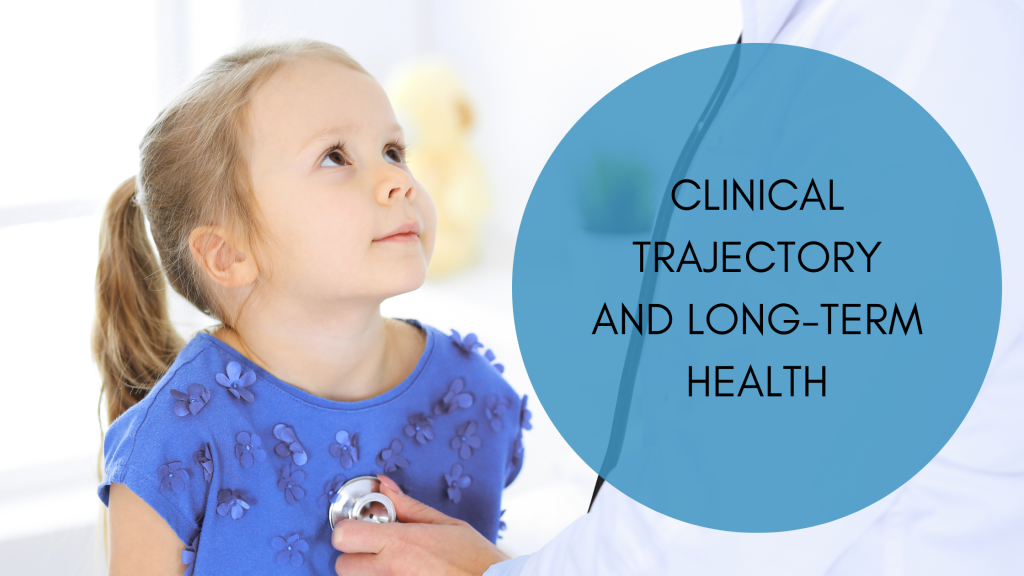
From a specialist nursing perspective, an early NF1 diagnosis doesn’t allow clinicians to “outsmart” the condition, but it does allow them to anticipate its most risky phases. Katrina explains that childhood presents very specific windows when complications are more likely to emerge:
- early years – The early years, approximately between 0- 5, is when diagnostic criteria such as café au lait macules and auxiliary freckling will develop. The most common age for an optic pathway glioma (OPG) to cause symptoms is between 2 and 6 years of age, where regular vision surveillance is key. Bony complications, such as long bone abnormalities or tibial bowing, which may first present as unusual fractures or leg shape as a child begins to walk.
- early childhood – Review development in particular coordination and speech difficulties. There is an increased incidence of learning and behaviour problems and need to identify possible special learning needs. Monitoring for short stature/macrocephaly.
- early puberty – Growth issues, where monitoring can identify faltering growth/late puberty and allow for consideration of interventions such as growth hormone where appropriate.
- teenage years – Active monitoring to look for signs of scoliosis during entire growth period, and especially at puberty and during adolescent growth spurts requiring monitoring until growth is complete.
By tracking these predictable “pressure points,” a team can, in Katrina’s words, “tick off” milestones as children grow, giving reassurance along the way: “You can get to transition and say ‘okay, you’ve made it through the early years, your vision’s fine, no problems with your growth, you’ve got to the end of growing and your spine is straight. The fact those things haven’t happened is really encouraging’.” Where issues have arisen at key milestones, these early red flags can allow for additional surveillance and appropriate onward referrals as the child grows.
To support earlier recognition in primary care and community settings, resources such as a body map, similar to the one produced by Childhood Tumour Trust (CTT), could help clinicians and families to clearly identify common physical signs of NF1, including café au lait macules (skin discolouration) and freckling patterns. By making these features easier to recognise and document, tools like this play a vital role in reducing diagnostic delay and prompting timely referral to specialist services.
In adulthood, Mary sees the flip side: the emotional and clinical fallout when NF1 is only identified late without the benefit of a timely diagnosis, often after a cancer scare. “More often than not, they’re totally healthy adults who are then sent through a cancer pathway after a chest X‑ray finds a tumour, or a brain scan finds NF1 changes. It can be very scary with a strong cancer focus. Then finally someone says, ‘Actually, that looks like a neurofibroma, go to the complex NF1 team.’ By then they arrive to us really geared up, having had a very stressful journey.”
In other adult cases, Mary expands, “Unfortunately, I have also experienced people who get sent to us after inappropriate local surgical intervention has occurred causing new nerve problems. We need to get the referral before they get to this point.”
An earlier diagnosis doesn’t guarantee a milder course, but it can avoid crisis‑led discovery, guide appropriate surveillance and onward referrals, and prevent unnecessary, sometimes harmful, interventions by non‑specialists.
Equally important, early diagnosis shapes adult health behaviour. Mary frequently sees parents who prioritise children’s appointments but neglect their own:
“They’ll make sure all their children get seen, but they themselves will reschedule their own appointments. They’re not getting mammograms, not going to the GP. My adult focus is you must look after you too.”

NF1 is not only a tumour‑predisposition condition, it is also a neurodevelopmental condition with its own “cognitive profile” as Katrina explains.
“It frustrates me that parents are told, ‘They don’t have an ADHD diagnosis, they don’t have autism, so they can’t have any help.’ NF has its own neurodevelopmental profile.”
Difficulties may include slower information processing speed, executive function challenges (organisation, planning, working memory), attention and concentration issues and subtle learning differences that only become obvious when academic demands increase.
In primary school, many children with NF1 appear to “cope” because the environment is naturally more structured, nurturing and scaffolded. The real cracks often show at secondary school, when class sizes are bigger, expectations are higher, and that natural scaffolding falls away.
Without an early diagnosis, and without NF1 being flagged to the school as a legitimate neurodevelopmental condition, children may quietly fall behind, become isolated and develop worsening mental health before anyone recognises that this is related to NF1.
Katrina notes that the biggest “hidden” educational hurdle is often timing: “Children appear to be “managing” in primary school. Concerns are dismissed until the later years, when the gap widens sharply. By the time SEN processes such as an Education, health and care plan (EHCP) are considered, the young person may already be two to three years behind, with fragile self‑esteem and few friendships.”
An early diagnosis gives families the evidence and language they need to advocate for: classroom adjustments (front‑of‑class seating, printed materials, extra processing time), low‑level non‑EHCP supports (check‑ins from a teaching assistant, peer support systems) or a timely referral for formal assessment and more advanced supportive measure if needed.
This isn’t about pathologising every learning difference; it is about “getting in early” before small gaps become opportunity-limiting chasms.
A diagnosis of NF1 can be an extremely challenging time for families, both Mary and Katrina see this every week. Both are equally clear that early diagnosis, when backed up with supportive care, can be the foundation for hope, not despair, and can be pivotal in future life decisions beyond education.
Mary regularly meets adults who were discouraged from having children altogether:
“It breaks my heart when someone in their 50s tells me they didn’t have children because they were told they shouldn’t. Now we spend a lot of time making sure young people and families know there are options, such as PGT, prenatal testing, or having informed acceptance of the 50:50 risk.”
For many parents, simply learning that there is such a thing as pre‑implantation genetic testing (PGT), or that non‑invasive prenatal testing exists for some families, brings visible relief. Early diagnosis means those conversations can happen gradually and age‑appropriately, not in a rush when someone is already pregnant and not when it’s too late.
Katrina describes how she starts this process with teenagers early: “Most of these teenagers go bright red and don’t want to talk about it, but we repeat the conversation over time. At 16, they’re not going to care much but by 19 or 20, they’ll already have that foundation for later life.”
This is how early diagnosis supports a healthy “health identity” and informed decision making that will imprint to their whole life ahead.
A confirmed diagnosis also has the power to turn a feeling of being vaguely “different” without explanation, into a future that young people with NF1 can understand. Helping them be empowered to know what their condition is – and isn’t, what risks they really face, versus what Google might suggest and what choices they have in relationships, family building and beyond.
Specialist nurses also play a crucial role in connecting families with advocacy groups and peer communities, where organisations, such as Childhood Tumour Trust (CTT), play a key role. The clinic also hosts events to help connect individuals. Mary has seen the profound impact of peer contact: “So many adults say they have never met anyone with NF before. Our coffee groups, meeting virtually and in person, have had a huge impact on people’s mental health and social isolation. Just knowing ‘I’m not the only one’ is powerful.”
For new parents, early referral to these communities can be transformative, replacing isolation and fear with shared experience and realistic optimism.
Despite clear progress in recent years, which Mary attributes largely to the efforts of advocacy groups like CTT, and information being easily accessible through internet searches, many families do still endure diagnostic delay; years of worry, dismissal and misdirection before NF1 is named.
Katrina and Mary identify several key barriers:
- Variable awareness in primary and secondary care – GPs and general paediatricians may not recognise café‑au‑lait spots, axillary freckling or presence of Lisch nodules as diagnostic indicators for NF1.
- Knowledge about NF1 – clinicians feel NF1 ‘too specialist’ and referrals can bounce back and forth between local services.
- Variability of local expertise – some regions have paediatricians with a special interest in NF1; others have none.
- Postcode inequity – access to timely referrals, EHCPs, diagnostics and surveillance can still depend heavily on where a family lives.
Both Mary and Katrina are clear that more work is needed in improving the identification of NF1, the diagnostics pathway and onward referrals to specialist services. Earlier NF1 diagnosis depends largely on greater awareness among health professionals, supported by clear guidelines and charity partnerships. Katrina notes that “the advocacy work of the charities that we collaborate with is key,” with organisations like Childhood Tumour Trust (CTT) helping to educate clinicians and “build on things like the NF1 CPD (continuing professional development) module” so that NF1 is recognised and referrals made sooner.
For some, fear of NF1—the Google results, the what‑ifs, the imagined future—is so great that they hesitate to seek a formal diagnosis for themselves or their child. Katrina and Mary understand that fear deeply, but they are unequivocal about the counter to this.
Katrina’s answer is rooted in the power of connection:
“If your child is diagnosed early, professionals can ensure sufficient surveillance, you have access to people who know when to worry and when not to, and you can connect with other parents who’ve stood where you are now. The ‘not knowing’ can keep families isolated.”
Mary frames it in terms of opportunity and choice: “A diagnosis doesn’t take options away; it gives you more of them. It means we can monitor the right things, at the right time. It means your child can get the school support they need before they fall behind. It means you can learn about family‑planning options instead of missing out. Knowing might feel scary, but it’s also empowering.”
In a condition as variable as NF1, no clinician can promise certainty. But early diagnosis offers something almost as valuable: a roadmap. It allows families and clinicians to work together—anticipating risks, amplifying strengths and ensuring that NF1 is one part of a person’s story, not the whole narrative.
The “window of opportunity” is not just clinical. It is emotional, educational and deeply human. As Katrina and Mary’s work shows, it begins the moment someone is brave enough to ask, “Could this be NF1?” and someone else is prepared to listen, recognise the signs, and say, “Let’s find out. Together.”
To learn more about the National NF Complex services, please visit:Neurofibromatosis – Overview | Guy’s and St Thomas’ NHS Foundation Trust
To learn more about the work of CTT please visit:childhoodtumourtrust.org.uk
This article has been supported by funding from
Springworks Therapeutics and Alexion, AstraZeneca Rare Disease. The sponsors have had no editorial control or influence over the copy and the opinions are those of the contributors alone.