Reshaping clinical research through community collaboration
Content sponsored by trialport
Patient advocacy organisations are increasingly being seen as valued partners in clinical research. We explore how trialport collaborates with patient groups and charities, helping to build long-term trust, bridge communication gaps and connect rare disease communities with accessible clinical research opportunities
Written by Emma Bishop
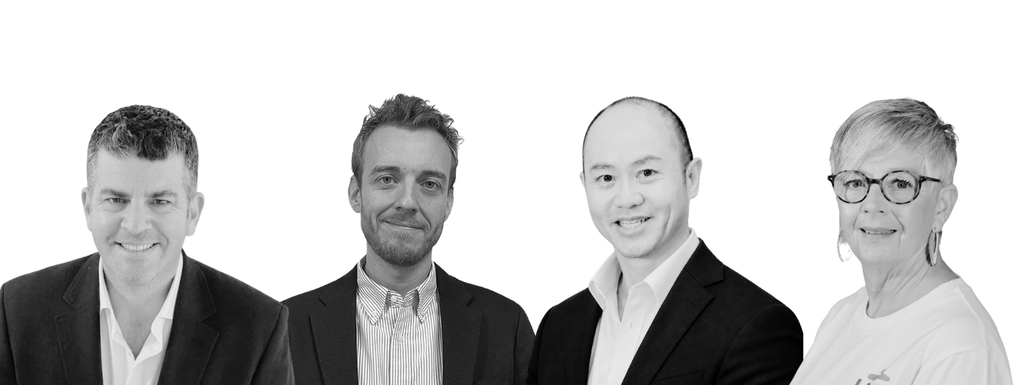
With insights from:
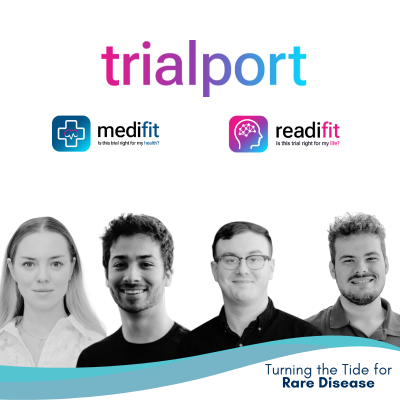
Keith Berelowitz, founder and CEO of trialport
Joe Acres, partnership director at Scientific Education Support
Gary Ho, executive director and co-founder of Gout Support Group of America
Jacquie Loughrey, education and prevention officer at Hive Cancer Support Group
Clinical trial recruitment can be a lengthy and costly process when participants don’t fully understand what is involved in a trial and, most importantly, what is expected of them. Just addressing medical eligibility can contribute to higher dropout rates and screen failures further down the line, costing unnecessary time, money and resources for clinical trial sites and industry sponsors. And for patients, they can be left feeling disillusioned and disappointed, adding to their existing anxiety and health burden.
trialport was built on a foundation of deep understanding of the barriers to clinical trial participation with the aim of helping people navigate trial protocols, rebuild trust in the process and serve multiple stakeholders in the space. Its aim is to address patient readiness early in the process by providing plain language trial summaries, cutting through some of the complex medical terminology, and by using self-reflection tools, such as readifitTM, to assess a patient’s readiness to commit to the demands of a trial.
For founder and CEO of trialport, Keith Berelowitz, making people aware of all their options is paramount and which is why trialport has over 14k active clinical trials on its site, many of which they have no commercial connection to.
“It would be unethical to do it any other way. I’m equally happy if someone chooses a study we’re not working on, if it’s the right choice for them, versus a study we’re working on where they likely would have dropped out at some point”, shares Keith.
Fostering community collaboration
For Keith and the team, community collaboration is pivotal in their organisation’s mission. They recognise the vital role communities and advocacy groups play in linking patients with clinical research. Traditional trial recruitment has focussed on the doctor-patient relationship, but as Keith says, “The clinician is important, but actually community is far more important than people previously perceived it to be and I can see it coming into practice across the board. Biotech and pharma are eager to speak to advocacy groups but there’s only so many they can speak to for one condition and they only have so much budget for each study. There has to be a better way to distribute information about ongoing research across multiple platforms, and that’s where trialport comes in.”
trialport provides charities and advocacy groups with built in hubs that can be embedded on their websites allowing the community to explore clinical trials in an environment they know and trust. As Keith notes, “If you put the platform and information where patients are, then they will engage with it”.
Jacquie Loughrey is education and prevention officer at Hive Cancer Support Group. Her organisation embedded trialport’s platform on its website in 2026 with the aim of raising awareness of clinical research and making information more accessible.
“Having the trialport site embedded in the Hive Cancer Support website gives people an opportunity to explore it through a charity they already know. Charities can help bring information closer to the communities they support, while also sharing the questions and concerns people may have.”
Keith acknowledges the pressures patient groups are under, having more and more asked of them beyond patient support. He sees the platform as a way to ease the load, providing them with the tools to support their communities in accessing clinical research. In addition, when a patient moves forward with a study pathway (where a commercial relationship with a biopharma company is in place for the study), the organisation receive a referral fee, providing much needed revenue.
A trust-deficit to be addressed

Keith highlights a long-held shortfall in trust in the clinical trial process, from all stakeholders, which is why trust is a cornerstone of trialport. He recognises and respects the importance of the relationship patient advocacy organisations have with their communities and maintains a clear community focus in his approach.
The importance of trust in clinical research is a theme echoed by Gary Ho, executive director and co-founder of Gout Support Group of America (GSGA). GSGA began working with trialport in June 2026 when it included trialport’s platform in its own Gout Clinical Trial Hub. As Gary explains, “Clinical trials can be difficult to find, and even when someone finds a study, the information isn’t always easy to understand. I know how frustrating it is to look for answers and come away with more questions. We wanted to make that experience easier for people living with gout. GSGA is the trusted starting point for our community. We help people understand their options, and trialport provides the search tools and a way to connect with study teams.”
Aligning with the values and ethics of patient organisations is important to the team at trialport. Their approach of presenting all information to patients without agenda is one mirrored by Gary. As he explains, “We’re not here to convince anyone to enrol in a trial. We want people to know what’s available and have enough information to decide for themselves.”
When considering the greatest obstacles to clinical trial participation and retention, Gary returns to the idea of trust.
“I think trust is one of the biggest barriers. There’s still a lot of stigma around gout. People are blamed for having the disease, and many have had their symptoms dismissed for years. That history doesn’t suddenly disappear when someone asks them to consider a clinical trial.”
He continues: “Many people also don’t know trials are an option. And even when they’re interested, there’s the practical side. Can they get to the study site? Can they take time off work? What happens when a gout flare makes it difficult to walk, let alone travel to an appointment? That’s why I believe the support can’t stop once someone signs up. Getting a patient interested is one thing. Helping them understand the experience and stay engaged is another.”
Jacquie adds to this: “From our perspective as a cancer support charity, it is important to recognise how much people may already be managing alongside their diagnosis and treatment. There are also practical considerations: travel, costs, time away from work, caring responsibilities and the number of appointments involved. Once someone has joined a trial, changes in their health, fatigue or in their personal circumstances could make continuing more difficult. Someone can be interested in taking part but still feel that it is more than they can manage at that point in their life.”
Looking beyond medical eligibility
Joe Acres is partnership director at Scientific Education Support (SES). SES Hubs and patient programmes empower patients, caregivers and healthcare professionals with education that improves awareness, understanding, treatment journeys and health outcomes. Joe has partnered with trialport across a number of their disease-specific education platforms and believes medical eligibility is just one part of the equation and is aligned with trialport in believing readiness must also be addressed. As he explains, “A patient may meet all the clinical criteria for a trial, but if the practical demands do not fit their circumstances, participation can become difficult to sustain.
“Helping patients understand the commitment involved and consider how a study fits into their daily lives enables more informed decision-making from the outset. This benefits both patients and researchers by improving the likelihood that participants can remain engaged throughout the study, ultimately supporting more efficient and successful clinical research.”
For Gary, his own personal experience informs his view of clinical research. “When I was in my trial, I spent hours in an infusion chair every other week. I know firsthand that a study can be a big commitment, even when you believe in what you’re doing.
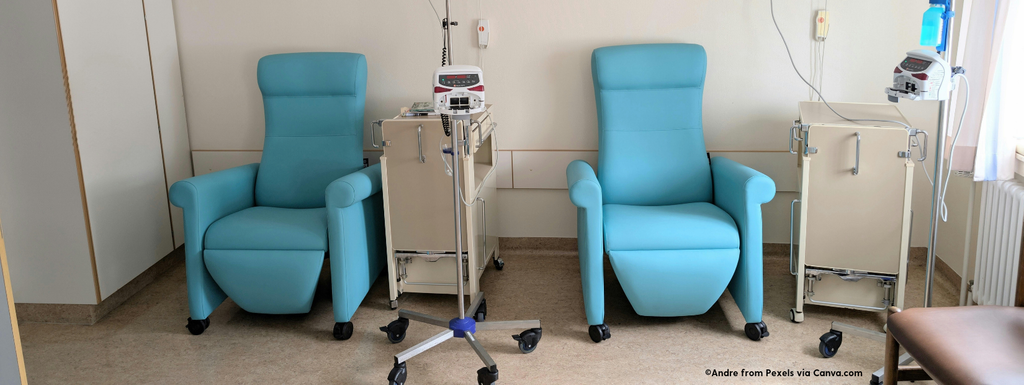
We also have to be careful that ‘patient readiness’ doesn’t become another reason to exclude people. Sometimes the issue isn’t motivation. It’s whether they have transportation, enough information, or the support they need to follow through. Before we decide someone isn’t a good fit, we should be asking what would make participation possible. To me, that’s what patient-centered research should look like.”
Nurturing partnerships
Bringing over 25 years of clinical research experience to trialport, Keith recognises that the way forward is not to continue working in a siloed manner but to nurture relationships and collaborations with all stakeholders and is a thread that is weaved throughout his work.
As Gary comments, “What I’ve appreciated about Keith and his team is that they’ve listened. I think that’s why working with patient organisations matters. trialport understands clinical research and has the technology. GSGA understands the gout community because we live with this disease ourselves. We know why people hesitate and what questions they’re likely to have. Both sides bring something important. For me, it always comes back to trust. GSGA’s job is to look out for patients, not to push them into studies. If someone finds an opportunity that’s right for them, that’s great. If they decide it’s not right for them, that’s their choice too.”
For Joe, trialport nurtures and builds the link between patients and research that historically relied heavily on clinician intervention.
“trialport helps bridge the gap between patients who may be interested in research and the studies that could be suitable for them. Its engagement with charities and patient organisations is particularly valuable because these groups have a deep understanding of the needs, concerns and priorities of the communities they serve. By working closely with them, trialport can help ensure that information about clinical trials is more visible, accessible and relevant to patients who may benefit from taking part.”

If you would like to learn more about clinical trials, you can access the platform and self-reflection tools at https://go.trialport.com/r/U3BiGtYP8m