From camps to a broader mission: the next chapter for Childhood Tumour Trust
As a charity that began with a camp to connect people with neurofibromatosis type 1 (NF1), Childhood Tumour Trust (CTT) has surpassed its initial goal, becoming a lifeline for families and advocating nationally and internationally for improved support and care. Kirsten Samuel, chair of CTT, reflects on the achievements of the last ten years and outlines the charity’s mission for the decade ahead
Written by Emma Bishop, RARE Revolution
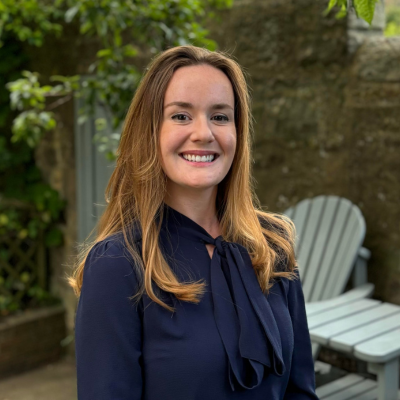
Interview with Kirsten Samuel, chair, Childhood Tumour Trust

Kirsten Samuel’s son, Samuel, now eight, was diagnosed with neurofibromatosis type 1 (NF1) when he was three. Like many families receiving a rare diagnosis, Kirsten explains her feelings of uncertainty and isolation. “At the time of diagnosis, we had never heard of NF1 and didn’t know anyone else who had it. Suddenly you’re faced with this lifelong and highly unpredictable condition and you’re trying to get your head around what it all means. I think the hardest part is the uncertainty. With NF1, you never quite know what the future might hold.”
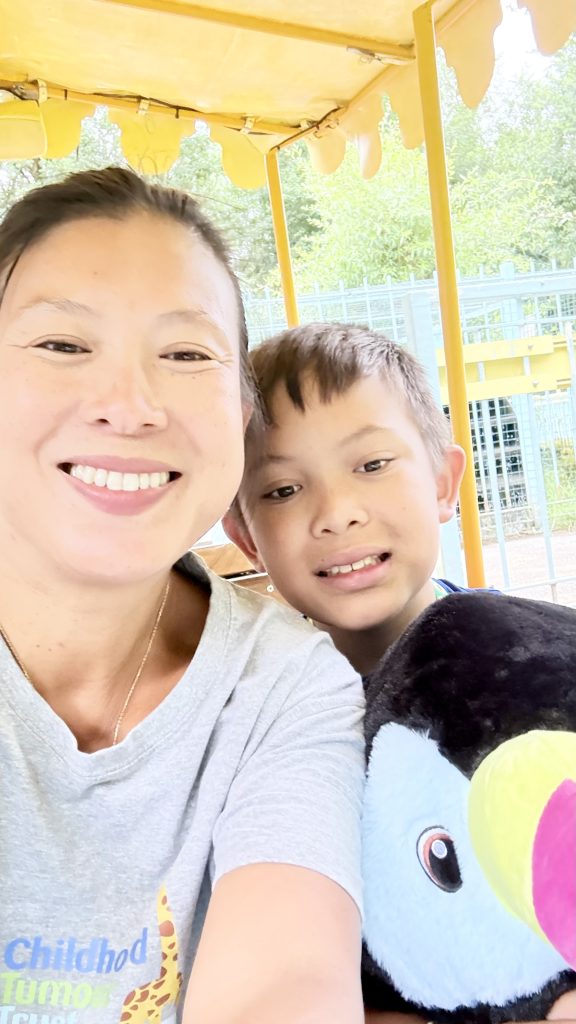
For Kirsten and her family, finding Childhood Tumour Trust (CTT) was a turning point, giving them access to support, information and a community that understood. “CTT became a total lifeline. We suddenly had information we could trust, access to people who understood and the reassurance that we weren’t navigating this on our own.” Kirsten became increasingly involved with the charity, first as a trustee. Now chair of CTT, Kirsten describes it as a real privilege to work alongside Vanessa Martin, founder and CEO, and the wider team to build on everything the charity has achieved and shape its next chapter.
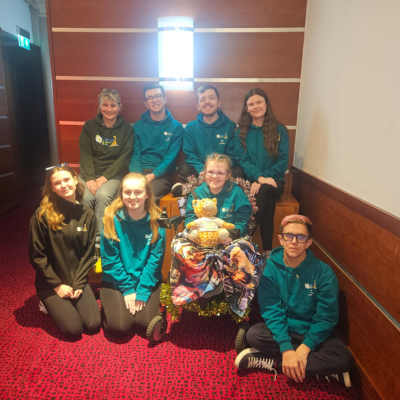
Looking back over the last 10 years of CTT, Kirsten has seen a shift in the wider mission of the charity. As she explains, CTT was originally founded to bring children and families affected by NF1 together, creating opportunities to connect through camps and other events. And while this patient centric ethos is still firmly at the heart of the organisation, the goals and reach of the charity have grown considerably to encompass research, education and improved standards of care.
“One of the big shifts I’ve seen has been the growth in research and increasing recognition that NF1 is more than just a tumour condition. We’re seeing a lot more research, more collaboration and more interest from different disciplines in different countries. What CTT brings is lived experience—bringing those families and those conversations into the research, the education, the pathways of care and the awareness.”
And while Kirsten acknowledges that more research and recognition is needed, she is encouraged by the progress that has been made and the direction of travel.

Looking ahead to the next decade of CTT, Kirsten sees real impetus in building upon the charity’s strong foundations of community, advocacy and awareness. “It feels like all these different cogs that have been turning for some time are now starting to come together to build real momentum, which is incredibly exciting.”
For a charity steeped in patient-centric support, the challenge, Kirsten notes, is how to scale the organisation without losing “the personal connection that makes it so special and unique”. From the early days, CTT has built a supportive online community which Kirsten describes as non-judgmental and compassionate—a safe space where people can ask questions and offer advice, while recognising that everyone’s experiences are different. For communities that are geographically dispersed or for those who are unable to travel due to health reasons, caring responsibilities or finances, the online community is especially important.
In order to grow community support, CTT launched its regional volunteer programme at the start of 2026, helping families connect with others affected by NF1 in their local area. The regional volunteer leads might bring people together for a coffee morning, a local event or a day out, meaning that families can access support in-between the bigger national events, such as the annual CTT camps, or family days at Chessington and Alton Towers. It also creates opportunities for families to build genuine local relationships, whether that’s parent to parent or child to child. As Kirsten explains,
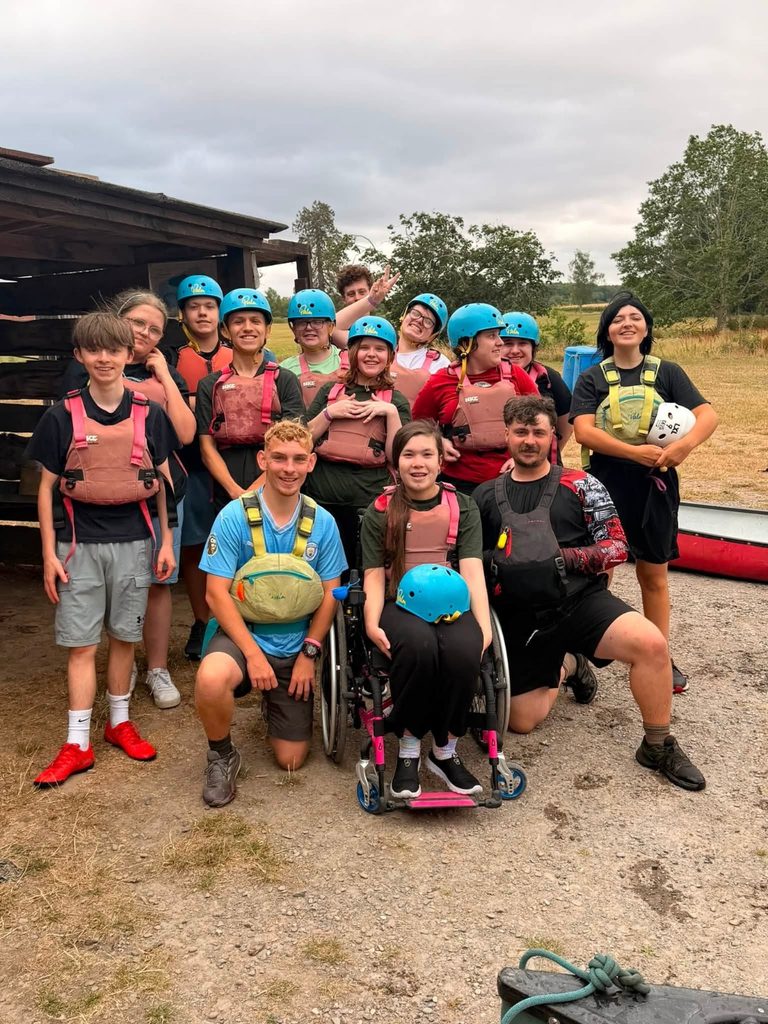
“For us, it’s about creating more spaces where no explanation is needed, where people can connect with others who understand, wherever they live and whatever stage of their NF1 journey they’re navigating.”
Kirsten explains that the vision is to have CTT Regional Volunteer Groups across the UK, so families feel supported and have a local community they can connect with. “It gives us a way to grow the charity while keeping that sense of personal connection, creating support that feels local, safe and meaningful.”
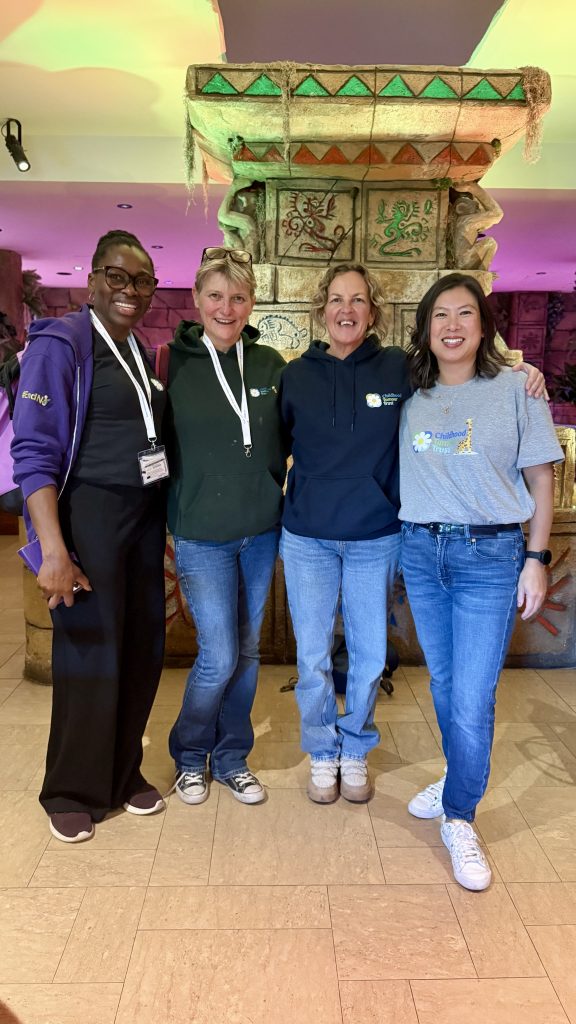
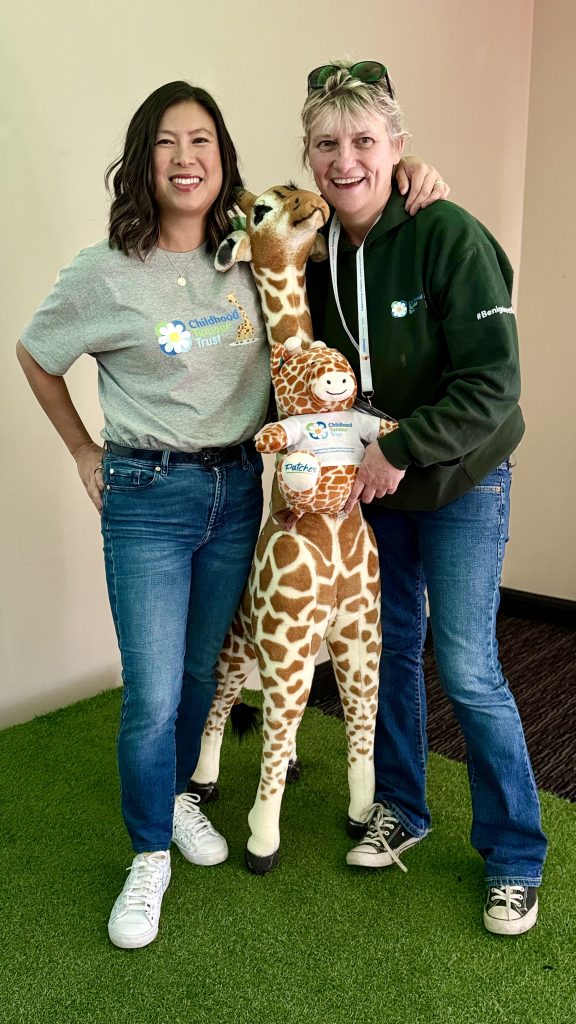
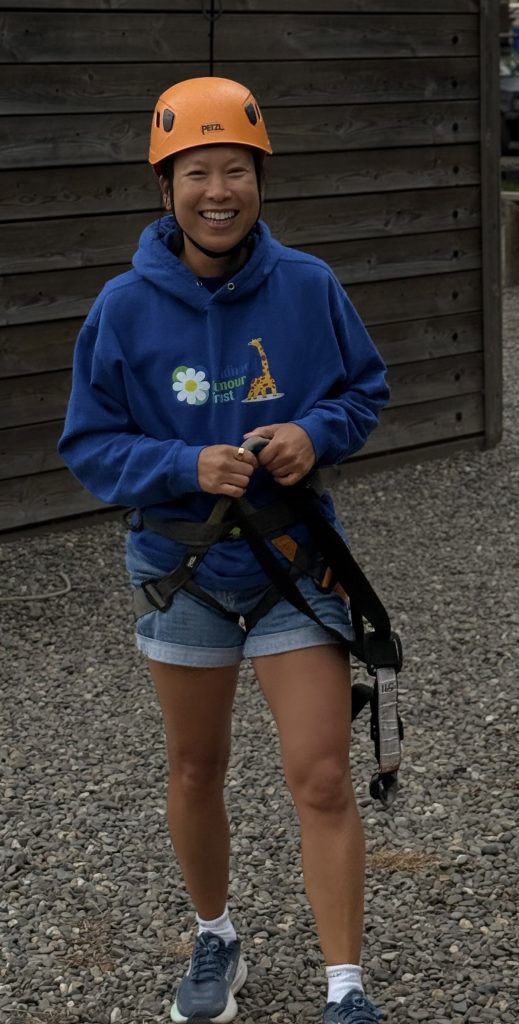
With the programme led by a trustee, insights from regional volunteer leads are fed directly back into the charity, helping ensure community needs inform strategic decisions. “We have developed our support by listening to our community and adapting as those needs change. It’s not about expansion for expansion’s sake or deciding centrally what we think families need; it’s very much about listening, responding thoughtfully, and making sure our growth is sustainable. Widening access to those opportunities and those moments of belonging is definitely part of our future.”

Diagnosis, awareness and clear pathways of care are priorities the team have worked hard to improve over the last 10 years, and continue to be a focus for the next 10. As Kirsten explains, “NF1 has to become easier to recognise and harder to overlook. That means health visitors, GPs, paediatricians and other frontline professionals need more practical tools to help them recognise the signs, such as the café-au-lait macules.” In 2018, CTT launched a body map insert for the Personal Child Health Record (also known as the Red Book) given to all children at birth in the UK. It allows for the documentation and surveillance of birthmarks and is something Kirsten believes can alert HCPs earlier to possible signs of NF1. “Our next step is making sure this knowledge becomes embedded in everyday systems, rather than relying on individual healthcare professionals to find it, including through GP red flag systems.”
Kirsten explains that there is currently no consistent registration or coding of people with NF1 in the UK, therefore making it hard to know just how many people are affected, where they are and what support is needed.
“Better identification for us really matters because how can we provide effective support, how can GPs provide effective surveillance and how can we have a clear picture of who needs help if they’re not properly logged, registered and coded correctly from the outset?”
The charity will also continue to push for standardised national guidelines and care pathways, especially NICE level guidance, to ensure families and medical professionals know what monitoring should be happening, when and by whom, and when people should be referred. The goal is a move away from families having to educate each professional they meet about NF1. Having standardised guidelines and pathways will also help to address fragmented services and regional variations so that access to appropriate care isn’t dependent upon geography or how knowledgeable families are.
Another growing area of focus is the psychological and social impact of visible manifestations of NF1. CTT is working to build stronger links with dermatologists, raise awareness of the impact beyond the purely “cosmetic”, and support greater representation and acceptance for people living with visible NF1. The charity is also working to improve access to emerging research and relevant clinical trials in the UK.
Women with NF1 have an increased risk of breast cancer. CTT funded PhD student, Caitriona Plunkett, from Manchester Metropolitan University, to research the feasibility of a breast cancer awareness intervention for young women with NF1 and her research was published in 2024. CTT also helped to establish the NF1 Breast Cancer Awareness Day on 17th October. While the NHS currently advises screening for women with NF1 to begin at 40, which is younger than population screening of 50-70, the team heard from the community that this wasn’t always the case and in 2024 launched a campaign to help inform women of the increased risks and their eligibility for earlier screening. For the charity, this is not a one-off piece of awareness work but an ongoing priority. With European ERN GENTURIS guidelines recommending breast screening for women with NF1 to start at 30, the team would like to build on the current momentum and advocate for earlier screening in the UK, in line with other countries.
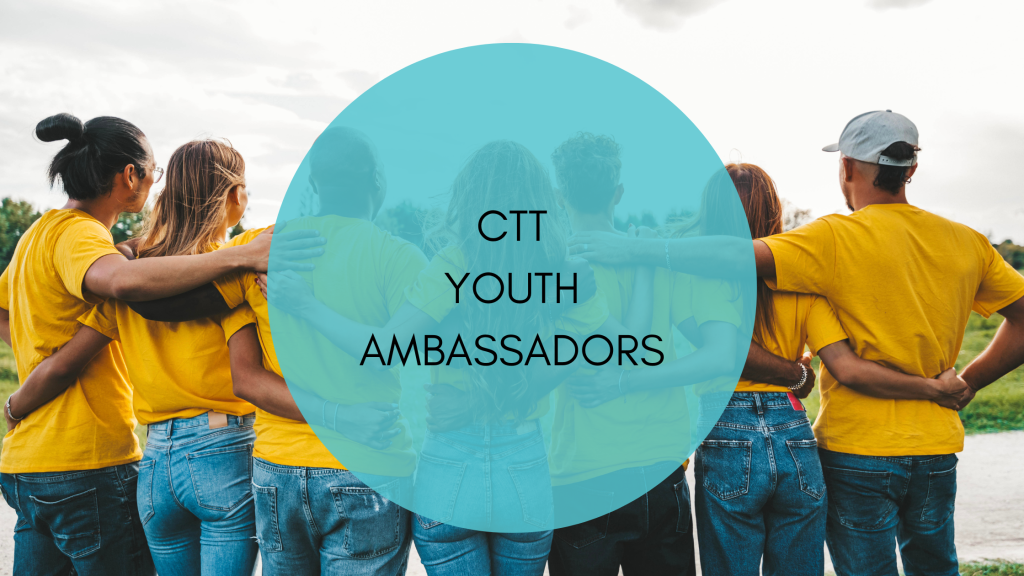
For CTT the youth voice is pivotal to driving change and to the future strategy of the charity. As Kirsten explains, “It’s not just about creating more support for young people, it’s about getting them involved and helping to co-create what the next ten years look like.”
The CTT Youth Ambassadors play an important role in shaping the priorities of the charity and in January 2026, took part in a two-day workshop, hosted by RARE Revolution, to explore the challenges around transition—looking at the move from paediatric to adult health services, education and employment, and lifestyle and the future. What began as a project to create an information booklet has evolved into a transition journal that young people can use through the different phases of their lives, offering reliable information, resources and signposting, covering areas such as health, family planning, emotions, relationships and education.
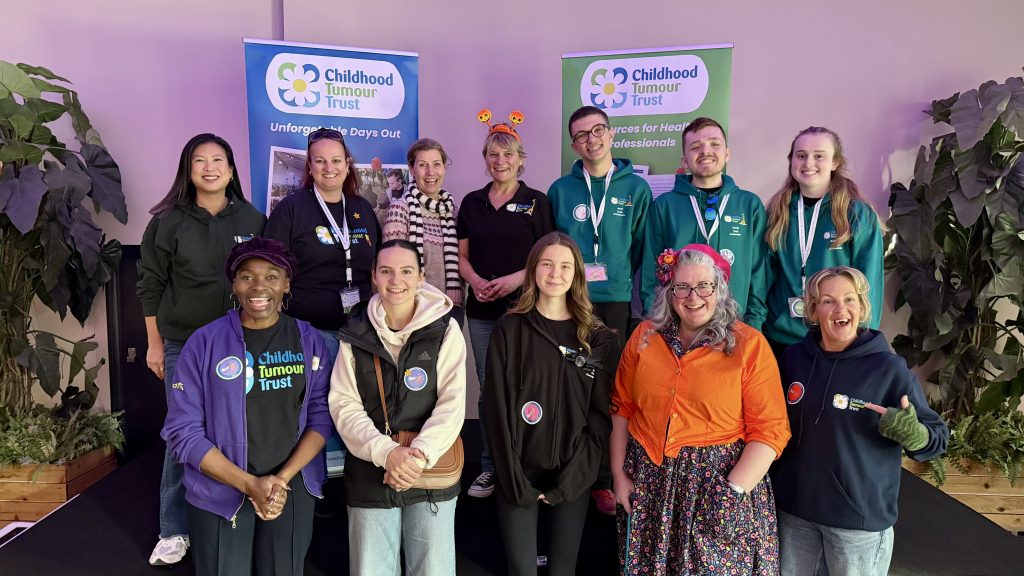
The second part of the project is a digital heath record to document appointments, symptoms, test results and accessibility needs that can be shared with health professionals, schools and colleges. “What’s so powerful is that their lived experience is now directly informing practical resources,” notes Kirsten.
“It’s great that we’re thinking ahead about how we support these young people as they move through different stages of life, and I’m really pleased this has been such an important focus for us this year.”
To strengthen the youth voice within CTT’s governance, Rebecca Hargreaves, Youth Coordinator, became a trustee in July 2026, reflecting the importance CTT places on listening to young people and ensuring their perspectives are heard as the charity evolves.
CTT has ensured that educational support is a key pillar of its mission and provides useful resources and guidance to families and educational professionals. Two students from Manchester Metropolitan University are currently working with the charity to produce new educational resources focused on secondary schools, colleges and universities. As Kirsten suggests, “Support can’t just end when a child leaves primary school. As they move into adolescence, it can bring greater academic demands, more social pressure, more increased self-awareness and independent advocacy, so that is really key. Wouldn’t it be great to have a world where teachers, SENCOs, school nurses and educational professionals all understand NF1 not just as a medical but also a neurodevelopmental condition?”

From a desire to connect people living with NF1 to advocating on international stages for improved care pathways and health outcomes, CTT has certainly exceeded its early mission…and the work does not stop.
“For the next decade, we have to make sure it’s not down to individual families to search for information, fight to be heard or repeatedly explain NF1 just to access the right care and support. That’s really key as we look ahead to the next 10 years,” shares Kirsten.
By continuing to listen to young people and involve them in how the charity evolves, CTT is helping to shape a future that reflects their experiences and needs, while ensuring their voices remain an important part of the wider community conversation.
“Empowerment is so much bigger than just healthcare. It’s young people having hope and ambitions for their education, their work, their friendships, their relationships and their independence, rather than feeling they have to reduce those ambitions because of NF1. CTT can help give young people the knowledge, confidence and tools to advocate for themselves. You hear the word resilience mentioned a lot, but it shouldn’t be about teaching young people to become more resilient within a system that can sometimes fall short. It’s about creating a more informed and responsive system around them.”
This article has been supported by funding from
Springworks Therapeutics and Alexion, AstraZeneca Rare Disease. The sponsors have had no editorial control or influence over the copy and the opinions are those of the contributors alone.