More than tumours: addressing the complex manifestations of NF1
As a condition predominantly seen as a “tumour condition” some of the lesser recognised symptoms and complications of neurofibromatosis type 1 (NF1) are often missed and not adequately addressed. GP and NF1 parent, Dr Sheelagh Harwell, explores some of these manifestations, from missed malignancy risks and unmanaged hypertension to psychological strain. She advocates for registries, national standardised guidelines and clear care pathways to ensure fair, joined-up care is delivered
Written by Emma Bishop, RARE Revolution
Interview with Dr Sheelagh Harwell, general practitioner and NF1 advocate

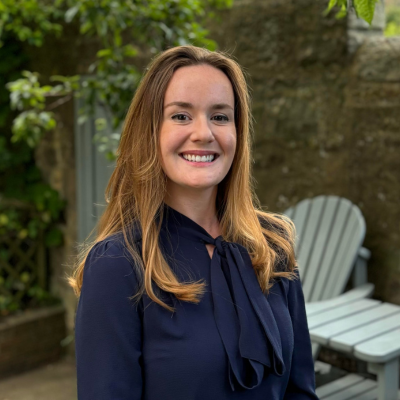
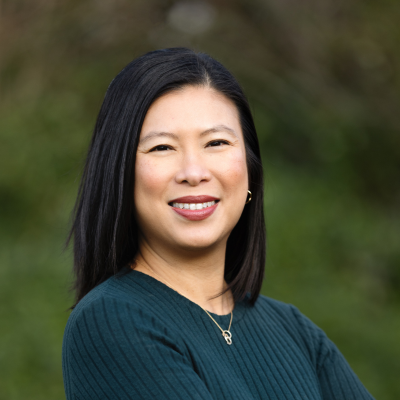
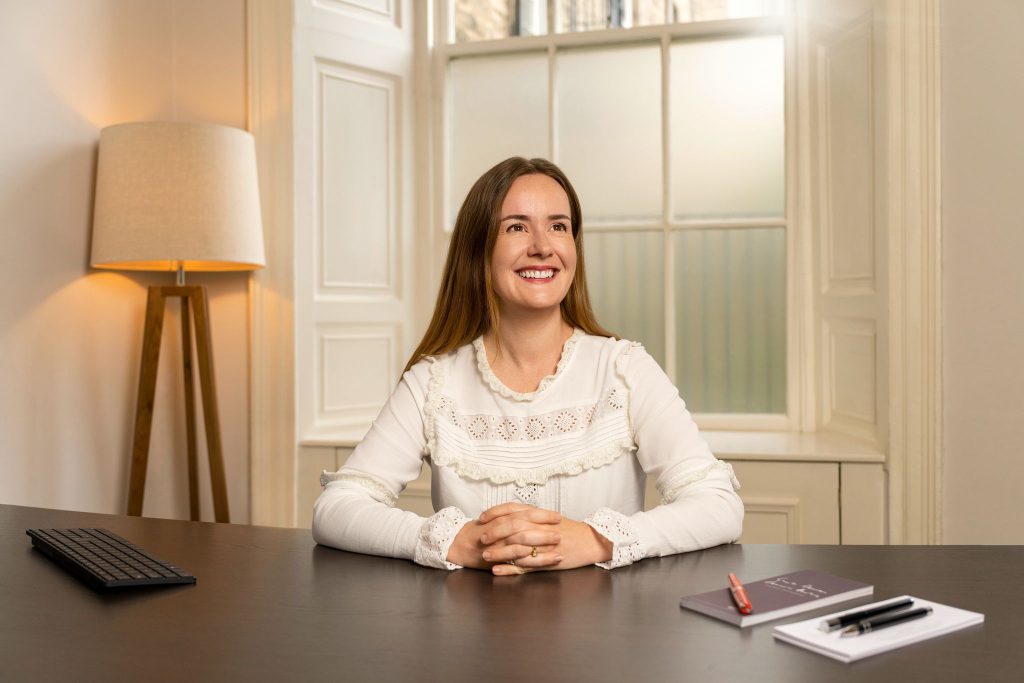
Dr Sheelagh Harwell is a general practitioner (GP), working in Edinburgh, both for the NHS and in private practice. Two years ago, Sheelagh’s son, now four years old, was diagnosed with neurofibromatosis type 1 (NF1). As a doctor, Sheelagh felt confident of the diagnosis but had to wait a year for confirmation, and strongly advocate for testing and referrals, which she describes as difficult. “Diagnosis took a long time and there were hurdles at every appointment. I walked through the door of genetics one year after I first went to my GP, and so that whole year I knew that my son needed screening and he needed his eyes tested and that, for me, was the hardest bit,” shares Sheelagh.
Sheelagh’s son’s diagnosis highlighted inequities in care across the UK, which was supported by the Alone on our NF1 island paper, published by the ‘BMJ Open Quality’. Motivated to work on improving pathways, awareness and resources for NF1, in May 2026, Sheelagh joined the NHS Clinical Entrepreneur Programme, researching and developing NF1-focused initiatives to support people with this rare condition.
Sheelagh is in a unique position as both a medical professional and parent to a child with NF1. While she encountered frustration as a mother pursuing a diagnosis for her son, she also acknowledges the challenges primary care health professionals face. As she expands,
“I came to realise as a GP myself, and with lots of friends who are GPs, that the knowledge of rare diseases is very low. Now I can see it from both sides, as a mum and a GP. There are about 10,000 rare diseases and as a GP, you have a 10-minute appointment with a patient. Today, there are a lot more complex drugs and complex diagnoses. General practice is a complex job.”
To begin to address the care inequities, Sheelagh surveyed all the GPs in Scotland and received a response from 10% (321 GPs), covering all health boards. The results showed that respondents were engaged and interested but that their knowledge of NF1 was limited. When asked what resource they would use in a consultation with a patient with NF1, a quarter of GPs said they would refer to NICE guidelines, of which there currently aren’t any.1 Only five GPs could name relevant NF1 charities showing a low awareness of patient support groups.
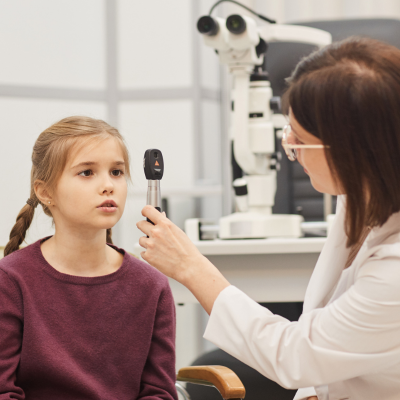
While Sheelagh says it’s easy to conclude that more healthcare professional (HCP) education is needed, with the sheer number of rare diseases, this may not always be straightforward, and is only a part of the solution. What she would like to see is more easily accessible resources, such as those highlighted by Dr Will Evans for rare diseases2, giving GPs the “main headlines”, alongside standardised national guidelines to aid GPs in the care of patients and in the referrals process. As she explains: “For NF1, the main headlines are to have annual blood pressure tests and annual eye tests. And if the patient has high blood pressure or problems with their eyes then we need to do more digging. This is where a standardised care pathway is essential, so that patients with complications can be referred appropriately and safely to specialists”.
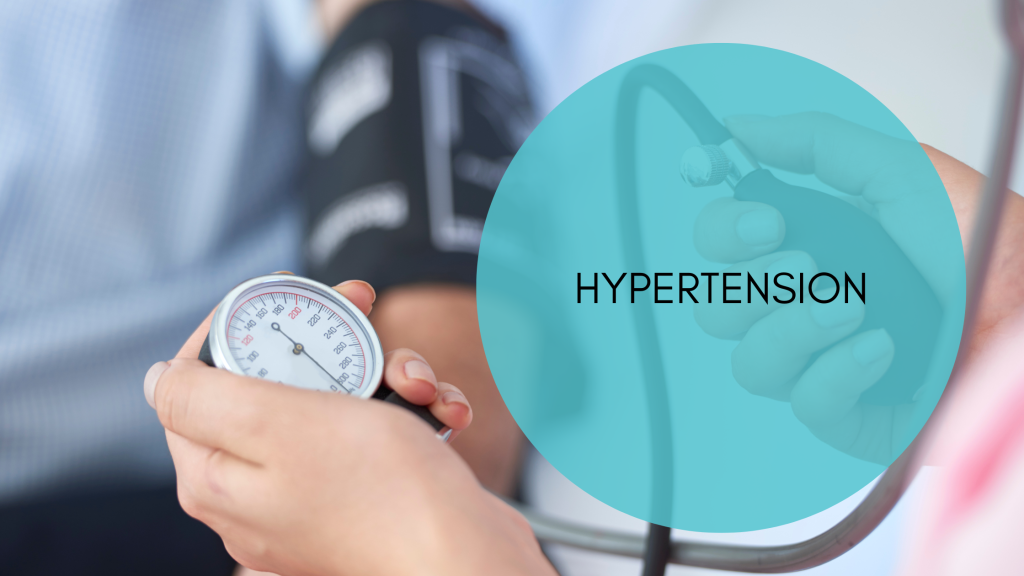
Hypertension (high blood pressure) in the general population is common and usually related to age, lifestyle and family history. It’s something GPs will routinely see in their practice and there is a clear and precise care pathway, along with NICE guidelines, to follow.
As Sheelagh points out, monitoring hypertension in people with NF1 is especially important due to a much higher risk of secondary causes, such as renal artery stenosis or phaeochromocytoma. NF1 causes a predisposition to vascular malformations, be it in the brain or elsewhere in the body, and hypertension may be a sign of an underlying vascular issue that needs specialist input. “If a patient has a secondary cause of hypertension, that falls into a much rarer category, but with NF1 you do want to be thinking about rare things,” outlines Sheelagh. Without awareness of NF1’s link to secondary hypertension, GPs are likely to treat NF1 patients as standard hypertension cases, risking delayed diagnosis of more serious underlying causes.
Sheelagh says regular monitoring is in place for patients in paediatrics, or in one of the two specially commissioned national NF1 centres in the UK, but once patients reach 18, she is less certain that regular surveillance is undertaken and is something she is keen to investigate.
She also notes that it’s particularly important for NF1 patients with learning difficulties to have regular blood pressure and general health checks, as they are “less likely to be able to self-advocate”. Annual NHS recalls are set for patients with learning disabilities but, as Sheelagh points out, “Because NF1 doesn’t fall under the learning disability remit”, an annual recall won’t be in place, and will fall to the patient or carer to advocate.
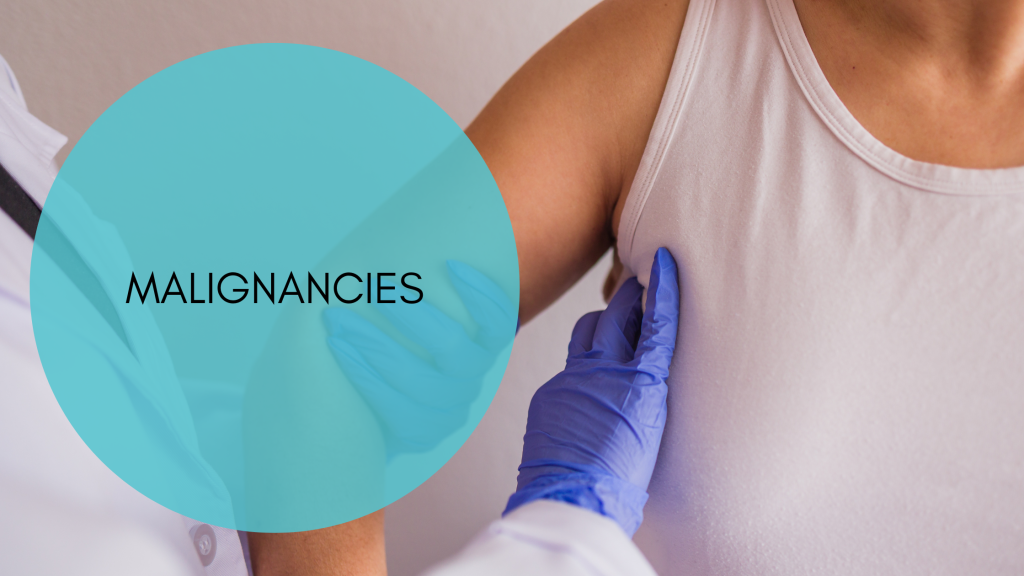
People with NF1 are at a greater risk of malignancies, such as optic gliomas, breast cancer, sarcomatous change of a neurofibroma and MPNST (malignant peripheral nerve sheath tumour). But, as with hypertension, unless an HCP knows the increased risks, then care may not be adequate for those with NF1. As Sheelagh explains: “If someone goes to their GP with concerns that they need to be screened more, if, for example, they have the BRCA breast cancer gene, or a family member has Lynch syndrome, then GPs in the UK can refer the patient to genetics. Now that only works if the person referring knows what the risks are.” From Sheelagh’s GP survey, only 1.6% of GPs knew the age at which the NHS recommends women with NF1 to begin screening for breast cancer, which is between 40 and 50, rather than population screening age of 50-70.
Sheelagh notes that even if patients are on the “moderate risk” list it is not automated and she knows from community insights that women with NF1 are not being called for routine breast screening at 40. “There’s no surveillance that is automated, it is very ad hoc. It depends on the GP and their knowledge, or if you have a patient, carer or family member who is good at advocating.”
For cutaneous and plexiform neurofibromas, Sheelagh says that any new pain, sudden growth or loss of function are red flags that should prompt an urgent referral. And while these signs don’t necessarily point to malignancy, they should be looked at by a specialist. But, as Sheelagh points out, again services vary significantly throughout the UK and without standard guidelines, patients are relying solely on GPs who may have an interest in NF1 or knowledge of the increased risks, which she knows from her survey is low. A ‘wait and see’ approach for a condition that is predisposed to tumours can put patients at greater risk.
“It can’t just be down to one person who may have an interest in NF1, it has to be a network. It has to be embedded into the NHS.”

Sheelagh describes her ongoing anxiety about her son’s future: fears around health, appearance, education and the risk of becoming unwell. The uncertainty, not knowing how NF1 will manifest, is a significant psychological burden, one that she experiences and sees in others living with the condition. “There are a lot of different manifestations, so it’s difficult to predict what’s going to happen and that alone is really hard, because you are just uncertain the whole time,” shares Sheelagh.
The period around the time of diagnosis can be highly overwhelming for families, as they navigate new terms, uncertainties and a search for trusted information. “Google is not your friend”, says Sheelagh, “because it just shows really severe cases to highlight some of the manifestations. But that’s not necessarily helpful if you’ve just been diagnosed.”
While she initially withdrew slightly from the community while she “found her feet”, over time Sheelagh has increasingly leaned into the support from others which she has found beneficial for coping with the emotional and psychological effects of living with NF1. She cites podcasts, and resources offered by charities, such as Childhood Tumour Trust, as especially helpful, along with counselling services provided by organisations like Rare Minds.
For Sheelagh, connecting with other parents and clinicians and seeing the work that is going on around the world has given her a stronger sense of solidarity.
“I went down a big rabbit hole of research, but actually reaching out to the community was the thing that helped. I still research and try and learn as much as I can, but it’s knowing that other people are doing the same that helps.”
While she believes more research is needed into the mental and emotional toll of NF1 she is encouraged by the efforts of the community. “I think there are so many inspiring stories out there, so leaning into that has really helped me. I think there’s a lot of hope for the future.”
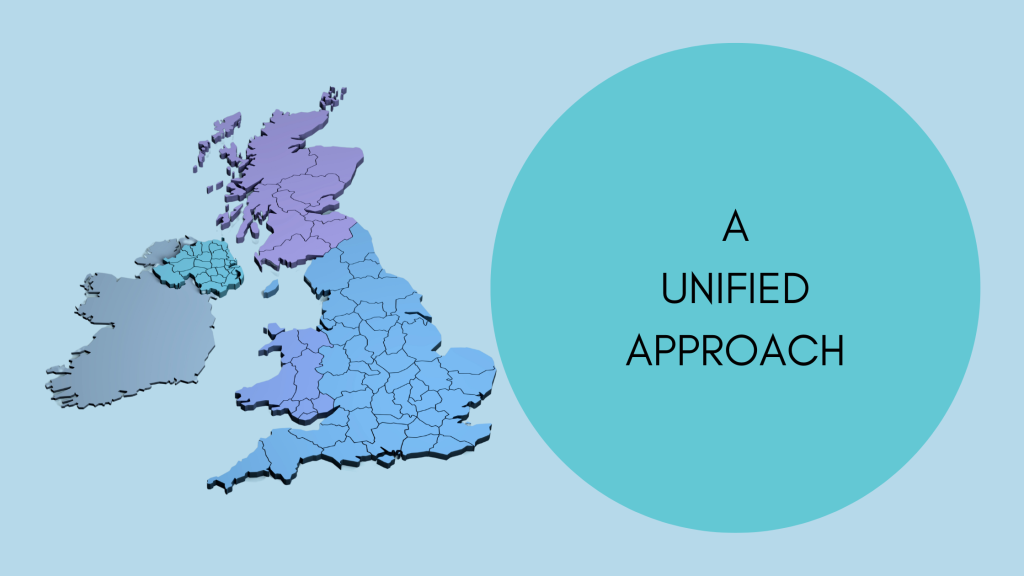
To provide better care for people with NF1 Sheelagh would like to see a UK registry set up—something she describes as “basic”, but fundamental to improving services. She says there are no accurate numbers for how many people with NF1 there are in Edinburgh, Scotland’s capital, for example, let alone in the rest of the country, especially the more remote rural areas. Current figures are rough estimates. Without knowing who and where people with NF1 are, it’s impossible to allocate resources, make sure people are not anonymous and invisible to services and offer research and trial opportunities. “I want to know how people with NF1 in the UK are doing, are they being accounted for? What’s the easiest way to do that? We start with a list.”
For Sheelagh, it will take a unified approach to improving care for people with NF1. As she concludes, “it’s not enough to tell the GPs what to do without a care pathway to pick patients up once they are referred. And there’s no point in having excellent research and new drugs if you don’t have the basics in place, like a registry, to know where people are.” Her call to action is clear: record patients, improve HCP awareness and standardise guidelines so that equitable, everyday care keeps pace with scientific progress.
References
[1] https://www.childhoodtumourtrust.org.uk/information-for-health-care-professionals/
[2] https://pmc.ncbi.nlm.nih.gov/articles/PMC7295869/
This article has been supported by funding from
Springworks Therapeutics and Alexion, AstraZeneca Rare Disease. The sponsors have had no editorial control or influence over the copy and the opinions are those of the contributors alone.